shingles plant Care (Monstera dubia)

About shingles plant

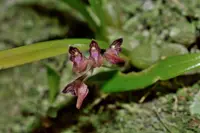
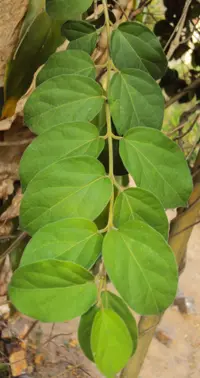
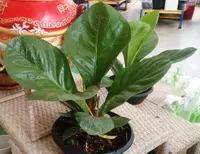
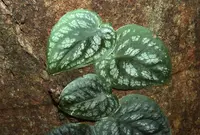
Monstera dubia is a climbing aroid known for its shingling growth habit, with juvenile leaves that press flat against a support. The leaves are small, heart-shaped, and often show silver mottling between dark green veins, creating a patterned look.

In its natural habitat, M. dubia occurs in tropical forests of Central and South America, where it creeps up tree trunks in warm, humid shade. It is considered moderately easy to grow when given a vertical surface, stable warmth, and consistent moisture in a well-drained mix. Understanding how to care for Monstera dubia mainly involves providing support, filtered light, and steady humidity.

Main Plant Requirements

Care Difficulty

Moderate Care

Light Preference

Bright Indirect Light

Water Requirements

Moderate Water

Temperature Preference

Tropical / Frost Sensitive

Hardiness Zone

11–12

Soil Texture

Loamy, Organic-rich

Soil pH

Acidic (5.5–6.5), Slightly acidic (6.5–7.0)

Soil Drainage

Moist but well-drained

Fertilization

Light (every 4–6 weeks)

Get Personalized Care Plan

Scan your plant to receive care tips personalized for your specific plant

Personalized Care in the App

Available on iOS and Android

How to Care for the shingles plant

This species prefers bright, filtered light that mimics the dappled shade of a forest understory.

  • Provide 6–8 hours of bright, indirect light each day, such as near an east or north-facing window or under light shade outdoors.
  • Protect leaves from strong midday and afternoon sun; morning sun is usually tolerated if filtered through a sheer curtain or light canopy.
  • In low light, Monstera dubia may produce smaller, less fenestrated leaves; in winter, move it slightly closer to the light source without exposing it to direct sunburn.

Watering should keep the root zone evenly moist but never saturated.

  • Allow the top 2–4 cm of soil to dry before watering again, using a finger test rather than a fixed schedule to guide timing.
  • Use a loose, fast-draining mix; after watering, excess should exit quickly, and the soil should feel damp but not soggy within 15–20 minutes.
  • In warm, active growth periods, expect more frequent watering; in cooler months, reduce frequency and watch for overwatering signs such as yellowing, soft leaves or a sour soil smell.

Stable, warm conditions support steady growth and help prevent stress-related leaf damage.

  • Aim for 65–80Β°F (18–27Β°C) for best growth, with only small daily swings to avoid stress on the foliage and roots.
  • Keep the plant above 55Β°F (13Β°C); exposure near or below this range can slow growth, while any frost can cause severe leaf and stem damage.
  • Short periods up to 86Β°F (30Β°C) are usually tolerated if humidity is moderate and the plant is shaded, but prolonged heat with dry air increases leaf scorch and wilting risk.

This species benefits from consistently moderate to high humidity for best leaf development.

  • Aim for 60–80% humidity to support healthy shingling growth and reduce leaf edge browning.
  • It tolerates brief dips to 40–50%, but prolonged dry air causes curled, crispy tips and slower growth.
  • Increase humidity with a room humidifier, grouped plants, or a pebble tray, rather than frequent misting.

Monstera dubia prefers a loose, airy, organic-rich mix that drains quickly yet holds some moisture.

  • Use aroid-style mix: roughly 40% peat or coco coir, 30% fine bark, 20% perlite, and 10% compost for nutrients.
  • Ensure the mix feels chunky rather than dense so roots receive oxygen and excess water drains within a few minutes.
  • Keep pH slightly acidic to neutral, around 6.0–7.0, avoiding strongly alkaline substrates that can lock up nutrients.
  • Avoid heavy garden soil or mixes with a high clay content, which promote waterlogging, root rot, and compaction over time.

This species grows well in containers when given stable support and controlled moisture.

  • Choose a pot heavy enough or wide-based to prevent tipping as the plant climbs a board or moss pole.
  • Select slightly snug containers so the root zone dries evenly, reducing the risk of persistent sogginess at the bottom.
  • Use breathable materials like terracotta if overwatering is a concern, as they allow faster evaporation from the root zone.

Nutrient inputs support steady growth but Monstera dubia is sensitive to overfeeding.

  • Use a balanced liquid fertilizer, such as 10-10-10 or 20-20-20, diluted to 25–50% strength for container plants.
  • Feed every 4–6 weeks in spring and summer when growth is active, skipping applications if soil stays very rich.
  • Pause feeding in fall and winter, or apply at most once at very weak strength if growth continues indoors.
  • Slow-release granules or a thin layer of mature compost can replace frequent liquid feeds when used sparingly.

Pruning helps manage size and keep Monstera dubia vines healthy and well-shaped.

  • Time most pruning for late winter to early spring, just before vigorous new growth begins.
  • Remove dead, yellowing, pest-damaged, or weak stems first, cutting back to healthy tissue with clean, sharp shears.
  • Thin crowded or tangled vines to improve light penetration and air flow along the climbing surface.
  • Shorten overly long runners to encourage fuller growth closer to the support rather than sparse, leggy stems.

Container-grown plants benefit from periodic repotting to support healthy root development.

  • Check for roots circling the pot, emerging from drainage holes, or unexplained slow growth as signs Monstera dubia needs more space.
  • Plan to repot every 2–3 years in late winter or early spring, stepping up only 2–5 cm in pot diameter.
  • Use a chunky, fast-draining aroid mix and keep the climbing board or moss pole stable while transferring the root ball.
  • Water thoroughly after repotting, then keep the plant slightly shaded and evenly moist for 1–2 weeks to reduce transplant stress.

New plants are most commonly produced from stem cuttings taken from mature vines.

  • Take 1–2 node cuttings in late spring or summer, each with at least one healthy leaf and visible aerial root or node.
  • Place cuttings in moist, airy mix or water, keeping temperatures near 70–80Β°F and humidity above 60% for best rooting.
  • Ensure the node is buried or submerged while leaves stay above the surface to avoid rot.
  • Provide bright, indirect light and minimal disturbance; transplant to potting mix once strong new roots and a shoot develop.

This tropical climber is not frost tolerant and must be kept warm in winter.

  • Keep Monstera dubia above 55–60Β°F; growth slows markedly below this range and tissue damage occurs near freezing.
  • Move outdoor containers indoors before night temperatures drop below 50Β°F, giving bright, indirect light.
  • Reduce watering so the top 2–3 cm of mix dries between waterings, since cool, wet soil encourages root rot.
  • Keep the plant away from cold drafts and heater blasts to avoid leaf scorch and stress.

Care Tips

Use vertical supports

Provide a stable, flat support such as a moss pole, cork board, or wooden plank and gently tie the vines every 10–15 cm so the plant can shingle and later fenestrate in a natural climbing pattern.

Encourage aerial rooting

Mist or lightly moisten the support surface where nodes touch it and keep that material slightly damp, which helps aerial roots attach firmly and improves water and nutrient uptake.

Rotate with caution

Rotate the pot no more than 1/4 turn every few weeks so new leaves track the light evenly, but keep the same face of the plant against its board or pole to avoid detaching adhesive roots.

Limit pot size jumps

When repotting, choose a container only 2–5 cm wider than the previous one to prevent soggy substrate around a small root system and to keep growth compact against its climbing surface.

Inspect leaf backs

Check the undersides of leaves and the contact points between vine and support every 1–2 weeks for scale, spider mites, or mealybugs, since early detection is key for caring for Monstera dubia in indoor conditions.

Common Pests and Diseases

Spider mites

This pest is frequent on climbing plants grown on boards or moss poles, where dry air and warm conditions allow colonies to build up on the undersides of leaves. Symptoms include fine webbing, tiny pale speckles, and a dull, dusty look to the foliage.

Solution

Rinse both sides of the leaves and the support surface thoroughly with a strong but gentle stream of lukewarm water, then wipe to remove webbing and mites. Increase humidity to 50–60%, improve air movement, and repeat washing weekly; if populations persist, use horticultural soap or neem oil, coating the undersides of leaves and any crevices along the climbing surface.

Thrips

These insects are attracted to the thin, textured leaves and tight nodes of this shingling species, where they hide in leaf edges and between the plant and its support. Symptoms include silvery scarring, black specks of frass, and distorted new growth.

Solution

Prune and discard the most damaged leaves, then shower the plant, focusing on the undersides of leaves and the narrow gap between the leaf and its mount. Follow with 2–3 rounds of insecticidal soap or neem oil at 5–7 day intervals and, if possible, isolate the plant and use blue or yellow sticky traps to monitor adults.

Mealybugs

This pest often settles in the tight spaces where stems touch the mounting board or pole, and in leaf axils along the vine. Symptoms include white cottony clusters, sticky honeydew, and slow, weakened growth.

Solution

Dab visible insects with cotton swabs dipped in isopropyl alcohol, then rinse the plant and its climbing surface to dislodge hidden insects. Repeat inspections weekly and, for larger infestations, apply horticultural oil or insecticidal soap over all stems, leaf undersides, and crevices until no new mealybugs appear.

Bacterial leaf spot

This disease can develop on closely pressed leaves where moisture lingers between the foliage and its support, especially in warm indoor setups. Symptoms include water-soaked translucent spots that may turn brown with yellow halos and sometimes a slightly sour smell on badly affected tissue.

Solution

Remove and discard all spotted leaves, cutting back into healthy tissue and disinfecting scissors between cuts. Reduce overhead misting, ensure foliage dries within a few hours by improving airflow around the board or pole, keep leaves from sitting in constant contact with wet surfaces, and avoid splashing water between plants to limit spread while following general Monstera dubia care instructions.

Edema

This physiological disorder appears when roots take up water faster than the leaves can transpire, which is common on tightly shingling plants kept in low light and high moisture. Symptoms include small corky blisters or rough, tan patches on leaves, usually on the lower or older foliage.

Solution

Allow the top 2–3 cm of the substrate to dry before watering again, and provide brighter indirect light so the plant uses water more consistently. Improve airflow, avoid sudden heavy soakings after dry periods, and ensure the pot and substrate drain freely so excess water does not remain around the roots.

Interesting Facts

Shingling growth strategy

This species naturally climbs tree trunks by pressing each leaf flat against the bark in a neat overlapping pattern known as shingling, which maximizes light capture on dark tropical tree trunks.

Dramatic leaf shape shift

Juvenile plants have small, heart-shaped leaves, but as the plant reaches brighter light higher in the canopy, mature leaves can become much larger and develop slits and holes, a process called heteroblasty, meaning different leaf forms at different life stages.

Bark-hugging root system

Its aerial roots cling tightly into bark crevices, allowing the plant to stay extremely flat against surfaces and resist being pulled off by wind or rain in its native Central and South American forests.

Botan icon

Did you know?

In the wild, this species often remains almost invisible from a distance because its flattened, closely overlapping leaves can mimic the color and texture of the host tree’s bark, giving it a form of camouflage in dense tropical understory shade.

FAQs about shingles plant

This species is a shingling climber. It adheres closely to a vertical surface, forming flat overlapping leaves. Without a suitable board, pole, or trunk, stems may trail or tangle rather than displaying their characteristic growth form.

Grow Healthy Plants with Botan Care

Keep your plants happy and healthy with plant identification, disease detection, and easy care guidance.

Botan plant care app β€” identify plants on mobile

Explore More Plants