Encourage Bushiness
Pinch back soft stem tips once they reach 8–10 cm to trigger branching and create a denser, more compact plant rather than long, sparse runners.

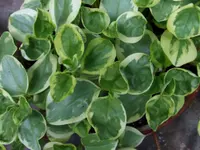
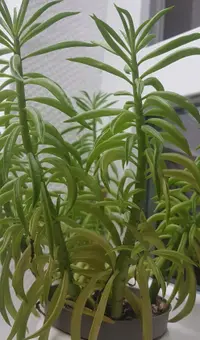
Cypress peperomia (Peperomia glabella) is a compact tropical perennial from Central and South American forests, where it often grows as a groundcover or small epiphyte on trees. It stays naturally small, making it suitable for shelves, desks, and mixed planters indoors.
The plant has thin, trailing to slightly upright stems with small, smooth, green leaves that create a soft, fresh-looking mat of foliage. Its modest root system and slow to moderate growth rate make it adaptable to containers and easier to manage than many vining houseplants.
It prefers bright, indirect light, moderate moisture, and a loose, airy potting mix. These traits, plus its general tolerance of indoor conditions, mean it is not difficult to care for Cypress Peperomia.

Care Difficulty
Easy Care

Light Preference
Bright Indirect Light

Water Requirements
Moderate Water

Temperature Preference
Tropical / Frost Sensitive

Hardiness Zone
11–12

Soil Texture
Loamy, Sandy, Organic-rich

Soil pH
Acidic (5.5–6.5), Slightly acidic (6.5–7.0)

Soil Drainage
Well-drained

Fertilization
Light (every 4–6 weeks)
Scan your plant to receive care tips personalized for your specific plant
Available on iOS and Android
Peperomia glabella prefers bright, indirect light similar to dappled shade on a forest floor.
Peperomia glabella stores some moisture in its fleshy stems and prefers slightly on the dry side.
This species prefers stable, warm conditions without sudden temperature swings.
This species stays healthy in typical home humidity but benefits from moderately moist air.
Peperomia glabella prefers a light, airy, fast-draining mix that still holds moderate, even moisture.
Peperomia glabella grows very well in containers due to its compact, shallow-rooted habit.
Peperomia glabella benefits from light, consistent feeding during active growth but reacts poorly to heavy fertilization.
Peperomia glabella responds well to light pruning that controls size and maintains a compact, tidy plant.
This plant has a compact root system and prefers slightly snug pots, so repotting is infrequent.
Peperomia glabella plant care often includes propagation, as the species responds well to stem cuttings.
This tropical species is frost-sensitive and needs mild indoor conditions through winter in most climates.

Plant Health Check
Not sure what's wrong with your plant? Check your plant's health inside the app.
This species is native to humid lowland forests from southern Mexico through Central America and into northern South America, where it grows as a small understory herb on shaded forest floors and decaying wood.
Its thin, trailing stems root readily at the nodes when they touch mossy bark, leaf litter, or loose organic material, allowing the plant to slowly form mats in its natural habitat.
The plant produces very small, dry fruits on slender flower spikes; these release dust-like seeds that are easily carried short distances by air currents within the forest understory.
Brown leaf edges usually come from underwatering, low humidity, or heat drafts. Uniform brown, mushy areas point to overwatering and root stress. Check soil moisture, improve airflow, and trim damaged leaves to prevent rot spreading.
Keep your plants happy and healthy with plant identification, disease detection, and easy care guidance.