


Sturdy pot choice
Use a wide, heavy clay or concrete container to prevent tall, top‑heavy stems from tipping, and position the plant where accidental contact with the spines is unlikely.


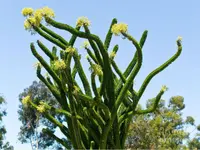
Madagascar ocotillo (Alluaudia procera) is a succulent shrub to small tree from the dry forests and spiny thickets of southern Madagascar. It has tall, upright, many-branched stems armored with sharp spines and small, oval leaves that cluster along the stems in rows.
In habitat it can form dense thickets and shed many of its leaves during dry periods, relying on its water-storing stems. This drought-tolerant growth habit makes it relatively suitable for experienced collectors but less forgiving of overwatering or poor drainage.
It prefers strong light, warm temperatures, and a fast-draining mineral soil mix. Learning how to care for Madagascar Ocotillo mainly involves controlling water and providing enough light to keep stems firm and healthy.

Care Difficulty
Moderate Care

Light Preference
Full Sun

Water Requirements
Low Water

Temperature Preference
Tropical / Frost Sensitive

Hardiness Zone
10–12

Soil Texture
Sandy, Loamy, Rocky

Soil pH
Slightly acidic (6.5–7.0), Neutral (7.0)

Soil Drainage
Well-drained

Fertilization
Minimal (feed rarely)
Scan your plant to receive care tips personalized for your specific plant
Available on iOS and Android
This species thrives in strong light that mimics its open, arid habitat. Like the Madagascar palm, it develops its strongest, most compact growth under several hours of direct sunlight, but plants moved from lower light should be acclimated gradually.
This drought-adapted succulent prefers deep but infrequent watering in fast-draining soil.
This arid-climate shrub prefers warm, stable temperatures with strong protection from frost.
Humidity is rarely a limiting factor for Alluaudia procera, which is adapted to very dry air.
Alluaudia procera needs very fast-draining, mineral-heavy soil that prevents water from lingering around the roots.
This species is suitable for container growing when the pot is chosen to manage height, weight, and drainage safely. A similar stability concern applies to the Pencil Cactus.
This drought-adapted succulent tree grows well with modest, carefully controlled feeding during its warm growing season.
Pruning Alluaudia procera is mainly done to control height and keep the framework safe and manageable.
Container-grown plants benefit from infrequent but careful repotting or transplanting to maintain a stable root system.
Alluaudia procera is most often propagated from cuttings, with seed used less frequently by home growers.
This species is highly frost-sensitive and needs specific winter care in most temperate climates.

Plant Health Check
Not sure what's wrong with your plant? Check your plant's health inside the app.
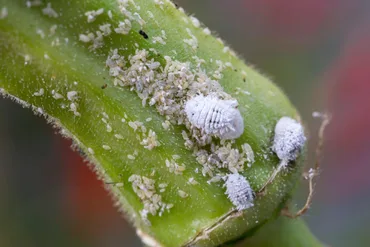
This pest often hides in stem crevices and along new growth, sucking sap and weakening the plant over time.
Symptoms include cottony white clusters and sticky honeydew on stems and spines.
Solution
Isolate the plant, then dab visible mealybugs with cotton swabs dipped in 70% isopropyl alcohol and repeat weekly until clear.
Use a systemic insecticide labeled for succulents and improve light and airflow to reduce reinfestation risk.
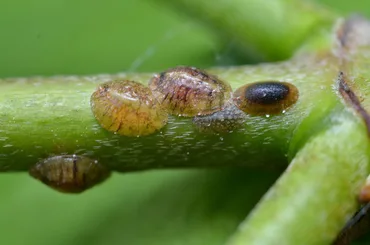
These insects attach tightly to the ridged stems, appearing as small brown or gray bumps that are easy to overlook.
Over time they cause yellowing, stunted growth, and sticky residue.
Solution
Gently scrape off individual scales or wipe stems with a cloth moistened with diluted alcohol, then follow with a horticultural oil spray.
Repeat treatments every 7–10 days for several cycles to break the life cycle and monitor closely when growing indoors.
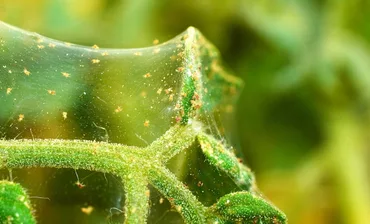
This pest thrives in hot, dry conditions and can colonize the narrow stems, especially on stressed plants.
Symptoms include fine webbing, tiny moving dots, and a dull or speckled appearance on the stem surface.
Solution
Rinse stems thoroughly with a strong but controlled stream of water to remove mites, then increase humidity slightly and improve air circulation.
If activity continues, apply an insecticidal soap or neem oil spray to all stem surfaces, repeating every 5–7 days until no mites are visible.
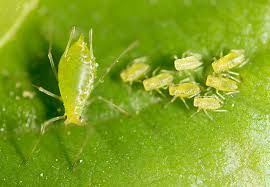
These insects may cluster on tender new shoots at the top of the plant, feeding on sap and distorting young growth.
Symptoms include sticky honeydew and, in outdoor plants, an increase in sooty mold on nearby surfaces.
Solution
Spray the plant with a firm stream of water to dislodge aphids, then treat remaining insects with insecticidal soap.
For outdoor specimens, encourage natural predators such as lady beetles and avoid overfertilizing with high-nitrogen products.
This species forms tall, leafless-looking stems densely covered in sharp spines, with small oval leaves that appear only along narrow green bands.
The plant sheds most leaves quickly in dry periods, reducing water loss while continuing photosynthesis through its green stems.
It naturally occurs only in the dry spiny forests and thorn scrub of southwestern Madagascar, where it grows on rocky, nutrient-poor soils.
In this habitat it often dominates the landscape as a characteristic component of the spiny thicket ecosystem.
In its native climate, growth and leaf production peak in the warm rainy season, while during the long dry season it enters a semi-dormant state.
This growth pattern is tightly linked to highly seasonal rainfall, a common adaptation in Madagascar’s arid regions.

Alluaudia procera plays an important role as a structural species in Madagascar’s spiny thicket, providing perching and nesting sites for birds and acting as a living framework that supports other climbing plants in an otherwise harsh, arid environment.
Growth is slow to moderate. In warm outdoor climates it may add 15–30 cm per year, less indoors. Seedlings and young plants grow faster, then slow as stems thicken and branching increases.
Keep your plants happy and healthy with plant identification, disease detection, and easy care guidance.


Pelargonium crassicaule
Pelargonium crassicaule
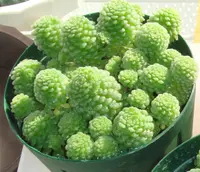
Monanthes polyphylla
Monanthes polyphylla
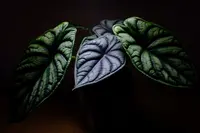
Jewel Alocasia
Alocasia baginda 'Dragon Scale'
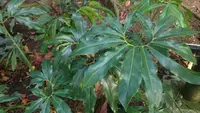
Thaumatophyllum spruceanum
Thaumatophyllum spruceanum
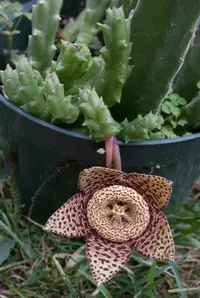
Carrion-flower
Orbea variegata
 POPULAR
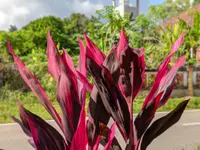
Ti Plant
Cordyline fruticosa
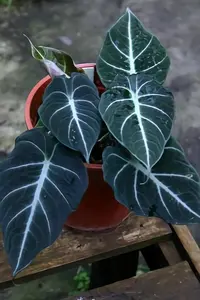
Elephant's Ear
Alocasia reginula 'Black Velvet'

beavertail pricklypear
Opuntia basilaris