Rotate Hanging Pots
If the fern is in a hanging basket, rotate the pot 90° every 1–2 weeks so fronds receive light evenly and develop a balanced, symmetrical canopy instead of leaning to one side.

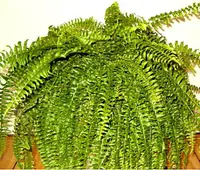
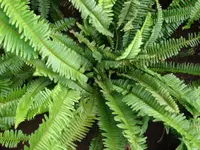
The southern sword fern, Nephrolepis exaltata, is a classic evergreen fern with arching fronds and a dense, fountain-like habit. It is often grown in hanging baskets or as a bushy floor plant. Native to tropical and subtropical regions of the Americas, it thrives in warm, humid forests where it grows in rich, moist soil. The plant is valued for its lush foliage and relatively forgiving nature, as long as it receives stable moisture and protection from harsh sun. Understanding how to care for Southern Sword Fern starts with providing bright, filtered light, evenly moist soil, and consistent humidity indoors.

Care Difficulty
Moderate Care

Light Preference
Bright Indirect Light

Water Requirements
Keep Soil Moist

Temperature Preference
Tropical / Frost Sensitive

Hardiness Zone
9–11

Soil Texture
Loamy, Peaty, Organic-rich

Soil pH
Acidic (5.5–6.5), Slightly acidic (6.5–7.0)

Soil Drainage
Moist but well-drained

Fertilization
Light (every 4–6 weeks)
Scan your plant to receive care tips personalized for your specific plant
Available on iOS and Android
This fern prefers bright, indirect light that mimics a forest understory.
This fern needs evenly moist conditions without staying waterlogged.
This species prefers consistently warm, frost-free temperatures for best growth.
Nephrolepis exaltata prefers consistently high humidity and reacts quickly to dry indoor air.
Nephrolepis exaltata grows best in light, airy, organic-rich soil that stays evenly moist but never waterlogged.
This fern is well suited to container growing, including hanging baskets and pedestal pots.
Nephrolepis exaltata benefits from light, consistent feeding during its active growing season.
Nephrolepis exaltata responds well to light, periodic pruning to keep fronds dense and tidy.
This fern prefers slightly snug pots but needs repotting when roots become congested.
This fern is most reliably propagated by division of the root ball rather than spores.
This tropical fern is frost-sensitive and needs protection in regions with cold winters.

Plant Health Check
Not sure what's wrong with your plant? Check your plant's health inside the app.
The popular houseplant known as the Boston fern is a cultivated form of the tropical fern Nephrolepis exaltata, first described from wild populations in the American tropics and later selected and spread in cultivation for its especially arching, graceful fronds.
Nephrolepis exaltata produces long, slender stolons above or just below the soil surface, which root at the tips and form new plantlets, allowing this species to spread rapidly in suitable warm, humid habitats.
On fertile fronds, this species bears its sori (spore clusters) in distinct paired rows between the midrib and the margin of each leaflet, a pattern that helps botanists distinguish it from similar fern species.

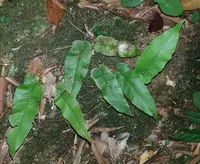
In subtropical and tropical regions outside its native range, Nephrolepis exaltata can become naturalized or even invasive, forming dense ground layers under trees and outcompeting local understory plants where moisture and warmth remain high year-round.
Brown tips or fronds usually come from low humidity, underwatering, or salt and mineral buildup. Increase humidity, water thoroughly but let excess drain, and flush the pot occasionally to remove fertilizer salts. Trim only fully dead fronds.
Keep your plants happy and healthy with plant identification, disease detection, and easy care guidance.