Use Light Trellising
Provide a small, stable trellis or hoop and gently tie new vines with soft plant ties so flower-bearing stems are supported and do not snap under the weight of dense clusters.


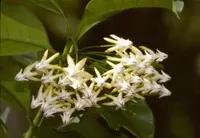
Hoya multiflora, often called the shooting star hoya, is a tropical evergreen vine known for its narrow leaves and clusters of star-shaped, reflexed flowers. The blooms are typically creamy white with yellow centers and appear repeatedly in good conditions.
This species is native to Southeast Asia, where it grows as an epiphyte on trees in warm, humid forests. It tends to stay more compact than some other hoyas, which makes it suitable for indoor containers and hanging pots.
Its moderate growth rate, need for bright but indirect light, and preference for evenly moist, airy soil make it moderately easy for attentive growers. Understanding how to care for Hoya multiflora mainly involves providing stable warmth, filtered light, and avoiding waterlogged conditions.

Care Difficulty
Moderate Care

Light Preference
Bright Indirect Light

Water Requirements
Moderate Water

Temperature Preference
Tropical / Frost Sensitive

Hardiness Zone
11–12

Soil Texture
Loamy, Peaty, Organic-rich

Soil pH
Acidic (5.5–6.5), Slightly acidic (6.5–7.0)

Soil Drainage
Well-drained

Fertilization
Light (every 4–6 weeks)
Scan your plant to receive care tips personalized for your specific plant
Available on iOS and Android
This species prefers bright, filtered light and protection from intense midday sun.
This plant prefers evenly moist but never waterlogged soil, with slight drying between waterings.
This species prefers warm, stable temperatures and does poorly in cold or drafty spots.
This species benefits from moderately humid air and reacts quickly to very dry conditions.
This epiphyte-like species prefers a loose, airy mix that drains quickly yet holds some moisture.
This species is well suited to container growing due to its controlled root system and manageable size.
Consistent but moderate feeding supports flowering and foliage on Hoya multiflora.
Thoughtful pruning keeps Hoya multiflora compact and encourages better flowering.
The plant repotting process is infrequent but helpful once the plant becomes rootbound.
Propagation of Hoya multiflora is most reliable from stem cuttings.
Cool-season care focuses on preventing cold damage and excess moisture stress.

Plant Health Check
Not sure what's wrong with your plant? Check your plant's health inside the app.
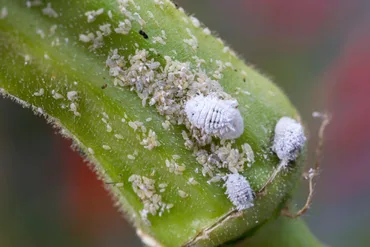
This pest appears as white cottony clumps in leaf axils, along stems, and sometimes on roots, causing leaf yellowing and sticky honeydew.
Symptoms include slowed growth and distorted new leaves if the infestation is heavy.
Solution
Isolate the plant, then wipe or dab pests with cotton swabs soaked in 70% isopropyl alcohol and rinse foliage with lukewarm water.
Use repeated applications of insecticidal soap or a neem oil product, and reduce excess nitrogen fertilization that encourages soft, mealybug‑prone growth.
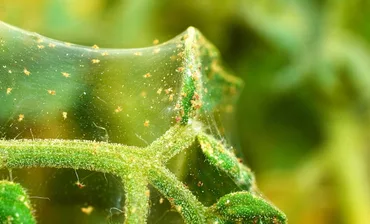
These insects are tiny and often invisible to the naked eye, but they cause fine stippling on leaves, dulling the surface.
Symptoms include faster leaf damage when the plant is kept in very warm, low‑humidity conditions near heat sources or strong sun.
Solution
Shower the plant thoroughly, directing water to the undersides of leaves, then apply insecticidal soap or a horticultural oil labeled for mites, repeating weekly until new growth looks clean.
Increase humidity to around 50–60% and avoid very dry, hot spots, since consistent moisture in the air makes it harder for mite populations to rebound.
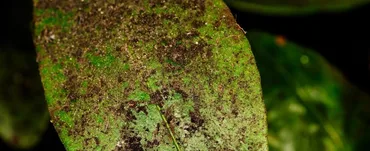
This disease is a dark, powdery or crusty black coating that grows on honeydew.
Symptoms include leaves that look dirty or gray‑black and reduced photosynthesis, which can slow growth if many leaves are covered.
Solution
First control the underlying insect pests, then gently wash affected leaves with lukewarm water and a drop of mild liquid soap.
Increase air movement and ensure good light so leaves dry faster after watering.
The reflexed, shooting-star–shaped flowers release abundant nectar that can drip or even flick off the blooms, which is why the species is commonly called shooting star hoya and waxflower in cultivation.
The plant produces clusters of flowers repeatedly from the same flower spurs, so the older brown spurs should not be pruned off if the goal is to encourage continued blooming.
Unlike many vining hoyas, this species tends to grow as a more upright, shrubby plant with relatively stiff stems, which makes it structurally different from the typical trailing wax plant.

Hoya multiflora is naturally distributed in lowland to lower-montane forests of Southeast Asia, often growing as an epiphyte on trees in warm, humid habitats where it benefits from bright but filtered light and good air movement.
Lack of blooms usually comes from insufficient light, overly frequent repotting, or pruning off old flower spurs. Keep it slightly rootbound, avoid heavy pruning of spent stalks, and maintain steady conditions to support repeated flowering.
Keep your plants happy and healthy with plant identification, disease detection, and easy care guidance.