Encourage Compact Growth
Pinch back the soft stem tips in early spring to keep rosettes tight and prevent the plant from becoming leggy, then use the cuttings as propagation material.

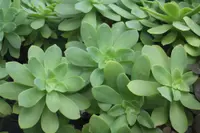
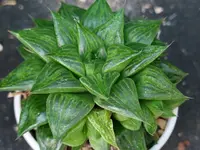
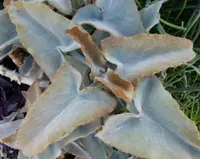
Palmer's sedum (Sedum palmeri) is a compact, evergreen succulent grown for its rosettes of fleshy, spoon-shaped leaves and trailing stems. The foliage often turns reddish at the tips in cooler or brighter conditions, adding seasonal color.
This species naturally occurs in rocky areas of northeastern Mexico, where it grows in well-drained, gritty soils with strong light and intermittent rainfall. Its drought tolerance and modest nutrient needs make it a low-maintenance option for containers, rock gardens, and indoor windowsills.
Because it stores water in its leaves, it forgives occasional missed waterings and adapts well to bright indoor locations. Understanding how to care for Palmer's Sedum mainly involves providing good light and avoiding consistently wet soil.

Care Difficulty
Easy Care

Light Preference
Full Sun

Water Requirements
Low Water

Temperature Preference
Warm Climate

Hardiness Zone
8–11

Soil Texture
Sandy, Loamy, Rocky

Soil pH
Slightly acidic (6.5–7.0), Neutral (7.0)

Soil Drainage
Well-drained

Fertilization
Minimal (feed rarely)
Scan your plant to receive care tips personalized for your specific plant
Available on iOS and Android
This succulent prefers bright conditions and handles direct sun better than many leafy plants.
This species stores water in its leaves and prefers lean, fast-draining soil that dries between waterings.
This succulent favors mild, dry conditions and tolerates a moderate range of outdoor temperatures.
This succulent tolerates a wide humidity range and usually does not need special adjustment in homes.
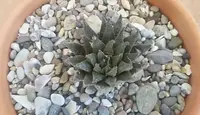
Sedum palmeri prefers very well-drained, gritty soil that mimics rocky slopes.
This species grows very well in containers, including shallow bowls and balcony planters.
This succulent needs only light feeding to stay compact and healthy.
Targeted pruning keeps Sedum palmeri dense, tidy, and flowering well.
Container-grown plants and dense outdoor clumps benefit from occasional repotting or lifting and transplanting.
This species responds well to simple vegetative propagation methods.
Sedum palmeri is fairly cold hardy but benefits from light winter management in colder areas.

Plant Health Check
Not sure what's wrong with your plant? Check your plant's health inside the app.
In its native range in northeastern Mexico, this species often grows on limestone cliffs and rocky outcrops, forming mats in very shallow crevices where many other plants cannot survive.
Unlike many subtropical succulents, it tolerates light frost and short dips below freezing, which has helped it become established as an outdoor ornamental in mild temperate climates.
Its rosettes can shift from bright green in mild, shaded conditions to yellowish or reddish tones under strong light and cooler temperatures, an effect caused by protective pigments called anthocyanins.

Botanists consider this species one of the earliest succulent sedums introduced into European horticulture from Mexico in the 19th century, and it has since naturalized in some Mediterranean regions where it escapes from gardens into rocky slopes and roadsides.
Leggy, stretched stems usually mean the plant is reaching for more light or is overdue for trimming. Increase light intensity, rotate the pot regularly, and lightly pinch or prune stems to encourage branching and a denser shape.
Keep your plants happy and healthy with plant identification, disease detection, and easy care guidance.