Dumbcane Care (Dieffenbachia Star Bright)

About Dumbcane

Dieffenbachia Star Bright is a tropical foliage houseplant grown mainly for its bold, patterned leaves. It is a compact cultivar of Dieffenbachia, also called dumb cane.

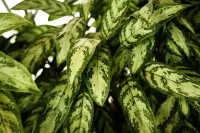
The plant has upright, cane-like stems with large, pointed leaves marked in light green and creamy yellow, giving a bright look even in low-light corners. It originates from humid tropical forests of Central and South America, where it grows on the shaded forest floor.

This variety is considered moderately easy indoors, as it tolerates typical home humidity and average room temperatures. It prefers bright, indirect light, evenly moist but not waterlogged soil, and benefits when you understand how to care for Dieffenbachia Star Bright.

Main Plant Requirements

Care Difficulty

Moderate Care

Light Preference

Bright Indirect Light

Water Requirements

Moderate Water

Temperature Preference

Tropical / Frost Sensitive

Hardiness Zone

11–12

Soil Texture

Loamy, Peaty, Organic-rich

Soil pH

Acidic (5.5–6.5), Slightly acidic (6.5–7.0)

Soil Drainage

Moist but well-drained

Fertilization

Light (every 4–6 weeks)

Get Personalized Care Plan

Scan your plant to receive care tips personalized for your specific plant

Personalized Care in the App

Available on iOS and Android

How to Care for the Dumbcane

This plant prefers bright, indirect light that protects its leaves from harsh direct sun.

  • Provide 6–8 hours of bright, filtered light each day, such as near an east or north-facing window with sheer curtains.
  • Dieffenbachia Star Bright tolerates light shade, but in very low light growth slows, stems stretch, and leaf variegation fades.
  • Avoid strong midday or afternoon sun, especially in summer, as it can scorch leaves; increase distance from south- or west-facing windows during brighter seasons.

This species prefers evenly moist but never waterlogged soil.

  • Water when the top 2–4 cm of soil feel dry, using enough water so excess drains away, then discard any standing water from saucers or cachepots.
  • In spring and summer, expect to water more often as growth and evaporation increase; reduce frequency in fall and winter when growth slows.
  • Watch for yellowing, mushy lower leaves as a sign of overwatering, and for drooping, curling, or crisp edges as indicators of underwatering.

This tropical plant grows best in stable, warm conditions without sudden temperature swings.

  • Aim for 65–80°F (18–27°C) for active growth, which suits most heated homes and shaded patios in mild climates.
  • Protect the plant from temperatures below 55°F (13°C); brief drops may cause leaf yellowing, while exposure near 40°F (4°C) can result in tissue damage.
  • Shield from hot drafts and heat spikes above 86°F (30°C) by increasing shade and airflow, especially during peak summer afternoons.

This plant prefers moderately high, stable humidity to maintain healthy foliage.

  • Aim for 50–60% humidity; short periods down to 40% are usually tolerated but may slow growth.
  • Crisp brown leaf edges, curling, and stalled new leaves indicate humidity stress rather than underwatering.
  • Increase humidity with a nearby humidifier, grouping plants together, or placing the pot on a pebble tray that keeps the base above the water line.

This plant grows best in a loose, airy, organic-rich mix that drains quickly but holds some moisture.

  • Use a peat- or coco-based houseplant mix amended with 20–30% perlite and a small amount of fine bark for structure and aeration.
  • Aim for slightly acidic to neutral pH around 6.0–7.0, which supports nutrient availability and prevents leaf chlorosis.
  • Ensure the mix drains freely so water runs through within seconds, preventing roots from sitting in saturated conditions that encourage rot.
  • Avoid heavy garden soil, clayey mixes, or potting blends with large amounts of un-composted wood that stay wet and suffocate roots.

This species is very suitable for container growing due to its compact root system and upright habit.

  • Select a pot just 2–5 cm wider than the root ball to keep the mix from staying wet for too long after watering.
  • Choose a stable, heavier container if the plant becomes tall so the narrow stem and large leaves do not cause tipping.
  • Use a pot material that matches your environment: porous terracotta for damp homes or non-porous plastic/ceramic where the mix dries very slowly.

Balanced feeding supports steady, leafy growth for Dieffenbachia Star Bright in containers.

  • Use a balanced liquid fertilizer (around 10-10-10 or 20-20-20) diluted to 1/4–1/2 strength for potted plants.
  • Feed every 4–6 weeks during spring and summer when growth is active.
  • Skip compost-heavy mixes that stay soggy; choose well-drained potting soil instead.
  • Reduce or stop feeding in fall and winter, when growth slows and nutrient demand drops.

Thoughtful pruning keeps Dieffenbachia Star Bright compact, tidy, and safely away from traffic areas.

  • Carry out light pruning in spring or early summer, when the plant resumes active growth.
  • Remove yellow, dead, or mechanically damaged leaves at the base of the petiole with clean, sharp shears.
  • Cut back overly tall or leggy stems above a node to encourage bushier growth from lower buds.
  • Wear gloves, as the milky sap can irritate skin, and disinfect tools to limit disease spread.

Container-grown plants benefit from occasional repotting to maintain healthy roots and stable growth.

  • Repot every 2–3 years, or when roots circle the pot, push above the soil, or growth becomes noticeably slower.
  • Choose early spring for repotting, just before strong new growth begins, to shorten recovery time.
  • Move into a pot 2–5 cm wider with fresh, well-draining peat- or coir-based mix to avoid waterlogging.
  • Minimize root stress by watering the day before, handling the root ball gently, and keeping the plant shaded for several days afterward.

New plants are most commonly produced from stem cuttings rather than seed.

  • Use tip or cane cuttings 7–12 cm long taken in late spring or summer from healthy, pest-free stems.
  • Let cut surfaces dry for 20–30 minutes, then place segments horizontally or vertically in moist, sterile, well-draining mix.
  • Maintain warm temperatures around 70–80°F, high humidity, and bright, indirect light to support rooting.
  • Keep the medium slightly moist, not wet; roots typically form in several weeks, after which growth can gradually be acclimated to normal care conditions.

As a tropical houseplant, this cultivar has very low frost tolerance and requires stable indoor conditions in winter.

  • Keep temperatures around 65–75°F and avoid exposure below 55°F, including cold drafts from doors or windows.
  • Provide bright, indirect light, compensating for short days by moving closer to a window or using grow lights.
  • Water less often, allowing the top 2–3 cm of soil to dry, and do not feed during the low-light period.
  • In cool, dry indoor air, raise humidity with a pebble tray or humidifier to limit leaf edge browning.

Care Tips

Rotate for symmetry

Rotate the pot 90° every 1–2 weeks to prevent the stems from leaning toward the light and to keep the plant full and balanced on all sides.

Support tall canes

Once stems exceed about 30–40 cm and start to lean, insert a discreet stake near the base and tie the cane loosely with soft plant ties to prevent snapping and to keep the plant upright.

Leaf cleaning routine

Wipe the leaves monthly with a damp, soft cloth to remove dust so the variegation stays visible and the plant can photosynthesize efficiently, avoiding any leaf-shine products that can clog pores.

Safe handling practice

Wear gloves and avoid touching your face when pruning or repotting, then wash hands and tools afterward, because the sap is irritating and can cause burning if it contacts skin or eyes.

Root monitoring check

Every few months, slide the root ball partially out of the pot to check for dense circling roots or sour smells so you can repot or adjust watering before stress symptoms appear when caring for Dieffenbachia Star Bright.

Common Pests and Diseases

Spider mites

This pest often appears on older Dieffenbachia leaves kept in warm, dry indoor air, causing tiny yellow specks and fine webbing on the undersides. Symptoms include dull, stippled foliage that may eventually yellow and drop.

Solution

Rinse foliage thoroughly with lukewarm water, focusing on the leaf undersides, then wipe leaves to remove remaining mites and webbing. If the problem persists, use repeated applications of insecticidal soap or a neem oil solution every 5–7 days and increase humidity around the plant while ensuring good air movement.

Mealybugs

These insects gather in leaf axils and along stems, forming white, cottony clusters and excreting sticky honeydew. Symptoms include distorted new growth and sooty mold developing on the sticky residue.

Solution

Isolate the plant, then dab visible mealybugs with cotton swabs dipped in 70% isopropyl alcohol and wipe affected areas. Follow up with 2–3 treatments of insecticidal soap or a light neem oil spray at 7–10 day intervals and inspect regularly for reinfestation, especially in hidden leaf joints.

Bacterial leaf spot

This disease causes water-soaked, translucent spots that turn brown and may be surrounded by yellow halos, especially on older leaves. Symptoms include rapidly expanding lesions in warm, humid, low-airflow conditions.

Solution

Remove and discard affected leaves, disinfecting scissors between cuts, and avoid wetting the foliage when watering. Improve air circulation, reduce overhead misting, and keep leaves dry; in severe indoor cases, discarding heavily infected plants may be the most reliable long-term solution.

Fusarium stem rot

This disease leads to browning and softening of lower stems at the soil line, often following chronic overwatering or contaminated potting mix. Symptoms include wilting, yellowing leaves, and a mushy stem base that may collapse.

Solution

At early stages, cut away and discard all affected stem tissue, then repot the plant into fresh, sterile, fast-draining mix and a clean pot, reducing watering until new growth appears. In advanced cases, discard the entire plant and potting medium, disinfect containers and tools, and adjust watering habits as part of overall Dieffenbachia Star Bright care instructions.

Aphids

These insects cluster on tender new shoots and undersides of leaves, sucking sap and causing curling or misshapen foliage. Symptoms include sticky honeydew on leaves and surfaces below the plant, sometimes followed by black sooty mold growth.

Solution

Rinse the plant under a gentle stream of water to dislodge aphids, then prune heavily infested shoot tips. Apply insecticidal soap thoroughly to new growth and leaf undersides every 5–7 days until no new aphids appear, and check any nearby houseplants to prevent reintroduction.

Interesting Facts

Stable variegation pattern

The pale chartreuse and cream mottling of this cultivar is genetically stable, so new leaves reliably emerge with the same speckled pattern instead of reverting to solid green foliage.

Bred for higher light tolerance

Compared with many older dumb cane cultivars, Star Bright was selected to cope better with moderately brighter indoor light, which helps maintain its narrow, patterned leaves without excessive scorching when placed near bright windows.

Narrow foliage adaptation

Its more elongated, lance-shaped leaves offer a slightly lower leaf area per leaf than broad-leaved dieffenbachias, which can reduce water loss and make the plant somewhat more forgiving of short dry spells indoors.

FAQs about Dumbcane

Brown leaf edges usually come from low humidity, missed waterings, or fertilizer salts building up in the potting mix. Improve humidity, water evenly, and occasionally flush the soil with plain water to remove excess salts.

Grow Healthy Plants with Botan Care

Keep your plants happy and healthy with plant identification, disease detection, and easy care guidance.

Botan plant care app — identify plants on mobile

Explore More Plants