Rotate Containers Regularly
Turn pots 90° every 7–10 days so plants receive even light, which keeps stems upright and reduces the risk of them leaning or breaking at the base.



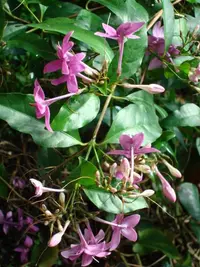
Madagascar periwinkle, Catharanthus roseus, is a compact, evergreen perennial often grown as an annual in cooler climates. It forms a low, bushy mound with glossy leaves and abundant simple flowers. Flowers usually appear in shades of pink, white, or rose with a small contrasting eye, and bloom over a long warm season. Plants are commonly used in bedding, edging, and containers. This species is native to Madagascar but is now widely grown in tropical and subtropical regions. It copes well with heat and short dry spells, which makes it relatively easy to manage in gardens. For those learning how to care for Madagascar Periwinkle, it generally prefers bright light, moderate watering, and well-drained soil.

Care Difficulty
Easy Care

Light Preference
Full Sun

Water Requirements
Moderate Water

Temperature Preference
Tropical / Frost Sensitive

Hardiness Zone
9–11

Soil Texture
Sandy, Loamy, Organic-rich

Soil pH
Acidic (5.5–6.5), Slightly acidic (6.5–7.0)

Soil Drainage
Well-drained

Fertilization
Light (every 4–6 weeks)
Scan your plant to receive care tips personalized for your specific plant
Available on iOS and Android
This sun-loving annual or perennial flower needs strong light to bloom well.
This plant prefers evenly moist but not saturated soil and tolerates brief dryness once established.
All warm-season plants, like Pilea involucrata, Stapelia gigantea or the Madagascar plant, grow best in stable, frost-free conditions.
This species grows best in moderately dry air but tolerates typical indoor humidity without special measures.
Catharanthus roseus prefers loose, fast-draining, slightly fertile soil that never stays soggy.
This species is well suited to container growing on patios, balconies, and sunny entrances.
Catharanthus roseus responds well to light, consistent feeding during its active growing season.
Pruning helps Catharanthus roseus stay compact, branching well and flowering more evenly.
This plant handles both container repotting and garden transplanting if moved at the right stage.
Catharanthus roseus is commonly propagated from seed and soft stem cuttings under warm conditions.
This tropical species is frost-tender and needs protection in regions with cold winters.

Plant Health Check
Not sure what's wrong with your plant? Check your plant's health inside the app.
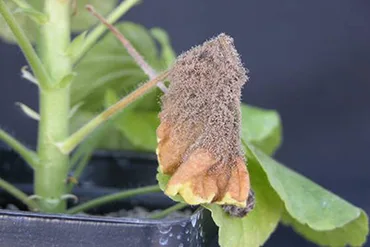
This disease causes soft, brown, mushy areas on flowers and young shoots.
It may develop a gray, fuzzy mold, especially during cool, damp periods or in dense plantings.
Solution
Promptly remove and dispose of affected flowers and stems, and improve ventilation by thinning crowded plants and reducing overhead irrigation.
Water early in the day so surfaces dry quickly, and in severe or recurring cases apply a suitable fungicide.
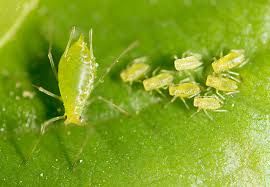
These insects cluster on young shoots and buds, sucking sap and causing distortion, sticky honeydew, and sometimes sooty mold on leaves and stems.
Solution
Spray plants with a strong stream of water to dislodge colonies, then treat remaining insects with insecticidal soap or a light horticultural oil.
Encourage natural predators such as lady beetles by avoiding broad-spectrum insecticides that harm beneficial insects.
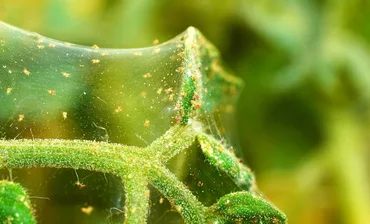
This pest is most common in hot, dry conditions and causes fine stippling, bronzing, and dulling of leaves, sometimes accompanied by fine webbing between stems and foliage.
Solution
Increase humidity around the plants and rinse foliage with water, focusing on the undersides of leaves to remove mites and webbing.
For persistent infestations, apply insecticidal soap or a horticultural oil at labeled intervals, and monitor closely during hot weather.
This species provided the plant-derived alkaloids vincristine and vinblastine, which became important chemotherapeutic agents after isolation and clinical validation in the mid-20th century.
In its native range around Madagascar and nearby regions, this plant often grows on sandy, coastal, and disturbed soils, showing strong tolerance to salt spray, drought, and poor substrates.
In warm climates it produces abundant seed that readily germinates near the parent plant, which is why it can naturalize and sometimes behave as an invasive ornamental in subtropical and tropical regions.

Genetic and chemical studies show that this single species produces an unusually large and complex suite of indole alkaloids, making it a model organism for research on specialized plant metabolism and the evolution of plant defense compounds.
Poor flowering often results from insufficient light, excessive nitrogen fertilizer, or stress from cold, root disturbance, or disease. Ensure strong light, moderate feeding, and promptly remove spent flowers so energy goes into new buds instead of seed production.
Keep your plants happy and healthy with plant identification, disease detection, and easy care guidance.