


Respect Dormancy Cycle
When leaves yellow and collapse after flowering, gradually stop watering, move the pot to a cool dry spot, and let the tuber rest for 8–12 weeks before resuming light watering to restart growth.



Cyclamen (Cyclamen persicum) is a compact, tuberous perennial often grown as a cool-season indoor or patio plant. It is known for its upswept, butterfly-like flowers and patterned, heart-shaped leaves. Flowers come in white, pink, red, or bicolors and rise above the foliage on slender stems, giving the plant a delicate, airy look. In nature, C. persicum occurs in parts of the eastern Mediterranean, where summers are dry and winters are mild and moist. This seasonal rhythm means it can be sensitive to overwatering and heat during its rest phase. It prefers bright, indirect light, evenly moist but not waterlogged soil, and good airflow, which guides how to care for Cyclamen in a home setting.

Care Difficulty
Moderate Care

Light Preference
Bright Indirect Light

Water Requirements
Moderate Water

Temperature Preference
Cool Climate

Hardiness Zone
9–11

Soil Texture
Loamy, Peaty, Organic-rich

Soil pH
Acidic (5.5–6.5), Slightly acidic (6.5–7.0)

Soil Drainage
Moist but well-drained

Fertilization
Light (every 4–6 weeks)
Scan your plant to receive care tips personalized for your specific plant
Available on iOS and Android
This species prefers bright, cool conditions with protection from intense midday sun.
Watering, like for Spur Flower, must balance steady moisture with strong drainage to protect the tuber from rot.
Cool to mild temperatures support the best flowering and compact growth.
This species prefers cool, moderately humid air rather than very dry indoor conditions.
Cyclamen persicum grows best in a loose, airy mix that balances moisture retention with rapid drainage.
This species is well suited to container growing when the pot and watering are managed carefully.
Cyclamen persicum benefits from light, consistent feeding during active growth but is sensitive to overfertilizing.
Pruning focuses on hygiene and flowering quality rather than shaping Cyclamen persicum.
Repotting helps maintain root health and flowering quality in container-grown Cyclamen persicum.
Cyclamen persicum is most often propagated from seed; division of tubers is possible but more risky.
Winter care depends on whether Cyclamen persicum is grown indoors or outdoors and on local minimum temperatures.

Plant Health Check
Not sure what's wrong with your plant? Check your plant's health inside the app.
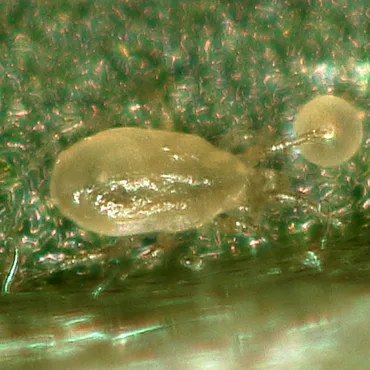
This pest is microscopic and feeds in young, folded leaves and flower buds, causing distorted, stunted growth and deformed flowers.
Symptoms include thickened, brittle leaves, tight rosettes, and failure of buds to open properly.
Solution
Isolate affected plants, remove and discard badly deformed leaves and buds, and keep the plant in cooler conditions since high temperatures favor this mite.
Use a targeted miticide labeled for cyclamen mites and follow directions carefully, and discard heavily infested plants if control is not achievable.
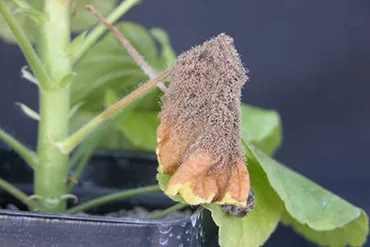
This disease is caused by a gray mold fungus that thrives in cool, humid, poorly ventilated conditions.
Symptoms include soft brown spots on leaves, flowers, and petioles that develop fuzzy gray mold, especially on aging flowers.
Solution
Remove all affected flowers and leaves promptly and discard them in the trash, not compost.
Improve air circulation, avoid water sitting on foliage, keep humidity moderate, and if needed apply a fungicide labeled for Botrytis on ornamentals.
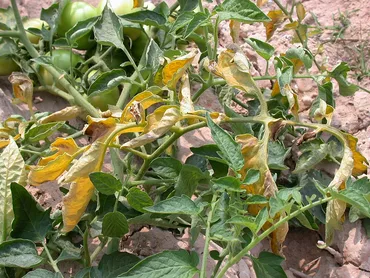
This disease infects the vascular system, disrupting water flow inside the plant.
Symptoms include yellowing and wilting of leaves on one side of the plant, stunted growth, and brown discoloration in the tuber or leaf stalks.
Solution
Discard severely affected plants since internal infection cannot be cured, and always start with clean, disease-free tubers or nursery stock.
Use sterile potting mix, avoid reusing contaminated pots without disinfection, and keep temperatures moderate.
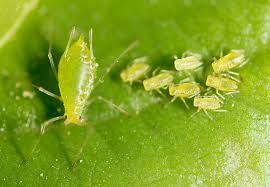
These insects cluster on flower stalks and young leaves, sucking sap and excreting sticky honeydew.
Symptoms include curled or distorted new growth, sticky residue, and sometimes black sooty mold growing on the honeydew.
Solution
Wash off aphids with a gentle but thorough spray of lukewarm water, repeating as needed.
Treat with insecticidal soap or a light horticultural oil, ensuring full coverage of stems, leaf undersides, and flower stalks, and keep the plant isolated.
This species is adapted to a Mediterranean climate and grows actively in the cool, wet season, then goes dormant in summer heat, which is the opposite of most popular houseplants.
Its flowers have a reflexed corolla and a narrow tube that favor pollination by specific insects, and the stamens form a cone around the style that releases pollen through small pores, a structure known as poricidal anthers.
After pollination, the flower stalk slowly coils downward, bringing the developing seed capsule close to the soil surface, where seeds are eventually dispersed and protected from strong sunlight.

The wild forms of this species, native mainly to the Eastern Mediterranean from Turkey to parts of the Levant, have been selectively bred since at least the 19th century into hundreds of modern cultivars with enlarged flowers, varied petal shapes, and a wide color range from pure white to deep magenta, making Cyclamen persicum one of the most intensively bred ornamental geophytes in commercial horticulture.
Lack of flowers often comes from temperatures that are too warm, low light, or old, exhausted tubers. Allow a cool rest period after flowering, avoid overpotting, and remove spent flower stems cleanly to support future blooms.
Keep your plants happy and healthy with plant identification, disease detection, and easy care guidance.

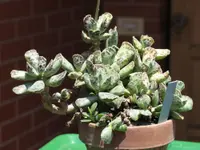
Plover Eggs Plant
Adromischus cooperi
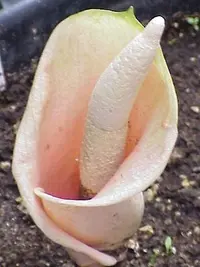
Amorphophallus bulbifer
Amorphophallus bulbifer
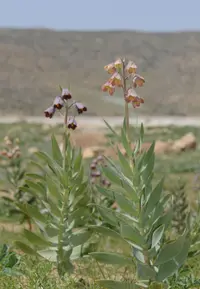
Persian lily
Fritillaria persica
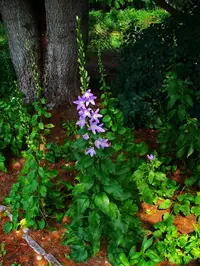
Chimney Bellflower
Campanula pyramidalis
Portuguese lavender
Lavandula latifolia
 POPULAR
Noble Dendrobium
Dendrobium nobile
oakleaf garden geranium
Pelargonium panduriforme
 POPULAR
Amorphophallus henryi
Amorphophallus henryi