Yellow Chincherinchee Care (Ornithogalum dubium)

Also known as: Gold Chincherinchee, Varicoloured Chicherinchee

About Yellow Chincherinchee

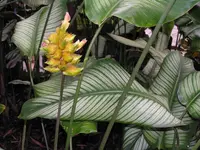
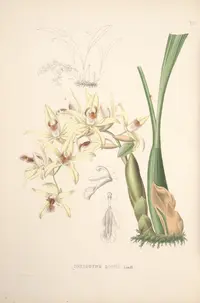
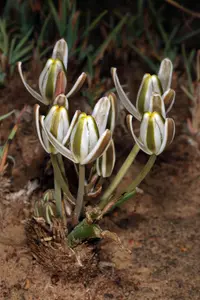
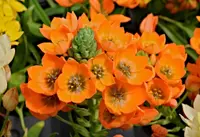
Yellow Chincherinchee (Ornithogalum dubium) is a compact bulbous flowering plant valued for its bright, long-lasting blooms. It typically forms short, upright stems topped with dense clusters of star-shaped orange to yellow flowers above a rosette of strap-like green leaves.

This species is native to South Africa, where it grows in sunny, well-drained habitats. In cultivation it is commonly grown in pots indoors or as a seasonal accent plant.

It is considered moderately easy to grow if given bright light, a free-draining soil mix, and careful watering that avoids prolonged soggy conditions. Understanding how to care for Yellow Chincherinchee helps extend its blooming period and keep the bulb healthy for future seasons.

Main Plant Requirements

Care Difficulty

Moderate Care

Light Preference

Full Sun

Water Requirements

Moderate Water

Temperature Preference

Tropical / Frost Sensitive

Hardiness Zone

9–11

Soil Texture

Sandy, Loamy, Organic-rich

Soil pH

Slightly acidic (6.5–7.0), Neutral (7.0)

Soil Drainage

Well-drained

Fertilization

Light (every 4–6 weeks)

Get Personalized Care Plan

Scan your plant to receive care tips personalized for your specific plant

Personalized Care in the App

Available on iOS and Android

How to Care for the Yellow Chincherinchee

This species needs bright, sustained light to flower well and keep stems compact.

  • Provide 6–8 hours of sun daily, ideally with morning sun and light afternoon shade, especially in hotter regions.
  • Outdoors, grow in full sun to very bright partial shade; indoors, place at a south or west window with sheer curtain to protect Yellow Chincherinchee from scorching.
  • Leaves that stretch, flop, or lose deep green color indicate light is too low, while bleached or crisping tips suggest excessive direct midday sun.

Watering should support active growth while protecting the bulbs from rot.

  • Allow the top 3–5 cm of soil to dry before watering, then soak thoroughly so excess drains away from the bulbs.
  • During active growth and flowering, water when leaves begin to feel less turgid; in dormancy, reduce to very light, infrequent watering or keep bulbs nearly dry.
  • Yellowing, soft, or foul-smelling bulbs indicate overwatering and poor drainage, while limp, wrinkled leaves and dry, shrinking bulbs signal underwatering.

Stable, mild temperatures help this bulb produce strong flower spikes and healthy foliage.

  • Aim for 60–75°F (16–24°C) during active growth; slight drops at night are acceptable and can improve flowering.
  • Protect from frost; sustained exposure below 40°F (4°C) can damage bulbs, so lift or shelter plants in colder climates over winter.
  • In hot weather above 85°F (29°C), provide light afternoon shade and avoid placing plants near reflective surfaces or heat-radiating walls.

This bulb prefers relatively dry air and rarely needs special humidity adjustments indoors.

  • Target 30–50% humidity, similar to typical heated or air-conditioned homes, for stable flowering.
  • Tolerates drier air well; prolonged humidity above 60% increases risk of bulb and crown rot in Yellow Chincherinchee.
  • Watch for limp, yellowing leaf bases and soft, mushy bulbs as signs of excess humidity and poor air movement.
  • Increase airflow rather than moisture by spacing plants, using a small fan nearby, and avoiding enclosed cloches or terrariums.

Ornithogalum dubium performs best in a light, sharply drained mix that protects the bulb from staying wet.

  • Use a sandy or gritty loam with plenty of mineral content so water drains through quickly around the bulb.
  • Aim for slightly acidic to neutral pH around 6.0–7.0, which supports nutrient uptake while limiting salt buildup.
  • Blend roughly 50–60% all-purpose potting mix with 40–50% drainage materials such as coarse sand, perlite, or fine gravel.
  • Avoid heavy clayey or peat-dense mixes that hold water around the bulb; add extra perlite or sand to improve aeration and prevent rot.

This species is well suited to container cultivation, especially for seasonal indoor display and outdoor patios.

  • Choose a pot just 2–3 in wider than the cluster of bulbs to prevent excess unused mix from staying wet.
  • Select a stable, heavier container material if several flowering stems make the plant top-heavy in bloom.
  • Ensure fast runoff by using a pot with multiple drainage holes and a thin, free-draining layer at the base rather than a water-retentive saucer.

Ornithogalum dubium is a bulb that benefits from light, controlled feeding during its active growth phase.

  • Use a balanced water-soluble fertilizer, such as 10-10-10, diluted to 1/4–1/2 strength for Yellow Chincherinchee.
  • Feed every 2–3 weeks during active growth and flowering, starting when new leaves appear.
  • Stop fertilizing once the foliage begins to yellow and the plant enters dormancy.
  • Avoid organic compost in pots, which can stay too wet; use a well-drained, soilless mix instead.

Pruning needs for Ornithogalum dubium are minimal and focus mainly on post-flowering cleanup.

  • After flowers fade, cut spent flower stalks back to the base with clean scissors or snips.
  • Leave healthy green leaves intact so they can photosynthesize and recharge the bulb.
  • Remove only yellow, dead, or damaged foliage, trimming close to the soil surface.
  • Light cleanup pruning maintains a tidy shape but does not significantly change plant size.

This bulb is usually grown in small pots, and repotting focuses on renewing the growing medium and managing crowded bulbs.

  • Check for roots emerging from drainage holes, bulbs pressed against the pot, or declining vigor as signs to repot.
  • Plan repotting every 2–3 years, ideally after flowering when the foliage has died back.
  • Gently unpot, separate offsets, and replant bulbs in fresh, well-draining mix, keeping bulbs just below the surface.
  • Handle bulbs carefully, keep roots slightly moist but not saturated, and shade briefly after repotting to reduce stress.

New Ornithogalum dubium plants are most reliably obtained by dividing bulbs and offsets, with seed used less often.

  • Divide bulbs in late summer or early fall during dormancy, when the pot is dry and foliage gone.
  • Gently separate offsets from the mother bulb, keeping any attached roots intact.
  • Replant offsets in a free-draining mix, spacing bulbs so they do not touch and watering lightly after planting.
  • For seeds, sow on the surface of barely moist mix, keep warm (65–75°F) and bright, and expect slower growth to flowering size.

This tender bulb dislikes frost and benefits from controlled indoor conditions in winter, especially in cooler climates.

  • In USDA zones colder than 9, grow bulbs in containers and move indoors before temperatures fall near 40°F.
  • Keep dormant bulbs in a cool, dry, frost-free place with good air circulation.
  • For in-ground plantings in mild climates, use a 5–8 cm mulch layer to insulate the root zone.
  • Avoid watering heavily in winter; maintain the medium just barely dry to prevent bulb rot.

Care Tips

Rotate For Even Blooms

Turn the pot 90° every 3–4 days while the flower stems are elongating so the scapes develop straight and the bloom cluster stays centered rather than leaning toward the light source.

Staggered Bulb Forcing

Pot bulbs in small batches 2–3 weeks apart in the same soil mix and conditions so you have a succession of flowering plants rather than a single short display period.

Post-Bloom Leaf Management

After flowers fade, remove only the spent flower stalks and allow the leaves to remain until they yellow naturally, which maximizes carbohydrate storage in the bulbs for stronger flowering next season.

Dry Rest Storage

After the foliage has completely dried, lift the bulbs, brush off old soil, discard soft or damaged ones, then store the healthy bulbs in a dry, airy paper bag at 50–60°F for 8–10 weeks before replanting.

Check Bulb Density

When repotting, gently squeeze each bulb; keep only those that feel firm and heavy for their size, since dense bulbs are more likely to flower reliably when growing Yellow Chincherinchee.

Common Pests and Diseases

Bulb mite

This pest feeds on the fleshy bulb scales and basal plate, weakening plants and reducing flowering. Symptoms include poor emergence, stunted growth, and bulbs that feel soft or show brown, corky tissue inside.

Solution

Discard badly infested bulbs and keep only firm, healthy stock. For mild cases, trim damaged bulb tissue, allow cut surfaces to dry for 1–2 days, then replant in clean, well-drained medium and avoid storing bulbs in damp, warm conditions that favor mites.

Narcissus bulb fly

This insect lays eggs at the base of bulbs; the larvae tunnel inside and hollow out the bulb. Symptoms include sudden collapse of the foliage, failure to flower, and bulbs that are soft with a single large grub or brown tunneling inside.

Solution

Remove and destroy any suspect bulbs to break the life cycle. Use fine mesh or insect-proof netting over bulb trays outdoors during the adult flight period and keep stored bulbs in enclosed, well-ventilated containers so flies cannot reach them.

Leaf and scape blight

This disease causes water-soaked, then tan to brown lesions on leaves and flower stems, sometimes leading to tip dieback and collapse of the scape. Symptoms include yellowing from the lesion upward and, in humid conditions, a faint gray or whitish fungal growth on affected tissue.

Solution

Promptly remove and discard affected leaves and flower stems, and avoid wetting the foliage when watering. Improve air circulation, space pots so leaves do not touch, and if spread continues, apply a labeled ornamental bulb fungicide according to the manufacturer’s Ornithogalum dubium care instructions.

Basal plate rot

This disease begins at the basal plate of the bulb, causing it to turn brown, sunken, and dry or sometimes soft, leading to poor shoot emergence or sudden wilt. Symptoms include failure of bulbs to root well, stunted or yellow foliage, and a dry rot that progresses upward into the bulb scales.

Solution

Discard all bulbs showing basal discoloration or hollowed tissue and do not reuse contaminated potting mix. Plant only firm, uninjured bulbs in clean, free-draining substrate, avoid overwatering, and keep storage conditions cool, dry, and well ventilated to limit infection.

Interesting Facts

South African geophyte

This species is native to the Western and Eastern Cape of South Africa, where it grows as a geophyte, storing energy and water in an underground bulb to survive hot, dry summers.

True orange star

It is one of the few bulbous ornamentals that naturally produces vivid orange to yellow star-shaped flowers, which has led to its common name yellow chincherinchee and made it a focus of breeding for brighter flower color.

Short-lived perennial habit

In its native climate it behaves as a short-lived perennial, flowering for several seasons from the same bulb, but in cooler regions it is often grown as a disposable pot plant after one main flowering period.

Botan icon

Did you know?

This species was introduced into international horticulture only in the 20th century, yet it rapidly became an important commercial cut-flower crop in Europe and North America because its dense flower clusters and sturdy stems hold up well in transport and in indoor arrangements.

FAQs about Yellow Chincherinchee

Lack of flowers often results from insufficient rest after the previous bloom, depleted bulb energy, or inadequate light. Allow foliage to die back naturally, avoid overwatering during dormancy, and provide bright conditions in the next growth cycle.

Grow Healthy Plants with Botan Care

Keep your plants happy and healthy with plant identification, disease detection, and easy care guidance.

Botan plant care app — identify plants on mobile

Explore More Plants