Flaming Katy Care (Kalanchoe blossfeldiana)

Also known as: Flaming Katy

About Flaming Katy

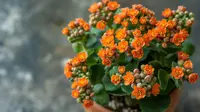
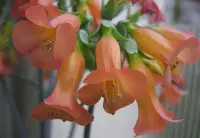
Flaming Katy, Kalanchoe blossfeldiana, is a compact succulent often grown indoors for its bright clusters of long-lasting flowers. It typically forms a low, bushy mound with thick, glossy leaves that store water.

This species comes from Madagascar, where it grows in rocky, sunny habitats with sharp drainage. Its drought tolerance and slow, tidy growth habit make it suitable for windowsills and small spaces.

Many people choose it as a low-maintenance flowering houseplant, though it still needs bright light and well-drained soil to bloom well. Understanding how to care for Flaming Katy helps keep it compact, healthy, and regularly flowering.

Main Plant Requirements

Care Difficulty

Easy Care

Light Preference

Bright Indirect Light

Water Requirements

Low Water

Temperature Preference

Tropical / Frost Sensitive

Hardiness Zone

10–12

Soil Texture

Sandy, Loamy, Organic-rich

Soil pH

Acidic (5.5–6.5), Slightly acidic (6.5–7.0)

Soil Drainage

Well-drained

Fertilization

Light (every 4–6 weeks)

Get Personalized Care Plan

Scan your plant to receive care tips personalized for your specific plant

Personalized Care in the App

Available on iOS and Android

How to Care for the Flaming Katy

Kalanchoe blossfeldiana needs bright light to flower well but benefits from some protection from intense midday sun.

  • Provide 4–6 hours of bright light daily; in most homes or patios, morning sun with bright, indirect light the rest of the day works best for Flaming Katy.
  • Outdoors, give east-facing or lightly filtered south-facing exposure; in hot climates, protect from harsh afternoon sun to prevent leaf scorch or bleached patches.
  • If stems stretch, leaves pale, or flowering declines, increase light exposure; in winter, move closer to a bright window or supplement with a grow light.

This succulent stores water in its leaves and prefers thorough but infrequent watering.

  • Water only when the top 2–5 cm of soil feel completely dry; then water deeply until excess drains away, never letting the pot sit in collected water.
  • Use a sharply draining mix and a container with drainage holes to reduce root rot risk; Kalanchoe blossfeldiana is sensitive to waterlogged conditions.
  • In spring and summer, soil may dry in 5–10 days; in cooler or darker seasons, drying can take longer. Soft, wrinkling leaves indicate underwatering, while yellowing, mushy leaves suggest overwatering.

This plant prefers moderate warmth and does poorly in cold or extreme heat.

  • Aim for 65–75°F (18–24°C) for steady growth and flowering, with slightly cooler nights improving bud formation.
  • Protect from temperatures below 50°F (10°C); brief dips to 45°F (7°C) may be tolerated, but frost will damage leaves and can kill the plant.
  • In hot weather above 85°F (29°C), provide shade from intense sun and ensure good air movement to limit heat stress, leaf scorch, and flower drop.

This succulent tolerates typical indoor humidity and rarely needs special adjustments.

  • Aim for 30–50% humidity; most heated or air‑conditioned homes fall in this range and suit Flaming Katy well.
  • Dry, warm air is usually safe, but constant hot drafts can dehydrate leaves faster, so monitor soil moisture more closely.
  • If leaf edges brown while soil stays moist, move the plant away from heaters or vents rather than adding extra humidity.

This species needs a sharply draining, airy mix that dries quickly after watering.

  • Use a sandy, gritty mix such as 50–70% commercial cactus/succulent soil blended with perlite or pumice for extra drainage.
  • Ensure the structure stays loose; avoid heavy loam, clay, or high-peat mixes that compact and trap water around the roots.
  • A slightly acidic to neutral pH around 6.0–7.0 suits Kalanchoe blossfeldiana and supports nutrient availability in containers.
  • To improve aeration, add coarse materials like 0.5–1 cm perlite, pumice, or horticultural grit rather than fine sand, which can cause clogging.

This species is very suitable for container growing and stays compact for small pots.

  • Choose a pot only 2–4 cm wider than the root ball to prevent excess unused mix from staying wet after watering.
  • Select terracotta if the plant tends to stay wet too long, since its porous walls allow faster evaporation and drier roots.
  • Place the pot in a stable sleeve or cachepot if flower clusters make it top-heavy, so it does not tip when the medium is light and dry.

This succulent benefits from light, targeted feeding rather than heavy fertilization.

  • Use a balanced liquid fertilizer (around 10-10-10 or 20-20-20) at 1/4–1/2 strength for Flaming Katy in well-draining soil.
  • Feed every 4–6 weeks during active growth and flowering in spring and summer.
  • Avoid compost-heavy mixes; salts can build up, so flush the pot with plain water a few times per year.
  • Stop or reduce feeding to 1 light application in fall and none in winter dormancy.

Thoughtful pruning keeps Kalanchoe blossfeldiana compact, tidy, and flowering well.

  • Best time to prune is after a flowering cycle, usually late winter or early spring.
  • Pinch or snip back leggy stems to just above a leaf pair to encourage branching and a fuller shape.
  • Remove spent flower stalks, yellowing leaves, and damaged tissue with clean, sharp scissors or pruners.
  • Disinfect tools before and after use to limit disease spread and reduce infection risk at cuts.

This plant grows well in small pots and only needs repotting when clearly rootbound.

  • Check for roots circling the pot, pushing through drainage holes, or unexplained slow growth as signals to repot.
  • Plan repotting for late winter to early spring, every 2–3 years, just before strong new growth starts.
  • Move into a pot only 2–3 cm wider, using fresh, gritty succulent mix to avoid excess moisture around roots.
  • Water lightly after repotting, keep in bright indirect light for 7–10 days, and avoid heavy feeding until recovery.

Kalanchoe blossfeldiana is commonly propagated from stem or leaf cuttings under warm, bright conditions.

  • Take 5–8 cm non-flowering stem cuttings in spring or early summer, or use healthy single leaves.
  • Let cut ends callus for 1–2 days to reduce rot risk, then place on or in slightly moist succulent mix.
  • Provide bright, indirect light, 70–80°F warmth, and good air circulation for best rooting.
  • Keep the medium barely moist; once new roots and leaves form, pot up individually and resume normal care.

This succulent is frost-sensitive and needs indoor protection in cold climates.

  • Bring outdoor containers indoors before temperatures fall below 40°F, especially in USDA zones colder than 10.
  • Provide bright indoor light and keep room temperatures around 60–70°F through winter.
  • Water sparingly, allowing most of the potting mix to dry before watering again to avoid root rot.
  • Avoid drafts, cold windowsills, and contact with freezing glass to prevent leaf and stem damage.

Care Tips

Controlled day length

To trigger flowering, give the plant 6–8 weeks of short days by providing 12–14 hours of uninterrupted darkness each night and bright light during the day, avoiding even brief light exposure at night that can disrupt bud formation.

Post-bloom reset

After the main flowering flush, remove all spent flower stems, reduce watering slightly for 2–3 weeks, then resume normal care to help the plant rebuild energy and set new buds instead of stretching weakly.

Compact growth pinch

Pinch or lightly trim soft shoot tips after flowering to encourage a low, compact canopy and more future flowering points rather than tall, leggy stems.

Pot size control

Keep the plant slightly pot-bound in a shallow, well-drained container, since oversized pots encourage excess foliage and root growth at the expense of flower production.

Winter light positioning

In winter, move the plant to the brightest indoor spot available, such as directly in an unobstructed south- or west-facing window, and rotate the pot every 1–2 weeks to keep the canopy even when growing Flaming Katy.

Common Pests and Diseases

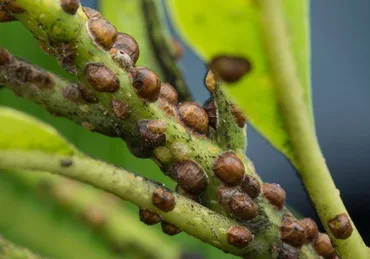
Mealybugs

This pest appears as small white cottony clusters in leaf axils, on stems, and sometimes on roots, often causing distorted growth and sticky honeydew.

Solution

Isolate the plant, then dab visible insects with cotton swabs dipped in 70% isopropyl alcohol and gently wipe affected areas. Repeat weekly, shower the plant with lukewarm water to dislodge remaining insects, and use a labeled insecticidal soap or neem oil spray if the infestation persists, ensuring good coverage of leaf undersides and crevices.

Aphids

These insects cluster on soft new growth and flower buds, sucking sap and leading to curled leaves, sticky honeydew, and reduced flowering.

Solution

Rinse the plant under a gentle stream of water to knock off colonies, then treat tender shoots and flower stems with insecticidal soap, ensuring full coverage. Check nearby plants, repeat treatment every 5–7 days until no aphids are seen, and avoid excess nitrogen fertilization that encourages very soft, aphid-prone growth.

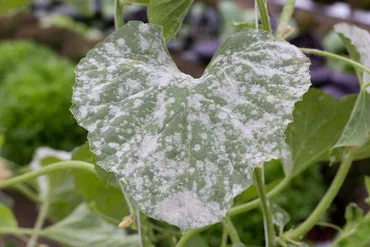
Powdery mildew

This disease shows as white or gray powdery patches on leaves and stems, often starting on older foliage and spreading in dry, stagnant air conditions.

Solution

Remove heavily affected leaves and increase air movement around the plant by spacing it away from others and avoiding overcrowded shelves. Keep foliage dry, avoid misting, and apply a sulfur-based or potassium bicarbonate fungicide labeled for houseplants if the disease continues to spread, following the product directions closely.

Oedema

Symptoms include small corky, tan to brown bumps or blisters on the undersides of leaves, caused by the plant taking up more water than it can transpire under cool, humid, or low-light conditions.

Solution

Allow the soil to dry more thoroughly between waterings, provide brighter light, and maintain stable, moderate room temperatures. Damaged leaf tissue will not heal, but new growth should emerge normal once watering and light are adjusted as part of general Kalanchoe blossfeldiana care.

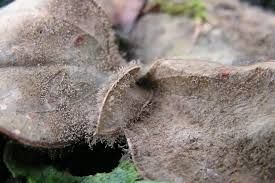
Botrytis blight

This disease causes soft, water-soaked spots on leaves or flowers that quickly develop gray, fuzzy mold, especially in cool, humid, low-airflow conditions.

Solution

Remove and discard all affected flowers and leaves, improve ventilation, and avoid overhead watering or water sitting on foliage and blooms. If conditions remain favorable for spread, use a houseplant-safe fungicide labeled for Botrytis and prevent future outbreaks by keeping old spent flowers trimmed off and the plant in a drier, well-ventilated spot.

Interesting Facts

Naturally short-day bloomer

This species initiates flowering only when nights are long enough, typically after about 6 weeks of uninterrupted long nights, which is why it is commercially forced to bloom in winter and early spring.

Compact growth from breeding

Modern forms are the result of intensive breeding in Germany and the Netherlands since the 1950s to create compact plants with dense clusters of flowers that hold well in indoor conditions.

Long-lasting individual flowers

Each individual flower can remain attractive for several weeks, which allows the whole inflorescence to stay colorful for a notably long period compared with many other ornamental houseplants and contributes to practical Flaming Katy indoor care.

Botan icon

Did you know?

The original wild populations of this species are native to rocky, sun-exposed slopes in Madagascar, where it grows as a small perennial subshrub in well-drained, mineral-rich soils rather than in lush tropical forest, which explains its strong preference for bright light and low to moderate watering in cultivation.

FAQs about Flaming Katy

Lack of blooms usually comes from too much light at night, insufficient light by day, or excessive nitrogen fertilizer. Give a short-day period with long, uninterrupted nights and avoid high-nitrogen feed to trigger flower bud formation.

Grow Healthy Plants with Botan Care

Keep your plants happy and healthy with plant identification, disease detection, and easy care guidance.

Botan plant care app — identify plants on mobile

Explore More Plants