


Rotate For Balance
Rotate the pot 90° every 2–3 weeks so the stems do not lean toward the light and the plant develops a stable, evenly weighted structure that is less likely to topple.

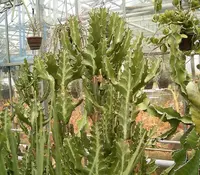
Mottled spurge (Euphorbia lactea) is a succulent shrub best known for its sculptural, candelabra-like stems patterned with gray-green and creamy white markings. It often has short spines along the ridges and may be grafted into unusual coral-like forms for ornamental use.
This species is native to arid, subtropical regions of India and Sri Lanka, where it grows in hot, dry conditions with intense sun. It stores water in its thick stems and is sensitive to cold and overwatering, which makes it better suited to indoor or greenhouse cultivation in cooler climates.
Light, fast-draining soil, and careful watering are the main factors that influence how to care for Mottled spurge successfully.

Care Difficulty
Moderate Care

Light Preference
Bright Indirect Light

Water Requirements
Low Water

Temperature Preference
Tropical / Frost Sensitive

Hardiness Zone
10–11

Soil Texture
Sandy, Loamy, Rocky

Soil pH
Slightly acidic (6.5–7.0), Neutral (7.0)

Soil Drainage
Well-drained

Fertilization
Minimal (feed rarely)
Scan your plant to receive care tips personalized for your specific plant
Available on iOS and Android
This succulent prefers bright, indirect light with some direct sun while avoiding harsh extremes.
This drought-tolerant species stores water in its stems and needs infrequent but thorough watering.
This plant prefers warm, stable conditions and is sensitive to cold and frost.
This species handles typical indoor humidity and rarely needs special adjustment.
This succulent needs a sharply draining, mineral-based mix to keep roots healthy.
This species is well suited to container growing due to its slow root expansion and upright habit.
Euphorbia lactea benefits from light, controlled feeding to support steady growth without forcing soft, weak tissue in this succulent shrub.
Pruning Euphorbia lactea is mainly used to control size, improve structure, and remove damaged tissue while managing its caustic sap safely.
Container-grown Euphorbia lactea prefers infrequent repotting, as a slightly root-bound condition helps maintain stable, compact growth.
Euphorbia lactea is most often propagated from stem cuttings, but handling its latex sap and rot risk requires careful technique.
Euphorbia lactea is frost-sensitive and needs controlled temperatures and dryness during winter in most climates.

Plant Health Check
Not sure what's wrong with your plant? Check your plant's health inside the app.
This species is native to arid and semi-arid regions of India, Sri Lanka, and nearby areas, where it often forms low, drought-tolerant hedges and scrub vegetation rather than forest plants.
Its white milky sap contains irritating diterpenoid esters that can cause severe skin and eye irritation and should never be allowed to contact mucous membranes or open cuts.
Many ornamental plants sold as coral cactus are actually crested or fan-shaped forms of this species grafted onto a different Euphorbia rootstock, creating a single plant made from two genetically distinct individuals.

In its native range, this species is so tolerant of heat, drought, and poor, rocky soils that it is sometimes used as a living fence, forming dense, spiny barriers that require minimal maintenance once established.
The milky sap is irritating and potentially toxic if ingested. It can cause mouth and stomach upset in pets and humans, and skin or eye irritation. Always wear gloves, avoid contact, and keep it away from children and animals.
Keep your plants happy and healthy with plant identification, disease detection, and easy care guidance.

 POPULAR
Silver Monstera
Monstera siltepecana
Pine cone plant
Euphorbia bupleurifolia
Elephant's Ear
Alocasia 'Tiny Dancers'
-1-200x132.webp) POPULAR
POPULARPonytail Palm
Beaucarnea recurvata
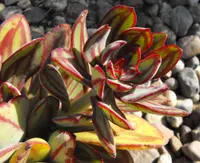
Painted Echeveria
Echeveria nodulosa
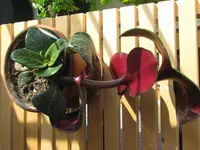
Crassula streyi
Crassula streyi
 POPULAR
Canary Island date palm
Phoenix canariensis
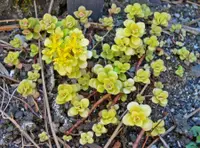
Golden Japanese Stonecrop
Sedum makinoi