Chain Cactus Care (Rhipsalis paradoxa)

About Chain Cactus

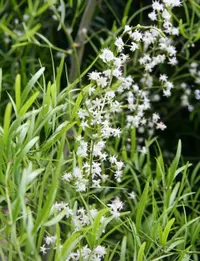
Chain cactus, Rhipsalis paradoxa, is an epiphytic cactus that naturally grows on trees in tropical forests of Brazil. It forms long, jointed, hanging stems that resemble green chains. Mature plants develop dense, cascading curtains of segmented stems, sometimes with small, whitish flowers and later tiny berries. This makes it well suited for hanging baskets and high shelves indoors. As a forest cactus, it prefers bright, indirect light, moderate moisture, and a loose, well-draining mix. Its tolerance for typical indoor humidity and its generally slow, steady growth habit make it relatively easy to care for Chain Cactus.

Main Plant Requirements

Care Difficulty

Moderate Care

Light Preference

Bright Indirect Light

Water Requirements

Moderate Water

Temperature Preference

Tropical / Frost Sensitive

Hardiness Zone

11–12

Soil Texture

Sandy, Loamy, Organic-rich

Soil pH

Acidic (5.5–6.5), Slightly acidic (6.5–7.0)

Soil Drainage

Moist but well-drained

Fertilization

Light (every 4–6 weeks)

Get Personalized Care Plan

Scan your plant to receive care tips personalized for your specific plant

Personalized Care in the App

Available on iOS and Android

How to Care for the Chain Cactus

This epiphytic cactus prefers bright, indirect light that mimics dappled forest conditions.

  • Provide 6–8 hours of bright, filtered light each day, such as near an east or north-facing window or under light shade outdoors.
  • Tolerates partial shade, but very dim positions cause thin, pale growth and sparse stems in Chain Cactus over time.
  • Avoid harsh midday or strong afternoon sun; direct exposure through glass or outdoors can scorch stems, especially in summer, so shift to lighter shade during the brightest months.

This species likes lightly moist, fast-draining conditions rather than the deep-drying cycle of desert cacti.

  • Water when the top 2–3 cm of soil feels dry, using thorough soaking and then allowing excess to drain away completely.
  • Reduce watering in cooler, darker months, allowing the top 3–5 cm to dry; in warm, bright periods, drying may occur more quickly and watering intervals shorten.
  • Watch for signs: yellow, mushy stems and a sour smell suggest overwatering and poor drainage, while thin, wrinkled, or crisp stems indicate underwatering or prolonged dryness.

This tropical forest cactus prefers stable, mild temperatures without frost or extreme heat swings.

  • Aim for 65–80°F (18–27°C) for steady growth, keeping it in the warmer end of this range during active spring and summer growth.
  • Protect from cold; growth slows below 55°F (13°C), and damage occurs near 40°F (4°C), so avoid exposure to frost or chilly drafts.
  • In heat above 85°F (29°C), increase airflow and shade from intense sun to prevent stress, limp stems, and faster drying of the potting mix.

This epiphytic cactus prefers moderately humid air but usually adapts to typical home conditions.

  • Aim for 40–60% humidity to keep stems plump and minimize tip dieback.
  • It tolerates short dry spells, but very dry air plus heat can cause shriveling segments and browning tips.
  • Increase humidity with a nearby pebble tray or grouping plants together rather than misting heavily, which can encourage fungal spots.

Rhipsalis paradoxa grows best in a loose, airy mix that drains quickly yet holds light, even moisture.

  • Use a blend such as 40% fine bark, 30% cactus mix, 20% perlite, and 10% coco coir for structure and aeration.
  • Aim for slightly acidic to neutral pH, around 5.5–7.0, which supports nutrient availability and healthy root function.
  • Ensure the mix feels springy, not compacted; coarse particles like bark and perlite prevent suffocation of the fine feeder roots.
  • Avoid heavy clay-based mixes or those dominated by peat that stay wet for days, as these promote root rot and stem collapse.

This species is very suitable for container growth, including hanging baskets.

  • Choose a wide, shallow pot to match its spreading, cascading roots and keep the center from staying overly wet.
  • Use a stable, heavier container or weighted hanger so the trailing stems do not tip the plant when long and full.
  • Select slightly porous materials like unglazed ceramic when extra evaporation is needed, or glazed pots when conditions are already quite dry.

Rhipsalis paradoxa benefits from light, consistent feeding during the active growing season to support healthy, trailing growth.

  • Use a balanced liquid fertilizer (around 10-10-10 or 20-20-20) diluted to 1/4–1/2 strength, suitable for epiphytic cacti or houseplants.
  • Apply every 4–6 weeks in spring and summer when the Chain Cactus is actively producing new segments.
  • Pause feeding in late fall and winter, or limit to 1 very light application if growth continues under strong indoor light.
  • Avoid heavy compost or slow-release pellets that stay soggy around the roots; this species prefers a lean, airy mix.

Pruning Rhipsalis paradoxa is mainly used to manage length, improve shape, and remove weak growth.

  • Plan the main pruning in late winter to early spring, just before vigorous growth resumes.
  • Use clean, sharp scissors or snips to remove dead, damaged, or shriveled segments at the node where they join healthy stems.
  • Shorten overly long or crowded chains to encourage branching and a fuller, more balanced hanging form.
  • Avoid hard cutting back into thick, woody bases; instead, thin gradually over time to maintain plant health.

Repotting Rhipsalis paradoxa is infrequent but helpful once the root system fills the container or growth slows noticeably.

  • Check for roots circling the pot, pushing through drainage holes, or very rapid drying of the mix as signs it needs more space.
  • Plan repotting in spring, every 2–3 years, stepping up only 2–3 cm in pot diameter to keep the root zone airy.
  • Use a shallow pot with excellent drainage and a chunky mix for epiphytic cacti, then handle roots gently to avoid breaking fine root hairs.
  • After repotting, water lightly, keep in bright indirect light, and avoid fertilizing for 2–3 weeks to reduce transplant stress.

Rhipsalis paradoxa is most commonly propagated from stem cuttings taken from healthy, mature chains.

  • Take 1–2 segment cuttings in spring or early summer, using clean scissors to avoid crushing tissue.
  • Let cut ends dry and callus for 1–2 days, then place slightly inserted into a moist, well-draining cactus or epiphyte mix.
  • Provide bright, indirect light, warmth around 70–80°F, and lightly moist (not wet) substrate to encourage rooting.
  • Once new growth appears and resistance is felt when tugged, pot cuttings individually and resume normal watering.

Rhipsalis paradoxa is frost-sensitive and needs mild, protected conditions during winter, especially in temperate climates.

  • Keep indoor temperatures around 60–75°F, avoiding cold drafts from windows or doors.
  • Move outdoor containers indoors before temperatures drop near 40°F, placing them in bright, indirect light.
  • Water less in winter, allowing the mix to dry slightly deeper, while never remaining fully dry for long periods.
  • Avoid cold, wet soil by using a very free-draining mix and emptying saucers after watering.

Care Tips

Encourage Fuller Growth

Pinch or trim overly long, bare chains just above a branching point at the start of spring to stimulate side shoots and create a denser, more balanced hanging plant.

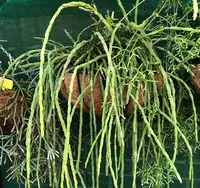
Rotate Hanging Basket

Rotate the pot by 90° every 2–3 weeks so light reaches all sides evenly, which helps prevent lopsided growth and reduces strain on older stems.

Support Heavy Stems

If older chains become woody or kinked near the base, rest them on the rim of the pot or on a clean wire hoop so their weight is distributed and stems are less likely to break.

Use Gentle Cleaning

Rinse chains occasionally with lukewarm water from a soft spray or shower to remove dust and spider mite webs, then let the plant drain thoroughly before rehanging.

Plan Safe Repotting

When repotting, lower the plant into a slightly larger hanging pot, arranging the chains in loose circles on top of the mix to avoid tangling, which makes caring for Chain Cactus easier over time.

Common Pests and Diseases

Mealybugs

This pest hides in stem joints and along the ribbed chains, feeding on plant sap and leaving white, cottony clusters. Symptoms include slow growth, limp segments, and sticky honeydew on hanging stems or nearby surfaces.

Solution

Isolate the plant, then dab visible mealybugs with cotton swabs dipped in 70% isopropyl alcohol and rinse the stems under a gentle shower. For heavier infestations, repeat alcohol treatments weekly and use a light, ready-to-use insecticidal soap, making sure the chains dry quickly afterward to avoid prolonged leaf wetness.

Soft scale

These insects appear as small, tan to brown bumps along the segmented stems and at attachment points of the chains. Symptoms include yellowing sections, sticky honeydew, and sooty mold developing on hanging stems in more humid indoor spaces.

Solution

Remove infested segments or gently scrape off individual scales with a fingernail or soft brush, then wipe stems with a cloth lightly moistened with diluted alcohol. Follow up with 1–2 applications of horticultural oil or insecticidal soap at 7–10 day intervals, ensuring thorough coverage of all sides of the pendant stems while keeping the plant out of direct sun until dry.

Spider mites

These insects are favored by dry indoor air and strong light, causing pale speckling and a dull, grayish cast on the thin, hanging stems. Symptoms include very fine webbing where chains branch and an overall tired appearance despite normal watering.

Solution

Rinse the entire plant under a gentle lukewarm shower, focusing on the junctions where chains fork, then let it drain and dry in bright, indirect light. Increase humidity to a moderate 40–60%, avoid hot, dry drafts, and repeat washing or use an insecticidal soap spray every 5–7 days until new growth appears clean, which is a key part of Rhipsalis paradoxa care instructions.

Fungal stem rot

This disease affects moisture-stressed plants, causing water-soaked, dark patches on segments and sudden collapse of chain sections, often starting near the potting mix line. Symptoms include mushy, foul-smelling areas and segments that detach easily with a gentle tug.

Solution

Cut away all affected segments back to firm, healthy tissue and discard them, then allow the remaining plant to dry slightly more between waterings. Improve drainage with a very airy, chunky epiphytic mix, reduce watering frequency, and increase airflow around the hanging stems to keep the plant surface dry after watering.

Edema

This physiological disorder is triggered when roots take up water faster than the stems can use it, especially in cool, low-light conditions. Symptoms include small corky blisters or rough, raised spots on older segments, often on plants kept constantly moist in heavy soil.

Solution

Allow the top of the potting mix to dry more between waterings and avoid watering late in the day when temperatures drop. Use a loose, free-draining mix, provide brighter indirect light, and keep temperatures stable so the plant uses water at a steadier rate, which prevents further edema even though existing marks will remain.

Interesting Facts

Segment twisting habit

The stems are made of flat, chain-like segments that twist slightly as they grow, creating a characteristic zigzag or corkscrew appearance that distinguishes it from other Rhipsalis species.

Rainforest cactus epiphyte

This species is native to Atlantic coastal rainforests of Brazil, where it grows as an epiphyte on tree branches in shaded, humid environments rather than in deserts on the ground.

Specialized bird dispersal

Its small white flowers develop into translucent, pale berries that are eaten by birds, which then disperse the seeds onto tree bark and branch crevices, helping maintain its canopy-dwelling populations.

Botan icon

Did you know?

Unlike many cacti, this species performs best in relatively low light and high humidity conditions under tree canopies, making it one of the few true rainforest cacti adapted to life in the shaded mid- and upper forest layers.

FAQs about Chain Cactus

Lack of blooms usually comes from insufficient light, heavy fertilizing, or no slight winter rest. Provide bright, indirect light, lean, well-drained substrate, and slightly cooler, drier conditions in winter to stimulate flower formation.

Grow Healthy Plants with Botan Care

Keep your plants happy and healthy with plant identification, disease detection, and easy care guidance.

Botan plant care app — identify plants on mobile

Explore More Plants