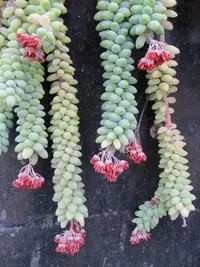
Coppertone Stonecrop Care (Sedum adolphi)

About Coppertone Stonecrop

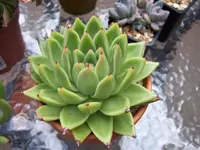
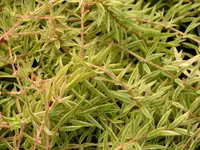
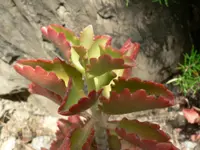
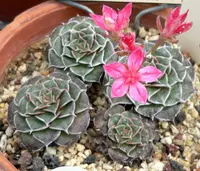
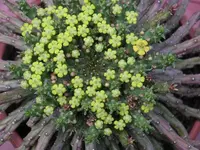
Coppertone stonecrop (Sedum adolphi) is a small, sun-loving succulent from Mexico. It forms low, spreading clusters of fleshy leaves that turn coppery orange in strong light. Stems often trail or gently spill over pot edges, so it suits containers, hanging baskets, and rock gardens. The plant may produce small, star-shaped white flowers when mature and well lit. This species is valued for its drought tolerance and ability to handle bright, direct sun, which makes it straightforward to care for Coppertone Stonecrop in most indoor and outdoor settings. It prefers well-drained, gritty soil and infrequent watering, which reduces the risk of rot for beginner growers.

Main Plant Requirements

Care Difficulty

Easy Care

Light Preference

Full Sun

Water Requirements

Low Water

Temperature Preference

Warm Climate

Hardiness Zone

9–11

Soil Texture

Sandy, Loamy, Rocky

Soil pH

Slightly acidic (6.5–7.0), Neutral (7.0)

Soil Drainage

Well-drained

Fertilization

Minimal (feed rarely)

Get Personalized Care Plan

Scan your plant to receive care tips personalized for your specific plant

Personalized Care in the App

Available on iOS and Android

How to Care for the Coppertone Stonecrop

This succulent thrives in bright light and needs several hours of direct sun to keep compact and colorful.

  • Provide 4–6 hours of direct morning sun, with light afternoon shade in hotter regions to prevent leaf scorch on Coppertone Stonecrop.
  • In mild climates, it tolerates full sun all day; in very hot, dry areas, give filtered light or dappled shade after 2–3 pm.
  • In partial shade it survives but may stretch and lose orange tones; move gradually to brighter light, especially from late winter to spring.

This drought-tolerant succulent prefers deep, infrequent watering and fast-drying soil.

  • Water only when the top 3–5 cm of soil are completely dry, then soak thoroughly so excess drains away.
  • Reduce watering sharply in fall and winter, allowing soil to stay dry for longer stretches to prevent root rot in Sedum adolphi.
  • Watch leaves as guides: mushy, translucent, or dropping leaves signal overwatering, while wrinkled, thin leaves indicate the plant needs water.

This species prefers warm, dry conditions and dislikes prolonged cold or frost.

  • Aim for 65–80°F (18–27°C) during active growth, which supports steady, compact development.
  • Protect from freezing; it is damaged below about 30°F (-1°C) and should be sheltered or covered if frost is forecast.
  • In hot spells above 90°F (32°C), it tolerates heat if soil drains well, but benefits from light afternoon shade and good airflow.

This species handles typical indoor humidity well and rarely needs special moisture in the air.

  • Target 30–50% air humidity, similar to most heated homes, to keep foliage firm and compact.
  • Dry air is usually tolerated; issues appear more from overwatering than from low ambient humidity in Coppertone Stonecrop.
  • If leaf tips shrivel while soil stays dry, mist lightly once, improve air circulation, and prioritize correct watering over humidifiers.

Sedum adolphi prefers a sharply draining, mineral-rich substrate that dries quickly between waterings.

  • Use a gritty mix such as 50–60% cactus mix combined with coarse sand, pumice, or perlite to prevent water retention around roots.
  • Aim for loose, crumbly structure rather than dense loam so air can move easily through the root zone.
  • Keep pH slightly acidic to neutral (about 6.0–7.0), avoiding high-salt or heavily fertilized commercial mixes.
  • Avoid compacted, peat-heavy, or clay-based substrates that stay wet, and always test drainage so water exits the pot within seconds.

This succulent is well suited to container growing, both indoors and outdoors in mild climates.

  • Choose a shallow, wide pot to match its spreading habit and reduce the risk of water sitting in the central root zone.
  • Use unglazed terracotta if extra evaporation is needed in cool or dim locations, as it speeds drying of the root area.
  • Elevate the container slightly on pot feet or stones so drainage holes stay clear and runoff can escape freely after watering.

Sedum adolphi needs only light feeding to maintain compact growth and healthy foliage.

  • Use a balanced liquid fertilizer at 1/4–1/2 strength or a light top-dressing of compost in spring.
  • Feed once at the start of the growing season; a second light feeding in midsummer is usually enough.
  • Avoid high-nitrogen products that cause weak, leggy growth and reduce color intensity.
  • Stop feeding in fall and winter when growth slows, especially for Coppertone Stonecrop indoor care.

Sedum adolphi responds well to light pruning that maintains shape and prevents legginess.

  • Best time is late winter to early spring, before strong new growth starts.
  • Use clean, sharp scissors or snips to remove dead, damaged, or stretched stems.
  • Shorten long, trailing shoots to encourage branching and a fuller mound of foliage.
  • After flowering, trim spent flower stalks to keep the plant tidy and direct energy to vegetative growth.

This succulent prefers infrequent repotting, with attention to root health and well-drained soil.

  • Repot every 2–3 years or when roots circle the pot, drainage slows, or growth becomes weak.
  • Aim for late winter to early spring so Sedum adolphi enters its growth phase in fresh soil.
  • Choose a shallow pot with drainage and a gritty cactus or succulent mix to limit water retention.
  • Gently loosen circling roots, remove rotted portions, replant at the same depth, then water lightly after 3–5 days.

Sedum adolphi is commonly multiplied from cuttings and divisions under warm, bright conditions.

  • Take short stem cuttings or individual leaves in spring or early summer for fastest rooting.
  • Allow cut surfaces to dry and callus 1–3 days before placing on slightly moist, gritty mix.
  • Keep cuttings in bright, indirect light with good airflow and minimal watering until roots form.
  • For division, separate offsets from the main clump, retain some roots, and replant in well-drained soil.

This succulent is only lightly frost tolerant and benefits from simple winter precautions in cold regions.

  • In USDA zones warmer than 9, plants in the ground usually overwinter with minimal intervention.
  • In cooler climates, move containers indoors before nights drop near 32°F and provide bright light.
  • Use dry, gritty soil and reduce watering so roots stay on the dry side during cold periods.
  • Outdoors in mild areas, a thin gravel mulch around the crown helps keep stems dry and less exposed to freeze–thaw cycles.

Care Tips

Encourage Compact Form

Rotate the pot by 90° every 1–2 weeks so all sides receive similar light, which keeps stems short, sturdy, and prevents the plant from leaning or getting leggy.

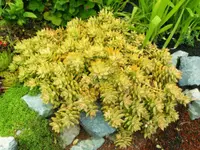
Safe Stem Support

If trailing stems become top-heavy, pin them gently onto the soil surface with clean plant pins or bent paperclips so they root along the nodes and create a fuller, more stable mat of growth.

Sun-Adjustment Routine

Before moving the plant outdoors in spring, increase light over 10–14 days by gradually shifting it closer to a bright window or into dappled outdoor shade to avoid sun scorch on the fleshy leaves.

Propagation Refresh

When older stems look bare at the base, cut and re-root healthy tips in the same pot, spacing them 2–3 in apart, to rejuvenate the planting and maintain a dense, even display.

Winter Rest Management

In winter, keep the plant in the brightest possible spot and promptly remove weak, pale stems so the plant directs energy to firm, colored shoots, which supports long-term success when caring for Coppertone Stonecrop.

Common Pests and Diseases

Mealybugs

This pest appears as small white cottony clusters in leaf axils and along stems, often causing distorted growth and sticky honeydew on leaves.

Solution

Isolate the plant, then dab visible insects with cotton swabs dipped in 70% isopropyl alcohol and rinse the foliage with a gentle water spray; repeat weekly until no new clusters appear. For heavier infestations, use a ready-to-use insecticidal soap or neem oil, applied in the evening and repeated according to label directions while reducing excess fertilizer that drives soft new growth.

Aphids

These insects gather on tender shoot tips and flower stalks, sucking sap and causing curling, yellowing, and stunted new growth, often accompanied by sticky residue.

Solution

Spray the plant with a firm stream of water to dislodge colonies, focusing on undersides of leaves and growing tips, and repeat every few days as needed. If populations persist, apply insecticidal soap or a light neem oil spray, and remove heavily infested soft tips to reduce crowding and hiding spots.

Spider mites

This pest causes fine speckling on leaves, dulling the usual leaf color and sometimes leaving very fine webbing between stems in hot, dry conditions.

Solution

Increase humidity around the plant slightly and hose the foliage thoroughly, especially leaf undersides, to wash off mites and webs. Follow with repeated applications of insecticidal soap or horticultural oil at 5–7 day intervals, placing the plant in bright, indirect light while it recovers and avoiding heat stress.

Powdery mildew

This disease produces white to gray powdery patches on leaves and stems, which can lead to dull, distorted, or prematurely shriveled foliage under crowded or poorly ventilated conditions.

Solution

Improve air circulation, avoid wetting leaves late in the day, and thin or divide overcrowded clumps to reduce humidity around the foliage. Remove and discard the most affected leaves, then apply a sulfur-based fungicide or potassium bicarbonate product labeled for ornamentals, repeating as directed if humid conditions persist.

Bacterial leaf spot

Symptoms include small water-soaked or translucent spots on leaves that may turn dark, sunken, and sometimes surrounded by a yellow halo, especially after splashing irrigation or heavy rain on dense foliage.

Solution

Remove and discard infected leaves, reduce overhead watering, and water at the soil level to keep foliage dry. Improve spacing and airflow around the plant, disinfect cutting tools with 10% bleach or 70% alcohol, and avoid taking cuttings from symptomatic plants to limit spread while focusing on general Sedum adolphi plant care that favors dry, bright conditions.

Interesting Facts

Sun-triggered leaf bronzing

This species develops its characteristic coppery-orange leaf tips only under strong light, while the same plant stays mostly green in lower light, showing clear phenotypic plasticity in its leaf pigmentation.

Natural cliff-dweller

In its native range in Mexico, this succulent often grows on rocky slopes and cliffs, rooting in thin crevices where organic matter and moisture are very limited.

Day-blooming star flowers

It produces small, star-shaped white to creamy-yellow flowers that open in the daytime and are visited by various small pollinating insects, contributing to local pollinator networks in dry habitats.

FAQs about Coppertone Stonecrop

Leggy, stretched stems usually result from insufficient light or older growth. Provide brighter exposure, rotate the pot regularly, and lightly prune elongated stems. Pruning stimulates new side shoots and keeps the plant denser and more compact.

Grow Healthy Plants with Botan Care

Keep your plants happy and healthy with plant identification, disease detection, and easy care guidance.

Botan plant care app — identify plants on mobile

Explore More Plants