Spineless yucca Care (Yucca gigantea)

Also known as: giant yucca, Izote

About Spineless yucca

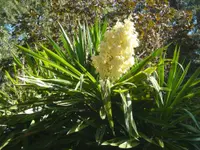
Spineless yucca (Yucca gigantea) is a woody, evergreen shrub or small tree grown mainly as a tough indoor foliage plant. It forms thick canes topped with rosettes of long, sword-like leaves that lack the sharp spines found on many other yuccas.

In nature, it comes from dry, subtropical regions of Central America, where it grows on rocky, well-drained slopes. Its slow growth, strong structure, and tolerance of indoor conditions make it suitable for beginners who want to care for Spineless yucca.

It prefers bright light, modest watering, and a free-draining soil mix, and it usually adapts well to typical home temperatures and humidity when not overwatered.

Main Plant Requirements

Care Difficulty

Easy Care

Light Preference

Partial Sun

Water Requirements

Low Water

Temperature Preference

Tropical / Frost Sensitive

Hardiness Zone

9–11

Soil Texture

Sandy, Loamy, Rocky

Soil pH

Slightly acidic (6.5–7.0), Slightly alkaline (7.0–7.5)

Soil Drainage

Well-drained

Fertilization

Minimal (feed rarely)

Get Personalized Care Plan

Scan your plant to receive care tips personalized for your specific plant

Personalized Care in the App

Available on iOS and Android

How to Care for the Spineless yucca

Yucca gigantea prefers bright, direct light but adapts to a range of sun exposures if changes are gradual.

  • Provide 4–6 hours of direct sun daily, ideally with morning or late-afternoon sun and some protection from harsh midday summer sun in hot climates.
  • Tolerates light partial shade, but growth becomes looser and leaves may lean toward the light if sun drops below about 3–4 hours per day.
  • Outdoors, site Spineless yucca in an open, south- or west-facing position; indoors, place near a south or west window, rotating every few weeks to prevent lopsided growth.

Yucca gigantea is drought-tolerant and needs less frequent watering than most foliage plants.

  • Allow the top 5–8 cm of soil to dry before watering; in fast-draining soil this often means watering only after the leaves begin to feel slightly less firm.
  • In warm growing seasons, expect more frequent watering, while in fall and winter watering may drop to every few weeks if the soil stays cool and dries slowly.
  • Use sharply draining soil and a site that never pools water; yellowing, soft leaves and a rotting crown signal overwatering, while crisp browning leaf tips usually indicate prolonged dryness.

This species prefers warm, stable conditions and tolerates heat better than cold.

  • Optimal growth occurs around 65–85°F (18–29°C), with slightly cooler nights improving overall plant resilience.
  • Mature plants generally tolerate short drops to about 30–32°F (-1–0°C), but repeated frost damages leaves and young growing tips.
  • In heat above 95°F (35°C), provide airflow and, if potted, shade the container to keep roots cooler; avoid sudden moves between very warm and near-freezing conditions to reduce stress.

This species handles household humidity well and rarely needs special adjustments.

  • Target 30–50% humidity; typical indoor air in heated or cooled homes is usually sufficient for Spineless yucca.
  • Leaves curling inward or browning at tips usually relate more to watering or temperature stress than low humidity.
  • If air is extremely dry below 25%, place the pot away from heating vents and add a nearby tray of water and pebbles.

Yucca gigantea prefers a gritty, fast-draining mix that mimics sandy, arid soils.

  • Use a mix of roughly 50–60% cactus or succulent mix with 40–50% mineral components such as coarse sand, perlite, or small pumice.
  • Ensure water drains through within seconds, and avoid any mix that stays wet or sticky longer than 2–3 days.
  • Aim for slightly acidic to slightly alkaline pH, around 6.0–7.5, which most commercial cactus mixes already provide.
  • Avoid heavy clay, peat-heavy, or compacted potting mixes; add extra perlite or grit to improve aeration and reduce root rot risk.

This species is well suited to container growing when the pot supports its tall, top-heavy form.

  • Choose a wide, heavy-bottomed pot to reduce tipping risk as the stem elongates and foliage mass increases.
  • Select a container material that matches your climate, such as heavier ceramic to stabilize moisture in hot, bright spots.
  • Leave a small air gap below the root ball by using a drainage layer of large shards or feet under the pot so water exits quickly.

Yucca gigantea grows well with modest feeding during the warm growing season.

  • Apply a balanced liquid fertilizer (such as 10-10-10) at 1/2 strength every 4–6 weeks in spring and summer.
  • Use a slow-release granular fertilizer or a thin layer of compost on the soil surface for steady nutrients.
  • Skip or greatly reduce feeding in fall and winter when growth slows.
  • Ensure soil is moist before applying fertilizer to lower the risk of root burn when caring for Spineless yucca.

Pruning helps keep Yucca gigantea safe, compact, and well-shaped indoors or outdoors.

  • Best time is late spring to midsummer when growth is active and recovery is faster.
  • Remove dead, damaged, or crossing leaves and stems with clean, sharp pruners.
  • Shorten tall canes above a node to control height and encourage branching.
  • Cut old flower stalks at the base once spent to maintain a tidy appearance.

Container-grown Yucca gigantea tolerates being root-bound but benefits from occasional repotting or transplanting.

  • Look for roots circling the pot, pushing through drainage holes, or slow, weak growth as signals to repot.
  • Plan to move the plant to a slightly larger container every 3–4 years, ideally in spring or early summer.
  • Gently loosen circling roots, trim broken ones, and set in fresh, gritty, well-draining mix to limit stress.
  • Water lightly after repotting, then let the top soil dry between waterings to prevent rot while roots re-establish.

New Yucca gigantea plants are most often produced from stem and offsets rather than from seed.

  • Take 10–20 cm stem cuttings or offsets in late spring or summer using a clean, sharp knife.
  • Let cut surfaces dry and callus for 1–3 days before planting to reduce rot risk.
  • Plant cuttings in a coarse, fast-draining mix, keeping it barely moist and warm (70–80°F).
  • Provide bright, indirect light and avoid overwatering until strong new roots and shoots appear.

In mild climates, Yucca gigantea needs only light winter care, but freezing conditions require extra attention.

  • This species is damaged by hard frost and does best where temperatures stay above about 25°F.
  • Move container plants indoors or to a sheltered, bright, cool room before prolonged freezes.
  • Outdoors, apply a 5–8 cm mulch layer around the root zone, keeping it slightly away from the trunk.
  • In very cold snaps, wrap the main stem and crown with breathable frost cloth or burlap.

Care Tips

Stabilize Tall Canes

Anchor tall stems in large containers by placing the pot inside a heavier cachepot or weighted basket to prevent tipping as the crown becomes leaf-heavy.

Rotate For Even Canopy

Turn the container 90° every 2–4 weeks so the stems thicken evenly and do not lean strongly toward one light source, which reduces the need for corrective staking later.

Encourage Multi-Stemming

If a single cane becomes too tall, cut it back in late spring and use a rooting hormone on 10–15 cm sections, which often resprout from the base and from cut pieces to create fuller plants.

Salt Buildup Management

Every 2–3 months, slowly run water through the pot until it drains freely from the bottom to flush out accumulated salts that can cause leaf tip burn on this relatively drought-tolerant species.

Prevent Leaf Edge Damage

When placing the plant near doorways or narrow walkways, allow 30–45 cm of clearance around the rosette so stiff leaves are not repeatedly bent or torn by passing traffic while caring for Spineless yucca.

Common Pests and Diseases

Yucca weevil

This pest bores into the stem and crown, causing yellowing, wilting, and eventual collapse of the growing point. Symptoms include frass (sawdust-like material) and soft, rotten tissue inside the trunk.

Solution

Cut out and discard all affected, soft, or tunneled stem tissue and destroy any larvae or adults found. Improve plant vigor with correct watering and light, keep the crown area dry, and in outdoor settings consider using a targeted systemic insecticide labeled for weevils if infestation is ongoing.

Scale insects

These insects attach to leaves and stems as small brown, gray, or white bumps and suck sap, leading to yellowing, sticky honeydew, and sooty mold growth. Heavy infestations can weaken the plant over time.

Solution

Physically remove scales by gently scraping with a soft tool or wiping with cotton pads dipped in 70% isopropyl alcohol, then rinse the foliage. For persistent problems, use repeated applications of horticultural oil or insecticidal soap, making sure to fully coat leaf bases and undersides.

Spider mites

These pests cause fine stippling on leaves, a dull or dusty appearance, and sometimes fine webbing between leaves, especially in hot, dry indoor air. Left unchecked, they can cause leaf bronzing and premature leaf drop.

Solution

Rinse foliage thoroughly with lukewarm water, including leaf bases, to knock down mites, and increase humidity slightly while maintaining good airflow. Follow up with repeated treatments of insecticidal soap or horticultural oil, focusing on the undersides of leaves and leaf axils, which is a key part of Spineless yucca indoor care.

Leaf spot

This disease causes brown, tan, or black spots on leaves, sometimes with yellow halos, starting on older or lower leaves. In humid or crowded conditions, spots may enlarge and cause sections of the leaf to die back.

Solution

Remove and discard affected leaves and any fallen debris from around the plant to reduce inoculum. Provide better air circulation, avoid wetting the leaves when watering, and if spots continue to spread, apply a fungicide labeled for ornamental leaf spot according to the product directions.

Crown and stem rot

This disease develops in the basal stem or crown when soil stays wet, leading to soft, mushy tissue, plant instability, and eventual top collapse. Symptoms include a foul odor and dark, water-soaked areas at the stem base or in cut sections.

Solution

At the first signs, reduce watering, improve drainage, and remove the plant from the pot to cut away all affected, soft tissue back to firm, healthy material, allowing cut surfaces to dry before replanting in fresh, well-draining mix. In advanced cases the plant is often not salvageable, so discard it and sanitize containers and tools before reusing.

Interesting Facts

Soft, spineless leaves

Unlike many other yucca species, this plant naturally develops largely spineless, flexible leaf tips, which is why it is commonly called spineless yucca and is safer to handle in homes and public interiors.

Massive indoor size potential

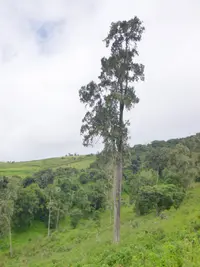
In favorable conditions it can form thick, woody canes and reach several meters in height indoors over many years, closely resembling a small tree rather than a typical houseplant.

Origin in dry forests

This species is native to semi‑arid dry forests of Central America, where it grows on rocky, well‑drained slopes and has evolved thick stems that store water and help it endure irregular rainfall, a key point in Yucca gigantea plant care.

Botan icon

Did you know?

In its native range, mature plants can produce very large, many-branched panicles of white, bell-shaped flowers high above the foliage, and these flowers are adapted for pollination by specialized yucca moths that depend on yucca plants to complete their life cycle.

FAQs about Spineless yucca

Leaf tips often brown from low humidity, excess fluoride or salts in tap water, or chronic underwatering. Older leaves naturally dry and die low on the trunk. Remove dead foliage and flush the soil occasionally to reduce salt buildup.

Grow Healthy Plants with Botan Care

Keep your plants happy and healthy with plant identification, disease detection, and easy care guidance.

Botan plant care app — identify plants on mobile

Explore More Plants