Crystal Stonecrop Care (Crassula pellucida)

About Crystal Stonecrop

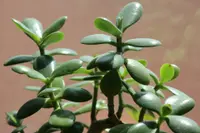
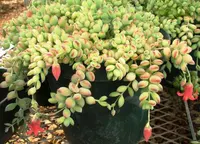
Crystal stonecrop, Crassula pellucida, is a small, trailing succulent from South Africa, often found on rocky slopes and in crevices. It forms low, spreading mats with fleshy, rounded leaves that may show pink or red tones in bright light.

The stems can cascade over pot edges, so it suits hanging containers and shallow dishes. Its compact size and slow to moderate growth make it manageable in most homes.

This species prefers bright light, good drainage, and infrequent watering, which fits typical succulent conditions. These traits make it relatively straightforward for those learning how to care for Crystal Stonecrop, as long as overwatering is avoided.

Main Plant Requirements

Care Difficulty

Easy Care

Light Preference

Partial Sun

Water Requirements

Low Water

Temperature Preference

Tropical / Frost Sensitive

Hardiness Zone

10–11

Soil Texture

Sandy, Loamy, Rocky

Soil pH

Slightly acidic (6.5–7.0), Neutral (7.0)

Soil Drainage

Well-drained

Fertilization

Minimal (feed rarely)

Get Personalized Care Plan

Scan your plant to receive care tips personalized for your specific plant

Personalized Care in the App

Available on iOS and Android

How to Care for the Crystal Stonecrop

This succulent prefers bright conditions with some protection from harsh midday sun.

  • Provide 4–6 hours of morning sun or bright, filtered light; east- or southeast-facing exposure suits Crystal Stonecrop well.
  • Allow light afternoon shade, especially in hot summers, to prevent leaf scorch and washed-out colors from intense sun.
  • If stems stretch or leaves lose color, increase light; in winter, move plants to the brightest spot available to compensate for shorter days.

Crassula pellucida prefers infrequent, deep watering with time to dry between soakings.

  • Water only when the top 2–4 cm of soil are completely dry, then soak thoroughly and let excess drain away.
  • Reduce watering in fall and winter when growth slows; in summer heat, check dryness more often but still avoid watering damp soil.
  • Watch for soft, translucent leaves or a sour smell as signs of overwatering, and for shriveled, wrinkled leaves as signs of underwatering.

This species prefers mild, frost-free conditions with stable, moderate temperatures.

  • Aim for 65–80°F (18–27°C) for active growth, with brief swings outside this range tolerated if soil is dry.
  • Protect from temperatures below 40°F (4°C); prolonged exposure near freezing or any frost can damage foliage and stems.
  • In hot spells above 90°F (32°C), give light shade and extra airflow, and avoid watering during peak heat to reduce stress and rot risk.

This succulent tolerates a wide humidity range and rarely needs special humidity control indoors.

  • Aim for 30–50% humidity, typical of most heated or air-conditioned homes.
  • Dry indoor air is usually acceptable, but prolonged exposure to very hot drafts can crisp leaf edges.
  • Humidity stress shows as soft, mushy leaves from excess moisture rather than dryness; ensure air circulation and avoid clustering Crystal Stonecrop in sealed, humid corners.

Crassula pellucida prefers a fast-draining, mineral-rich substrate that dries quickly between waterings.

  • Use a gritty mix such as 50–70% inorganic material (pumice, coarse perlite, or chicken grit) blended with 30–50% lean cactus potting mix.
  • Aim for a loose, crumbly structure that does not clump when squeezed, which improves aeration around the fine roots.
  • Target a slightly acidic to neutral pH of about 6.0–7.0, avoiding heavy lime additions unless your water is very soft.
  • Avoid dense, peat-heavy or clay-based soils that stay wet for more than 2–3 days, as this greatly increases the risk of root rot.

This species is well suited to container culture, including shallow dishes and hanging pots.

  • Choose a shallow, wide container to accommodate its spreading habit so stems can trail without crowding the root zone.
  • Select unglazed terracotta if extra evaporation is needed in humid or cool regions to keep the root zone drier.
  • Place the pot where its trailing stems do not rest on constantly wet surfaces, which can trap moisture against leaves and promote rot.

Light, periodic feeding keeps Crassula pellucida compact and healthy in containers.

  • Use a balanced liquid fertilizer (such as 10-10-10) diluted to 25–50% strength for Crystal Stonecrop.
  • Apply every 4–6 weeks during spring and summer, only on moist soil to avoid root burn.
  • Avoid compost-heavy mixes; choose low-organic, free-draining cactus or succulent fertilizer formulations.
  • Stop feeding in fall and winter, when growth slows, to prevent weak, stretched tissue.

Thoughtful pruning helps Crassula pellucida maintain a tidy, trailing form and good light exposure.

  • Best time is late winter to early spring, before strong new growth starts.
  • Use clean, sharp scissors or snips to remove dead, damaged, or shriveled stems and leaves.
  • Shorten leggy, overly long stems to a node to encourage branching and denser growth.
  • Thin crowded areas slightly so inner stems receive light and air, reducing rot risk.

Crassula pellucida prefers slightly snug pots and only occasional repotting.

  • Plan to repot every 2–3 years in spring when roots circle the pot, drainage slows, or growth declines.
  • Choose a pot only 2–3 cm wider, with large drainage holes and a gritty succulent mix.
  • Gently loosen circling roots, remove old soggy soil, and keep the root ball mostly intact.
  • After repotting, water lightly once, then allow the mix to dry well to limit transplant stress.

New Crassula pellucida plants are most commonly produced from stem or leaf cuttings.

  • Take healthy 5–8 cm stem cuttings or firm leaves in spring or early summer.
  • Allow cut surfaces to callus in dry shade for 1–2 days to reduce rot risk.
  • Place cuttings on or in barely moist, gritty succulent mix with bright, indirect light.
  • Keep humidity moderate and soil almost dry; roots usually form within a few weeks.

This succulent is frost-sensitive and needs protection in regions with cold winters.

  • Move container plants indoors before temperatures drop near 40°F, giving bright light and dry, airy conditions.
  • Keep indoor temperatures around 60–75°F and reduce watering, allowing soil to dry almost completely.
  • In mild, frost-free climates, shelter outdoor pots under cover to avoid prolonged cold, wet soil.

Care Tips

Encourage Compact Growth

Rotate the pot 1–2 times per month so all sides receive similar light, which keeps stems short, colorful, and prevents the plant from stretching toward one direction.

Rejuvenate Leggy Stems

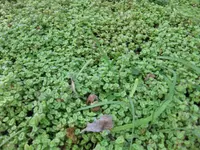
If stems become thin and bare, cut them back by 1/3–1/2 in early spring and replant the healthy tip cuttings in the same pot to create a fuller, denser mat over time.

Use Shallow Containers

Plant in a wide, shallow container rather than a deep pot, as the fine roots spread laterally, which improves stability for trailing growth and reduces the risk of overwatering in deep soil.

Protect From Heavy Rain

Outdoors, place under a covered area or move containers during prolonged rain, since sustained soaking can cause stem rot and leaf drop on this low-growing succulent.

Inspect Hidden Undersides

Regularly lift and separate trailing strands and check leaf undersides for early signs of mealybugs or scale, then treat promptly with a cotton swab dipped in isopropyl alcohol to keep the colony from spreading when caring for Crystal Stonecrop.

Common Pests and Diseases

Mealybugs

This pest feeds on leaf and stem sap, often hiding in the joints of the trailing stems and between the small leaves. Symptoms include white cottony clusters, sticky honeydew, and gradual yellowing or distortion of new growth.

Solution

Isolate the plant, then dab visible insects with cotton swabs dipped in 70% isopropyl alcohol and gently wipe along the stems and leaf pairs. For heavier infestations, rinse the plant under lukewarm water, allow it to dry fully, then apply a labeled neem oil or insecticidal soap spray weekly until no new mealybugs appear, while reducing excess nitrogen fertilization that encourages soft growth.

Aphids

These insects often cluster on tender tips and undersides of the pendant stems, sucking sap and causing curling or misshapen new leaves. Symptoms include sticky residue, distorted growth, and sometimes sooty black mold on the honeydew they excrete.

Solution

Rinse the plant thoroughly with a firm but gentle stream of water, paying attention to shoot tips and leaf undersides. After rinsing, treat with insecticidal soap or neem oil every 5–7 days for several cycles, and avoid overfertilizing so new growth stays compact and less attractive to aphids.

Soft scale

This pest appears as small, tan to brown bumps on stems and sometimes leaf surfaces, remaining fixed in place while feeding on sap. Symptoms include sticky honeydew, weak trailing stems, and reduced vigor over time.

Solution

Scrape or rub off individual scales with a fingernail or soft toothbrush, then wipe stems with a cloth lightly moistened with diluted alcohol. Follow with 2–3 rounds of neem oil or horticultural oil at 7–10 day intervals, ensuring good coverage on all stems, and keep the plant in bright, dryish conditions to discourage reinfestation.

Edema

This disorder occurs when roots absorb water faster than leaves can transpire it, which is common in fleshy-leaved Crassula grown in cool, low-light indoor spots. Symptoms include corky, tan or brown blisters or rough patches on the lower leaves, especially after episodes of overwatering or sudden light changes.

Solution

Allow the potting mix to dry more thoroughly between waterings, making sure the container drains freely and no water sits in the saucer. Improve light to bright, indirect levels and maintain stable temperatures, then remove only the most damaged leaves, as new growth will usually appear normal once watering is corrected; these changes are a key part of Crassula pellucida plant care.

Fungal leaf spots

This disease can develop on dense, cascading mats of foliage when humidity is high and air movement is poor. Symptoms include small, dark or water-soaked spots on leaves that may enlarge, coalesce, and cause localized yellowing or leaf drop, especially in the center of a thick hanging basket.

Solution

Improve air circulation around the plant, avoid wetting the foliage, and water only at the soil level, allowing the mix to dry between waterings. Remove and discard affected leaves, then, if spotting continues, apply a sulfur or copper-based fungicide labeled for ornamental succulents, spacing future waterings to keep the foliage as dry as possible.

Interesting Facts

South African cliff dweller

This species is native to rocky slopes and cliff faces in South Africa, where it often grows in thin soil pockets and rock crevices, anchoring itself with a shallow but wide‑spreading root system.

Translucent leaf windows

The small, succulent leaves can have translucent areas near the tips, which act as light windows that let sunlight penetrate deeper into the leaf tissue to support photosynthesis in strong sun but shallow plants.

Color change with light

Under high light and mild stress, the green foliage can develop pink to red margins, a pigment response that helps protect leaf tissues from excess solar radiation.

FAQs about Crystal Stonecrop

Leggy growth usually comes from insufficient light or older stems stretching toward the light source. Trim back elongated shoots and replant healthy tips. Rotating the container and providing stronger, more even light encourages denser branching over time.

Grow Healthy Plants with Botan Care

Keep your plants happy and healthy with plant identification, disease detection, and easy care guidance.

Botan plant care app — identify plants on mobile

Explore More Plants