Rotate For Symmetry
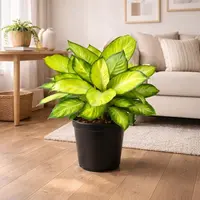
Rotate the pot 90° every 1–2 weeks so the textured leaves develop evenly and do not lean permanently toward the light source.

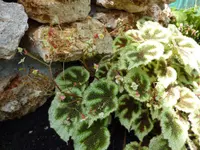
Iron cross begonia (Begonia masoniana) is a rhizomatous tropical plant grown mainly for its textured leaves rather than its flowers. It stays compact, making it suitable for containers and indoor displays.
The leaves are rough, blistered, and bright green with a dark cross-shaped pattern in the center, which gives the plant its common name. New leaves unfurl from a creeping rhizome that sits at the soil surface.
Begonia masoniana originates from humid, shaded forest habitats in China and northern Vietnam. It prefers bright, indirect light, evenly moist but not waterlogged soil, and good air circulation.
These traits make it moderately easy to grow for those who can provide stable warmth and humidity. Understanding how to care for Iron Cross Begonia helps prevent leaf damage and rot in home conditions.

Care Difficulty
Moderate Care

Light Preference
Bright Indirect Light

Water Requirements
Keep Soil Moist

Temperature Preference
Tropical / Frost Sensitive

Hardiness Zone
10–11

Soil Texture
Loamy, Peaty, Organic-rich

Soil pH
Acidic (5.5–6.5), Slightly acidic (6.5–7.0)

Soil Drainage
Moist but well-drained

Fertilization
Light (every 4–6 weeks)
Scan your plant to receive care tips personalized for your specific plant
Available on iOS and Android
This species prefers bright, indirect light with protection from harsh midday sun.
This plant prefers evenly moist but not saturated soil.
This species prefers consistently warm, frost-free conditions for best growth.
This species prefers consistently moist air and reacts quickly to very dry conditions.
Begonia masoniana needs a loose, aerated mix that drains rapidly yet retains consistent, light moisture.
This species is very suitable for container growing, especially in controlled indoor or patio conditions.
This rhizomatous begonia benefits from light, consistent feeding during active growth.
Pruning focuses on keeping Begonia masoniana compact, healthy, and free of decaying tissue.
Begonia masoniana prefers snug pots but benefits from occasional repotting to refresh the substrate.
This species is commonly propagated to maintain desirable foliage traits and replace older plants.
This tropical species is frost-sensitive and needs sheltered conditions in cold climates.

Plant Health Check
Not sure what's wrong with your plant? Check your plant's health inside the app.
This species develops a dark brown, cross-shaped marking on its leaves formed by extra pigment in the raised leaf veins, which inspired both its common name and the species epithet masoniana, honoring the early grower Maurice Mason who popularized it in cultivation.
Its foliage has a bullate surface, meaning the leaf blade is blistered between the veins; this 3D texture helps scatter light and may reduce direct sun stress in its native understory habitats.
The plant spreads via thick, creeping rhizomes that grow along or just below the soil surface, allowing it to form clumps and regenerate new leaves even if older foliage is damaged.

Plants grown from different wild-collected clones can show notable variation in leaf color intensity, size, and pattern definition, which is why some horticultural forms of this species are prized by collectors as distinctive foliage specimens.
Brown, crispy edges usually result from low humidity, excessive direct sun, or fertilizer salts building up in the potting mix. Improve humidity, reduce harsh light, flush the soil occasionally, and trim damaged edges with clean scissors.
Keep your plants happy and healthy with plant identification, disease detection, and easy care guidance.