


Train On Support
Provide a sturdy moss pole or rough wooden board and loosely tie new vines to it so the plant can climb, which encourages larger, flatter leaves and reduces mechanical damage to long stems.

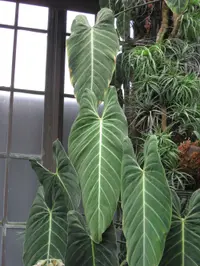
Philodendron melanochrysum is a climbing aroid known for its long, velvety, dark green leaves with pale veins and a subtle golden sheen. It naturally grows in humid tropical forests of Colombia, where it climbs tree trunks in filtered light. In the home, it is usually grown as a statement vine on a moss pole or other support, developing larger leaves as it matures. This species is considered moderate in difficulty because it reacts to low humidity, poor drainage, and irregular watering. Understanding how to care for Philodendron melanochrysum helps keep its foliage healthy and prevents leaf damage over time.

Care Difficulty
Moderate Care

Light Preference
Bright Indirect Light

Water Requirements
Moderate Water

Temperature Preference
Tropical / Frost Sensitive

Hardiness Zone
11–13

Soil Texture
Loamy, Peaty, Organic-rich

Soil pH
Acidic (5.5–6.5), Slightly acidic (6.5–7.0)

Soil Drainage
Moist but well-drained

Fertilization
Light (every 4–6 weeks)
Scan your plant to receive care tips personalized for your specific plant
Available on iOS and Android
This species prefers bright, filtered light that mimics a rainforest understory.
Watering should keep the root zone evenly moist but never saturated.
Stable, warm temperatures support healthy growth and leaf development.
This aroid benefits from elevated, stable humidity to maintain large, velvety leaves.
This species prefers an airy, organic-rich mix that drains quickly but retains light, even moisture.
This climbing species is well suited to container culture when the pot supports vertical growth and root health.
Nutrient support helps Philodendron melanochrysum maintain large, healthy leaves in containers.
Thoughtful pruning helps Philodendron melanochrysum stay compact, vigorous, and easy to manage indoors.
Container-grown plants benefit from occasional repotting to maintain root health and stable growth.
Stem cuttings are the most practical method for growing Philodendron melanochrysum at home.
This tropical species needs warm, stable indoor conditions during winter in most climates.

Plant Health Check
Not sure what's wrong with your plant? Check your plant's health inside the app.
The leaves have a dense layer of microscopic hairs that creates a velvet texture and a soft sheen, which helps diffuse intense light in its native cloud forest habitat.
New leaves emerge bronze to copper and gradually mature to very dark green, while the pale yellow midrib and veins remain contrasting and highly visible.
In nature this species is an obligate climber that uses adventitious roots to attach tightly to tree trunks, and it develops its largest leaves only when allowed to grow vertically toward brighter canopy light.

This species was first described scientifically in the late 19th century from plants collected in the Colombian Andes, and many cultivated specimens today can be traced back to a small number of historical introductions into European botanical gardens.
Brown leaf edges usually come from low humidity, underwatering, or fertilizer burn. Large brown patches can indicate sun scorch or root damage. Check soil moisture, flush excess salts, increase humidity, and trim only fully dead tissue.
Keep your plants happy and healthy with plant identification, disease detection, and easy care guidance.

 POPULAR
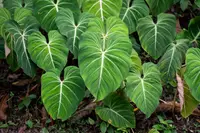
Philodendron gloriosum
Philodendron gloriosum
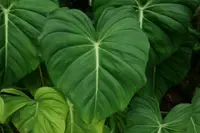
Philodendron pastazanum
Philodendron pastazanum
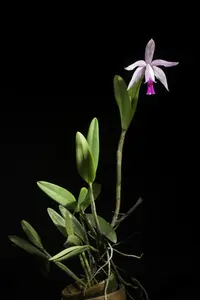
intermediate cattleya
Cattleya intermedia
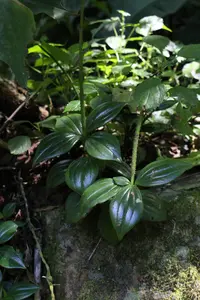
Peperomia san-joseana
Peperomia san-joseana
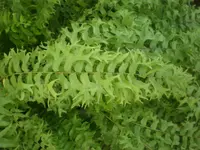
fishtail swordfern
Nephrolepis falcata
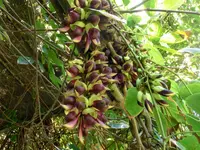
long-fruited mucuna
Mucuna macrocarpa
Split Leaf Climber
Philodendron radiatum
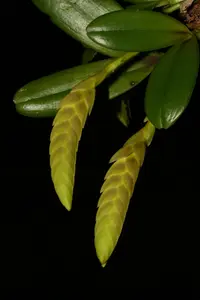
Bulbophyllum occultum
Bulbophyllum occultum