Dormancy Is Just a Rest
Do not discard the plant if all foliage dies back. The bulbs remain alive underground and produce fresh growth after a short rest period.


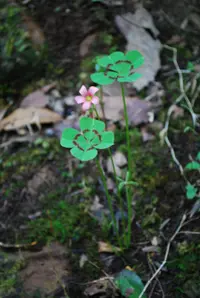
Oxalis triangularis, commonly known as the purple shamrock, is a bulb-forming perennial. It came from South America and is easily recognizable for its purple foliage, which can open and close in response to light.
Many plant owners enjoy this species because it is adaptable and can recover well after periods of dormancy. It doesn’t require hard botanical skills: learn how to care for a purple shamrock right now.

Care Difficulty
Moderate Care

Light Preference
Bright Indirect Light

Water Requirements
Moderate Water

Temperature Preference
Tropical / Frost Sensitive

Hardiness Zone
8–11

Soil Texture
Loamy, Sandy, Organic-rich

Soil pH
Acidic (5.5–6.5), Slightly acidic (6.5–7.0)

Soil Drainage
Moist but well-drained

Fertilization
Light (every 4–6 weeks)
Scan your plant to receive care tips personalized for your specific plant
Available on iOS and Android
Oxalis triangularis prefers filtered light with protection from harsh midday sun.
This species needs moderate moisture. Important aspect: the soil should partly dry before watering.
Steady temperatures support healthy growth and beautiful purple foliage.
Humidity is a very important aspect for the purple shamrock's normal growth. As a rule, average indoor or outdoor humidity is enough if the soil is not kept too dry.
Just like Strelitzia nicolai, Oxalis triangularis grows best in loose, fertile soil that holds light moisture but is not soggy.
Choose a 6-8 inch (15-20 cm) pot for one small clump, with enough depth for its bulbs. Use drainage holes and empty standing water quickly to prevent bulb rot.
Note: A wider but not very deep container helps support its spreading stems.
Light feeding supports fuller purple shamrock growth during its active season.
If you want to form your plant, you can do it using only light pruning to remove spent or damaged foliage.
Note: Avoid heavy pruning of healthy leaves, as they feed the bulbs.
Sometimes, you should find a larger pot for your Oxalis triangularis, especially as the plant grows.
You can do this procedure in two ways: by bulbs or by division. The most reliable method is to divide the bulb-like rhizomes during dormancy or early spring.
Tip: If the roots are tightly matted, trim only the most tangled sections with garden scissors.
Unlike Norway spruce, the Oxalis triangularis plant is not frost-tolerant. Move container plants indoors before temperatures fall below 40°F (4°C) and keep dormant bulbs in a warm location above 50°F (10°C).

Plant Health Check
Not sure what's wrong with your plant? Check your plant's health inside the app.
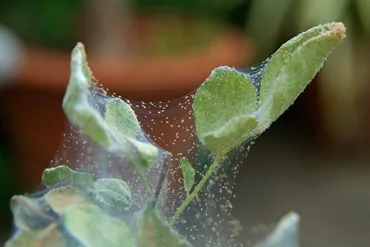
This pest can appear on the undersides of leaves, especially in dry and warm conditions.
You will see fine webbing, pale speckling, and dull or weakened foliage.
Solution
Rinse the leaves, isolate the plant, and wipe affected areas with insecticidal soap or neem-based spray.
Repeat treatment every few days until no mites are visible.
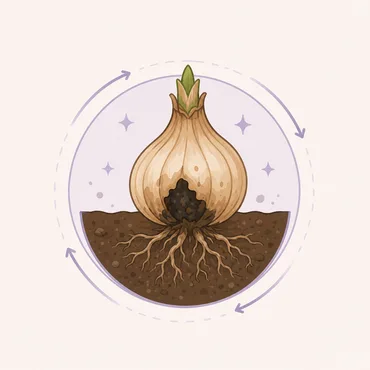
This disease develops when underground bulbs stay too wet for too long.
It includes soft bulbs, collapsing stems, yellowing leaves, and a sour or moldy smell from the soil.
Solution
Remove bad bulbs and discard any soft or blackened parts. Replant only firm and healthy bulbs in fresh soil with good drainage.
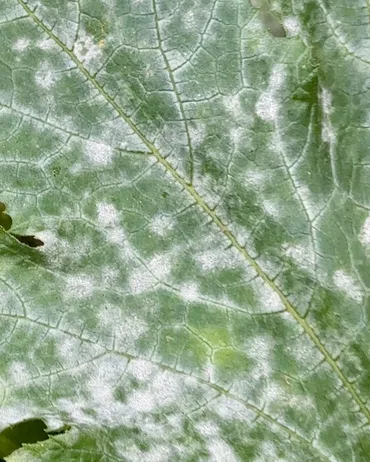
It appears as a pale, powder-like coating on leaves when airflow is poor. Affected foliage looks dusty, weakened, or distorted.
Solution
Remove affected leaves and improve spacing around the plant. Avoid wetting foliage late in the day and use a special fungicidal spray.
Oxalis triangularis was first published in 1825. Its native range is from Peru to Brazil and northern Argentina.
This species is a tuberous geophyte: its survival strategy depends on underground storage organs, not on stems.
Yes. The leaflets naturally fold in response to changes in light, disturbance, or stress. Temporary daytime closing is not always a problem and may simply reflect normal plant movement.
Keep your plants happy and healthy with plant identification, disease detection, and easy care guidance.