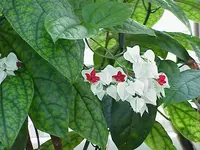
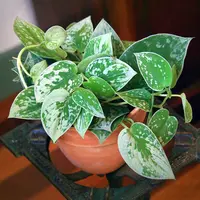
Hoya Care (Hoya australis)

Also known as: hoya

About Hoya

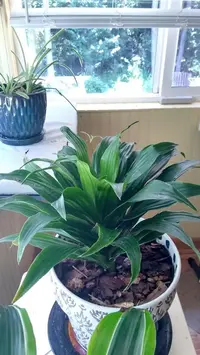
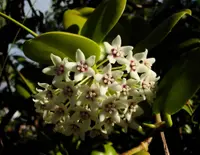
Hoya australis is a twining evergreen vine known for its thick, glossy leaves and clusters of fragrant, star-shaped white flowers. It is often grown as a hanging or climbing houseplant.

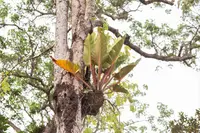
This species comes from Australia and nearby regions, where it grows on trees as an epiphyte, using them for support but not as a food source. Its succulent-like leaves store water, which makes it relatively forgiving of short dry periods.

Hoya australis prefers bright, indirect light, a well-drained potting mix, and moderate watering with good air movement. These traits make it a suitable choice for indoor growers learning how to care for Hoya.

Main Plant Requirements

Care Difficulty

Easy Care

Light Preference

Bright Indirect Light

Water Requirements

Low Water

Temperature Preference

Tropical / Frost Sensitive

Hardiness Zone

11–12

Soil Texture

Sandy, Loamy, Organic-rich

Soil pH

Acidic (5.5–6.5), Slightly acidic (6.5–7.0)

Soil Drainage

Well-drained

Fertilization

Light (every 4–6 weeks)

Get Personalized Care Plan

Scan your plant to receive care tips personalized for your specific plant

Personalized Care in the App

Available on iOS and Android

How to Care for the Hoya

This species prefers bright, indirect light with some gentle direct sun for best growth and flowering.

  • Provide 4–6 hours of bright, filtered light daily; early morning sun from an east window or lightly shaded patio is ideal.
  • Protect from strong midday and afternoon sun, which can scorch leaves and cause yellow or bronze patches, especially through hot glass.
  • In lower light or partial shade (2–3 hours bright light), expect slower growth and fewer flowers; move closer to light in winter as days shorten.

Hoya australis prefers to dry slightly between thorough waterings.

  • Water when the top 2–4 cm of soil are dry, soaking the root zone, then allow excess to drain completely so roots do not sit in water.
  • Reduce watering in winter, when growth slows, but do not let the entire root ball stay dry for many days if leaves begin to wrinkle or soften.
  • Watch for yellowing, mushy leaves as a sign of overwatering and dry, curling leaves as a sign of underwatering; use a gritty, fast-draining mix.

This plant grows best in consistently warm, frost-free conditions.

  • Aim for 65–80°F (18–27°C) for active growth; brief peaks to 85°F (29°C) are tolerated if humidity and airflow are adequate.
  • Avoid temperatures below 55°F (13°C); growth slows and cold damage appears as dark, soft patches on leaves and stems.
  • Protect from frost at all times, and keep away from cold drafts, heater vents, or hot reflective surfaces that can cause sudden temperature swings.

This species prefers moderately humid air but copes with typical indoor levels if other conditions are stable.

  • Aim for 40–60% humidity; growth is often fuller near the upper end of this range.
  • Dry air can cause curled leaf edges and stalled new vines, especially near heating or AC vents.
  • Increase humidity with a nearby pebble tray, grouped plants, or a small humidifier placed a short distance from the foliage.

Hoya australis needs a very airy, fast-draining mix that mimics an epiphytic or rocky habitat.

  • Use a loose, chunky mix such as 40% houseplant potting mix, 30% fine orchid bark, 20% perlite, and 10% horticultural charcoal or pumice.
  • Ensure water runs through quickly; the mix should feel springy and never stay heavy or waterlogged after watering.
  • Aim for slightly acidic to neutral pH (6.0–7.0), which most all-purpose potting bases already provide.
  • Avoid dense garden soil, straight peat, or compost-heavy mixes that collapse, reduce aeration, and promote root rot.

This species is well suited to container growing due to its manageable root system and vining habit.

  • Choose a pot only 2–4 cm wider than the root ball so the mix dries evenly and roots are not surrounded by unused wet substrate.
  • Use a heavier material like ceramic if the plant climbs or trails, reducing the risk of the container tipping over.
  • Select a container shape that allows anchoring a trellis or hoop, giving stable support as vines lengthen and gain weight.

Hoya australis benefits from light, controlled feeding rather than heavy fertilization.

  • Use a balanced liquid NPK fertilizer (for example 10-10-10 or 20-20-20) diluted to 1/4–1/2 strength.
  • Feed every 4–6 weeks during the active growing season, typically spring through late summer.
  • Pause or reduce feeding to once in 8–10 weeks in fall and winter when growth slows.
  • Slow-release pellets or a thin layer of fine compost can be used sparingly at the start of spring.

Pruning Hoya australis is mainly used to manage size and remove weak growth while preserving flowering sites.

  • Carry out light pruning in late winter or early spring before strong new growth begins.
  • Remove dead, damaged, or tangled stems, cutting back to just above a healthy node with clean, sharp scissors or pruners.
  • Shorten excessively long vines to shape the plant and encourage branching without removing too much at once.
  • Avoid cutting off old flowering spurs, as these short stubby sections often rebloom from the same points.

This species prefers slightly snug pots, so repotting is infrequent but still important for long-term Hoya indoor care.

  • Plan to repot every 2–3 years or when roots circle the pot base, push through drainage holes, or growth slows despite good care.
  • Repot in spring, using a slightly larger container with a very well-draining mix such as orchid bark, perlite, and chunky peat or coco coir.
  • Gently loosen the root ball, trim only rotted or dead roots, and keep as much healthy root mass intact as possible to limit stress.
  • Water lightly after repotting, keep in bright indirect light, and avoid heavy feeding for 2–3 weeks while the roots recover.

Hoya australis is commonly propagated from stem cuttings, which root well in warm, humid conditions.

  • Take 1–2 node stem cuttings in spring or early summer, each with at least 2 healthy leaves.
  • Allow cut ends to dry for 1–2 hours, then place in moist, airy mix such as perlite and peat or perlite and coco coir.
  • Maintain temperatures around 70–80°F with bright indirect light and high humidity for consistent rooting.
  • Water lightly, keep the medium just barely moist, and pot into a small container once new roots and growth appear.

Hoya australis is frost sensitive and needs protection in regions with cold winters.

  • Keep indoor plants at 60–75°F in winter, away from cold drafts and heater blasts.
  • In climates with frost, grow in containers and move plants indoors or into a greenhouse before temperatures drop below 50°F.
  • Water less often in winter, allowing the top layer of the potting mix to dry more deeply between waterings to prevent root rot.

Care Tips

Support trailing vines

Install a sturdy trellis, hoop, or wall-mounted hooks and gently tie new vines with soft plant ties so the plant can climb, which encourages stronger stems and more even light exposure.

Promote flowering rest

After a main flush of blooms, slightly reduce watering and avoid moving the plant so it experiences a mild rest period, which often leads to more reliable flowering cycles.

Preserve spent peduncles

Do not cut off the small spurs (peduncles) where flowers formed; leave them intact because the plant often reuses the same structures to rebloom from year to year.

Targeted pest checks

Inspect leaf undersides, vine junctions, and around leaf nodes every few weeks for mealybugs or scale, and treat early with an alcohol-dampened cotton swab or horticultural soap before populations expand.

Acclimate outdoor moves

If shifting the plant outdoors for summer, introduce it to brighter conditions over 7–10 days in stages to avoid leaf scorch, a key step in caring for Hoya in changing light environments.

Common Pests and Diseases

Mealybugs

These insects feed on sap and often hide in leaf joints and along stems, leaving white cottony clusters and sticky honeydew. Symptoms include distorted new growth and slow decline if infestations are heavy.

Solution

Remove visible clusters with a cotton swab dipped in 70% isopropyl alcohol, then rinse the plant with lukewarm water to dislodge hidden insects. For persistent problems, use repeated applications of insecticidal soap or a light horticultural oil, making sure to reach leaf undersides and vine crevices, and isolate the plant until new growth appears clean.

Spider mites

These pests thrive on Hoya australis in warm, dry indoor air and cause fine stippling, dulling of the leaves, and delicate webbing between leaves and stems. This pest can cause leaf drop and reduced flowering if not controlled early.

Solution

Shower the plant thoroughly to wash off mites and webbing, then increase humidity around the plant and avoid placing it near heat sources or vents. Apply insecticidal soap or a miticidal horticultural oil to both leaf surfaces every 5–7 days for several cycles, and improve air movement to reduce future outbreaks as part of general Hoya indoor care.

Soft scale

These insects appear as flat, tan to brown bumps on stems and leaf midribs and excrete honeydew that can lead to black sooty mold. Symptoms include sticky leaves, ants on the plant, and gradual weakening of vines.

Solution

Gently scrape or wipe off individual scales with a fingernail or cotton pad dipped in 70% isopropyl alcohol, then wash the plant with mild soapy water. Follow up with repeated applications of horticultural oil, ensuring full coverage of stems where scale tends to cluster, and keep the plant isolated until no new bumps appear.

Sooty mold

This disease develops on the sugary honeydew left by sap-sucking pests and appears as black, soot-like coating on leaves and stems. Symptoms include reduced photosynthesis, dull leaves, and slowed growth, especially on plants with ongoing insect infestations.

Solution

First control the underlying honeydew-producing pests such as mealybugs, scale, or aphids, otherwise the mold will return. Once pests are managed, wipe leaves gently with a damp cloth or rinse the plant under lukewarm water to remove the mold, and improve airflow and light exposure so leaves dry quickly after watering.

Botrytis blight

This disease causes soft, water-soaked spots on leaves, buds, or flowers that can develop a gray, fuzzy mold, especially in cool, humid, stagnant air. Symptoms include bud drop, rotting flower clusters, and localized leaf damage near overly wet areas.

Solution

Remove and discard all affected flowers and leaves, then adjust watering so the potting mix dries slightly between waterings and avoid wetting the foliage. Increase air circulation, provide brighter indirect light, and, in severe cases, use a fungicide labeled for ornamental houseplants while keeping the plant drier and less crowded with nearby plants.

Interesting Facts

Nectar-rich night blooms

The white, star-shaped flowers open mainly at night and produce large amounts of nectar that attract nocturnal moths in its native Australian habitats.

Rocky habitat specialist

In the wild, this species often grows as a lithophyte, rooting into crevices on rocky outcrops and coastal cliffs, rather than only as an epiphyte in trees.

Fragrant, long-lived umbels

Individual flower clusters can persist and rebloom from the same spur over multiple seasons, releasing a noticeable sweet fragrance in warm conditions.

Botan icon

Did you know?

Hoya australis is one of the few hoyas naturally occurring on exposed coastal headlands in eastern Australia, where it tolerates high light, salt-laden winds, and periods of drought by storing water in its thick, succulent leaves and stems.

FAQs about Hoya

Lack of blooms usually comes from too little light, overfertilizing, or removing old flower spurs. Keep the plant slightly rootbound, avoid heavy pruning of old peduncles, and maintain stable conditions to support regular flowering when caring for Hoya.

Grow Healthy Plants with Botan Care

Keep your plants happy and healthy with plant identification, disease detection, and easy care guidance.

Botan plant care app — identify plants on mobile

Explore More Plants