


Use vertical support
Provide a sturdy moss pole or rough wooden stake and loosely tie stems with soft ties so lobed leaves develop larger and more complex as the plant climbs.

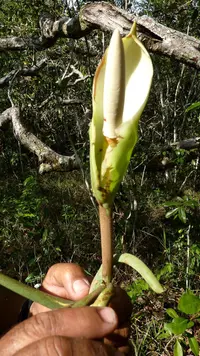
Philodendron pedatum is a tropical aroid grown mainly as a decorative foliage plant indoors. It develops deeply lobed, glossy green leaves that become more divided and dramatic as the plant matures. The growth habit is climbing or sprawling, so it often benefits from a support or moss pole.
This species is native to tropical regions of South America, where it grows in warm, humid forest conditions. Its tolerance of indoor temperatures, moderate light, and occasional care makes it manageable for most plant owners.
To care for Philodendron pedatum, provide bright, indirect light, evenly moist but not waterlogged soil, and a loose, well-drained potting mix rich in organic matter.

Care Difficulty
Moderate Care

Light Preference
Bright Indirect Light

Water Requirements
Moderate Water

Temperature Preference
Tropical / Frost Sensitive

Hardiness Zone
10–11

Soil Texture
Loamy, Peaty, Organic-rich

Soil pH
Acidic (5.5–6.5), Slightly acidic (6.5–7.0)

Soil Drainage
Moist but well-drained

Fertilization
Light (every 4–6 weeks)
Scan your plant to receive care tips personalized for your specific plant
Available on iOS and Android
This species prefers bright, indirect light that mimics dappled forest shade.
Watering should aim for evenly moist but not saturated soil to protect the roots.
Stable, warm conditions support steady growth and reduce stress for this aroid.
This species prefers moderate to high humidity but adapts to typical indoor levels if not extremely dry.
This aroid prefers a loose, airy, organic-rich mix that drains quickly but holds some moisture.
This species is well suited to container growing due to its manageable root system and climbing habit.
Nutrient support helps Philodendron pedatum maintain steady foliage growth in containers.
Thoughtful pruning keeps Philodendron pedatum compact, healthy, and well-shaped.
Container-grown Philodendron pedatum benefits from occasional repotting to refresh soil and manage root growth.
Stem cuttings offer a reliable way to expand a collection of Philodendron pedatum.
Indoor conditions in winter usually suit Philodendron pedatum if temperatures and drafts are managed.

Plant Health Check
Not sure what's wrong with your plant? Check your plant's health inside the app.
This species develops deeply lobed, hand-shaped leaves that change form as the plant matures, with juvenile leaves much simpler than the highly divided adult foliage. The progressive change in leaf shape with age is a characteristic noted by botanists when identifying this species.
In its native tropical habitat, this plant grows as a hemi-epiphyte, starting life on the forest floor and then climbing tree trunks using aerial roots. This growth strategy lets it reach higher light levels in the understory without investing energy in a thick, self-supporting stem.
The species has a long history of misidentification and has often been confused with similar philodendrons in cultivation, such as some forms traded as Philodendron 'Florida'. Botanists rely on details of the leaf lobes, petiole shape, and inflorescence structure to separate it reliably from related species.
Brown, crispy edges usually come from low humidity, underwatering, or fertilizer/salt buildup. Increase humidity to around 50–60%, water when the top substrate dries, and occasionally flush the pot to remove excess salts and minerals.
Keep your plants happy and healthy with plant identification, disease detection, and easy care guidance.

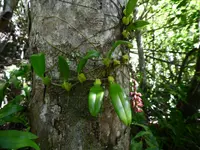
Bulbophyllum incurvum
Bulbophyllum incurvum
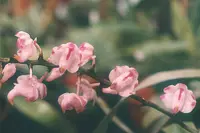
Aerides odorata
Aerides odorata
 POPULAR
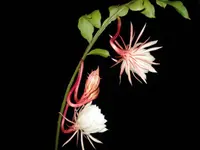
Queen of The Night
Epiphyllum oxypetalum

Monstera 'Karstenianum'
Monstera 'Karstenianum'
Achimenes grandiflora
Achimenes grandiflora
Monstera deliciosa 'Thai Constellation'
Monstera deliciosa 'Thai Constellation'
White Variegated Monstera
Monstera deliciosa 'Albovariegata'
Creeping pilea
Pilea nummulariifolia