Pinch Young Stems
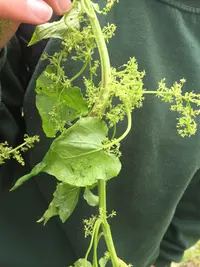
Pinch out the soft tips of new shoots in spring and early summer to keep plants compact, increase branching, and extend the flowering season.

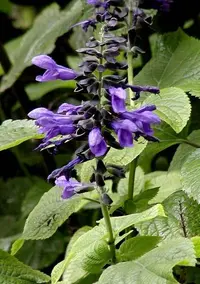
Blue anise sage, Salvia guaranitica, is a perennial flowering herb from South America, mainly found in Brazil, Paraguay, and northern Argentina. It is commonly grown in gardens for its vivid deep blue flowers and aromatic, anise-scented foliage.
The plant forms upright clumps with branching stems and soft green leaves, creating a loose, bushy shape that attracts hummingbirds and bees. It often behaves as a fast-growing, moderately vigorous plant in mild climates.
Salvia guaranitica is generally easy to grow if given sun, regular moisture, and well-drained soil. Its resilience and quick growth make it forgiving for those learning how to care for Blue Anise Sage.

Care Difficulty
Easy Care

Light Preference
Full Sun

Water Requirements
Moderate Water

Temperature Preference
Warm Climate

Hardiness Zone
7–10

Soil Texture
Sandy, Loamy, Organic-rich

Soil pH
Acidic (5.5–6.5), Slightly acidic (6.5–7.0)

Soil Drainage
Moist but well-drained

Fertilization
Light (every 4–6 weeks)
Scan your plant to receive care tips personalized for your specific plant
Available on iOS and Android
This sun-loving perennial flowers best with strong, consistent light outdoors.
This sage prefers evenly moist but never waterlogged soil, especially during active growth.
This plant grows best in warm, frost-free conditions but tolerates moderate summer heat.
Salvia guaranitica handles a wide humidity range, so humidity is rarely a limiting factor outdoors.
Salvia guaranitica prefers loose, well-drained, moderately fertile soil that does not stay soggy.
This species grows well in containers when given enough root space and stable, free-draining conditions.
Salvia guaranitica responds well to moderate feeding during its active growing season.
Pruning supports compact growth and strong flowering in Salvia guaranitica.
This salvia is more often transplanted in the ground than repotted long term in containers.
Salvia guaranitica is commonly propagated by stem cuttings and division for reliable clones.
This salvia is moderately cold hardy but benefits from simple winter protection in cooler regions.

Plant Health Check
Not sure what's wrong with your plant? Check your plant's health inside the app.
This sage produces long, tubular cobalt-blue flowers with abundant nectar that match the bill shape and feeding behavior of hummingbirds, which are its primary pollinators in native South American habitats.
It forms fleshy underground rhizomes that store carbohydrates, allowing the plant to resprout after drought, heat stress, or top growth damage and to spread slowly into clumps over time.
The leaves contain aromatic compounds typical of the mint family, which release a strong scent when crushed and help reduce damage from some herbivorous insects and browsing animals.

Genetic and field studies indicate that this species hybridizes readily with several other ornamental salvias, which is why many popular blue-flowered garden cultivars are complex hybrids with Salvia guaranitica in their parentage.
This species is highly attractive to hummingbirds, bees, and butterflies due to its tubular, nectar-rich flowers and long blooming season. It works well in wildlife or pollinator gardens and helps support local beneficial insect populations.
Keep your plants happy and healthy with plant identification, disease detection, and easy care guidance.