


Support trailing vines
Install a small moss pole, plank, or trellis early and loosely tie vines with soft plant ties to encourage larger leaves and a more orderly, upright habit instead of weak, tangled growth.

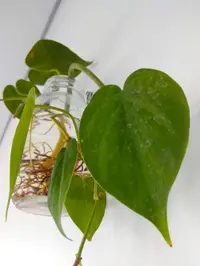
Philodendron cordatum is a vining aroid grown mainly as a houseplant for its glossy, heart-shaped green leaves and trailing or climbing habit. It is often used in hanging baskets or trained on supports indoors.
In nature, it occurs in tropical forests of Central and South America, where it grows as an understory climber on trees. This background explains its preference for bright, indirect light, moderate moisture, and well-drained, airy soil.
The plant is considered relatively forgiving, tolerating occasional lapses in watering and adapting to typical indoor conditions. For most home growers, learning how to care for Philodendron cordatum is straightforward once its basic needs are understood.

Care Difficulty
Easy Care

Light Preference
Bright Indirect Light

Water Requirements
Moderate Water

Temperature Preference
Tropical / Frost Sensitive

Hardiness Zone
10–12

Soil Texture
Loamy, Peaty, Organic-rich

Soil pH
Acidic (5.5–6.5), Slightly acidic (6.5–7.0)

Soil Drainage
Moist but well-drained

Fertilization
Light (every 4–6 weeks)
Scan your plant to receive care tips personalized for your specific plant
Available on iOS and Android
This species prefers bright, indirect light that mimics filtered forest conditions.
Watering should aim for evenly moist but never waterlogged soil.
Stable, warm temperatures support healthy, steady growth.
This species prefers moderately humid indoor air and shows clear stress in very dry rooms.
This aroid does best in a loose, airy potting medium that drains quickly but keeps slight, even moisture.
This species is very suitable for container growing and adapts well to typical indoor pot sizes.
Nutrient inputs support steady, leafy growth in Philodendron cordatum grown indoors.
Thoughtful pruning keeps Philodendron cordatum compact, tidy, and well-branched.
Container-grown plants benefit from occasional repotting to maintain root health and growth.
Stem cuttings provide the most reliable way to increase Philodendron cordatum plants at home.
This tropical species is frost-tender and needs warm indoor conditions during winter in most climates.

Plant Health Check
Not sure what's wrong with your plant? Check your plant's health inside the app.
This species naturally climbs tree trunks in its native Atlantic Forest habitat in Brazil, using aerial roots to anchor itself and reach better light, which is why it appreciates a moss pole or support indoors.
The plant keeps its simple heart-shaped juvenile leaves even as an adult, unlike many other philodendrons that change leaf shape dramatically as they mature.
In the wild, this species grows in deep understory shade and has a photosynthetic system adapted to low light, which explains its ability to keep leaves green and functional in relatively dim indoor conditions compared with many houseplants.

Philodendron cordatum is part of a group of Neotropical climbing aroids that play a structural role in rainforest ecosystems, creating living connections between the forest floor and canopy that small animals and invertebrates use as sheltered pathways.
Brown edges usually result from low humidity, underwatering, or excess fertilizer salts. Check soil moisture, flush the pot occasionally, and keep it away from heating vents or cold drafts to stabilize conditions and reduce leaf damage.
Keep your plants happy and healthy with plant identification, disease detection, and easy care guidance.

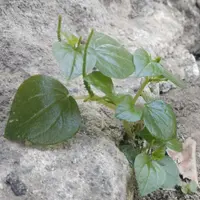
man to man
Peperomia pellucida
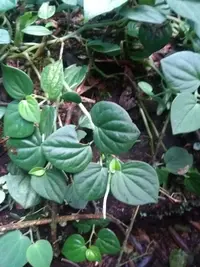
Brazilian peperomia
Peperomia urocarpa
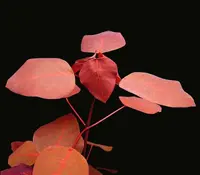
Mexican shrubby spurge
Euphorbia cotinifolia
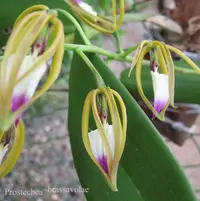
Prosthechea brassavolae
Prosthechea brassavolae
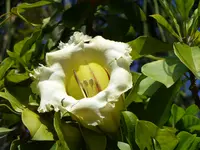
showy chalicevine
Solandra grandiflora
kangaroo vine
Cissus antarctica
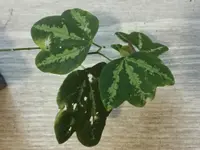
Passiflora trifasciata
Passiflora trifasciata
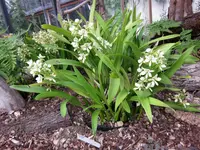
Prosthechea radiata
Prosthechea radiata