Encourage Bushy Shape
Pinch out the soft tips of young stems every 3–4 weeks during active growth to encourage dense, compact branching and reduce the risk of the plant becoming leggy and wind-prone.

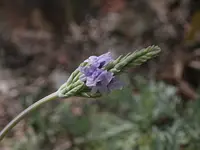
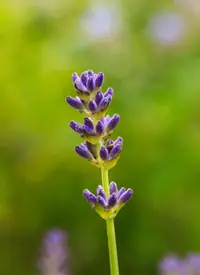
Fernleaf lavender, Lavandula pinnata, is a compact, shrubby perennial herb valued for its finely divided, fernlike foliage and tall, airy flower spikes. It is often grown as an ornamental container or border plant rather than for essential oil production.
This species comes from warm, dry regions of the Canary Islands and nearby areas, so it prefers bright light, lean soil, and good air movement. Its tolerance of heat, wind, and brief dryness makes it easier than many soft-leaved ornamentals, but it can decline in heavy, wet, or shaded conditions.
Gardeners who learn how to care for Fernleaf Lavender usually find it a reliable plant, provided its need for sun, drainage, and moderate watering is respected.

Care Difficulty
Moderate Care

Light Preference
Full Sun

Water Requirements
Low Water

Temperature Preference
Tropical / Frost Sensitive

Hardiness Zone
9–11

Soil Texture
Sandy, Loamy, Rocky

Soil pH
Slightly acidic (6.5–7.0), Slightly alkaline (7.0–7.5)

Soil Drainage
Well-drained

Fertilization
Minimal (feed rarely)
Scan your plant to receive care tips personalized for your specific plant
Available on iOS and Android
This Mediterranean shrub needs strong light to stay compact and bloom well.
This aromatic shrub prefers infrequent, deep watering in very well-drained soil.
This sun-loving subshrub thrives in mild, dry climates with moderate heat.
This species prefers dry air and does not need added humidity indoors.
Lavandula pinnata needs very free-draining, lean soil to avoid root and crown rot.
This species grows well in containers when excess moisture is controlled carefully.
Lavandula pinnata grows best in lean, well-drained soil and only needs modest feeding.
Pruning supports compact growth and stronger flowering in Lavandula pinnata.
Container-grown Lavandula pinnata benefits from occasional repotting or careful transplanting to maintain vigor.
Lavandula pinnata is most commonly propagated from cuttings for reliable, uniform plants.
This tender lavender needs thoughtful winter care in regions with freezing temperatures.

Plant Health Check
Not sure what's wrong with your plant? Check your plant's health inside the app.
This species has finely dissected, soft, fern-like leaves rather than the narrow entire leaves typical of many lavenders, which increases the surface area for photosynthesis and gives the plant its airy texture.
In mild, frost-free climates, this species can produce its purple flower spikes almost continuously rather than in a single main summer flush, provided light and moisture remain adequate.
Native to the Canary Islands and nearby Atlantic coasts, this lavender is adapted to windy, maritime conditions with sandy, fast-draining soils and relatively stable, frost-free temperatures.

Unlike many temperate lavenders that require winter chill, this subtropical species is not naturally cold-hardy and evolved in low-elevation, ocean-influenced habitats, which is why it often behaves as a short-lived perennial outside warm coastal regions.
Lack of flowers usually comes from insufficient light, overly rich or wet soil, or heavy, old growth. Provide strong sun, avoid high-nitrogen fertilizer, and lightly prune after flowering to keep new, floriferous shoots forming.
Keep your plants happy and healthy with plant identification, disease detection, and easy care guidance.