Pandan Care (Pandanus amaryllifolius)

Also known as: Pandanus

About Pandan

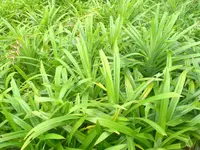
Pandanus amaryllifolius, commonly called pandan or screwpine, is a tropical, strap-leaved shrub valued for its fragrant foliage. It usually forms a clumping, fountain-like shape with long, narrow, arching leaves.

In nature, it occurs in humid, lowland areas of Southeast Asia, often in partial shade and consistently warm conditions. The leaves are widely used in cooking, which helps many home growers feel confident to care for Pandan as an edible and ornamental plant.

It is generally considered moderately easy to grow if given warmth, even moisture, and free-draining soil. Indoors, it prefers bright, indirect light and protection from cold drafts or drying air.

Main Plant Requirements

Care Difficulty

Moderate Care

Light Preference

Partial Shade

Water Requirements

Keep Soil Moist

Temperature Preference

Tropical / Frost Sensitive

Hardiness Zone

10–12

Soil Texture

Sandy, Loamy, Organic-rich

Soil pH

Acidic (5.5–6.5), Slightly acidic (6.5–7.0)

Soil Drainage

Moist but well-drained

Fertilization

Light (every 4–6 weeks)

Get Personalized Care Plan

Scan your plant to receive care tips personalized for your specific plant

Personalized Care in the App

Available on iOS and Android

How to Care for the Pandan

This tropical herb thrives in bright, warm conditions with protection from harsh midday sun.

  • Provide 4–6 hours of bright, indirect light or soft morning sun; light shade is preferred during midday, especially in hot climates.
  • Site Pandan where it gets dappled or filtered light under taller plants or shade cloth to prevent leaf scorch and yellow, crispy tips.
  • If growth is slow, leaves pale, or aroma weak, move it to a brighter position; in winter, use the brightest frost-free spot or add supplementary light if grown indoors.

Watering should keep the root zone evenly moist but never saturated.

  • Allow the top 2–3 cm of soil to dry before watering, then soak thoroughly so excess drains away; consistently soggy soil promotes root rot.
  • Increase moisture during warm, active growth when leaves are producing new shoots; reduce frequency in cooler months while avoiding complete drying of the root ball.
  • Watch for soft, yellowing lower leaves and a sour smell as signs of overwatering, and dry, browning tips or leaf curl as indicators that Pandanus amaryllifolius is too dry.

This species prefers stable, warm conditions typical of lowland tropical climates.

  • Aim for 70–90°F (21–32°C) for best growth; plants slow noticeably below 65°F (18°C).
  • Protect from temperatures under 55°F (13°C); brief drops to 45–50°F (7–10°C) may be survived but can cause leaf damage and stunt new growth.
  • Never expose plants to frost, and give shade plus good airflow during heat above 95°F (35°C) to limit stress, sunburn, and rapid moisture loss.

This species prefers moderately humid air and reacts if kept too dry for long periods.

  • Aim for 50–70% humidity to keep leaf tips green and growth steady.
  • Tolerates short spells of 40–50% humidity, but prolonged dry air causes brown, crispy leaf margins and slower growth.
  • Increase humidity with a nearby humidifier or clustered plants rather than misting, which adds little lasting moisture and can promote leaf spotting.

This plant grows best in loose, moist, sharply draining soil that still holds some organic matter.

  • Use a mix such as 40% peat or coco coir, 40% compost, and 20% perlite or coarse sand to balance moisture retention and drainage.
  • Structure should be crumbly and airy, not sticky or compacted, so roots receive enough oxygen and resist rot.
  • A slightly acidic to neutral pH around 6.0–7.0 supports nutrient availability for Pandanus amaryllifolius without extra adjustment in most potting mixes.
  • Avoid heavy garden clay or mixes that stay soggy; lighten dense substrates by blending in additional perlite, bark fines, or coarse sand.

This species adapts well to container growing when the pot is chosen for both drainage and stability.

  • Select a wide, relatively heavy container to counterbalance the arching, sometimes top-heavy leaf rosette as it matures.
  • Choose a pot material that matches local climate, such as plastic to slow drying in hot regions or unglazed terracotta to prevent water buildup in cooler areas.
  • Ensure multiple drainage holes and keep a gap between pot base and saucer so drained water cannot wick back into the root zone.

This tropical herb responds well to modest, consistent feeding during active growth.

  • Use a balanced liquid fertilizer (such as 10-10-10) at 1/2 strength every 4–6 weeks in spring and summer for caring for Pandan.
  • Alternatively, apply a thin layer of well-rotted compost or a slow-release granular fertilizer at the start of the growing season.
  • Ensure soil is moist, not dry, before feeding to reduce root burn risk.
  • In fall and winter, reduce feeding to 1–2 very light applications or stop entirely if growth slows indoors.

Thoughtful pruning keeps Pandanus amaryllifolius compact, safe to handle, and hygienic for kitchen use.

  • Best time is late winter to early spring, or after a flush of growth, so wounds heal in warm conditions.
  • Use clean, sharp scissors or hand pruners to remove yellow, brown, or torn leaves at the base without damaging the crown.
  • Thin crowded rosettes by taking out the weakest or most awkward leaves to maintain airflow and a balanced shape.
  • Trim leaf tips only if browned, cutting just into the discolored area to preserve as much green tissue as possible.

Container-grown plants benefit from occasional repotting to maintain root health and steady growth.

  • Check for roots circling the pot, pushing through drainage holes, or slowed growth as signs Pandanus amaryllifolius needs more space.
  • Plan to repot every 2–3 years in late spring, when temperatures are warm and new growth begins.
  • Move into a pot 2–5 cm wider, using a free-draining mix; gently loosen circling roots without tearing large, healthy ones.
  • Water thoroughly after repotting, keep in bright indirect light for 7–10 days, and avoid heavy feeding until new growth resumes.

New plants are most reliably produced from offsets rather than seeds.

  • Use basal offsets (suckers) that have several leaves and visible roots, usually in late spring or early summer.
  • Remove the offset with a clean, sharp knife, keeping as many roots attached as possible to the young Pandanus amaryllifolius.
  • Plant in a small pot with a light, well-drained mix, and keep humidity moderate to high with consistently slightly moist soil.
  • Provide warm temperatures (70–80°F) and bright, indirect light to encourage rapid root establishment and stable growth.

This tropical species is frost tender and needs protection in cool climates.

  • In USDA zones below 10, grow in containers and move indoors before temperatures drop near 50°F.
  • Indoors, place in bright, indirect light and keep temperatures around 65–80°F with minimal drafts.
  • Water less in winter, allowing the top 2–3 cm of soil to dry slightly between waterings to prevent root rot.
  • In mild climates where it stays outside, add a 5–8 cm mulch layer around the root zone, keeping mulch off the crown.

Care Tips

Leaf-harvest rotation

Harvest outer, mature leaves first and rotate around the plant so no single side is stripped, which keeps the rosette balanced and maintains enough foliage for strong regrowth when growing Pandan.

Low-basin containment

Place the pot in a wide, low saucer to catch leaf tips and fallen segments, which makes it easier to keep the crown clean and reduces hiding spots for pests like mealybugs and scale.

Root-escape monitoring

Check drainage holes every 4–6 weeks and pot up one size when thick roots begin circling or pushing through, as this species dislikes being severely root-bound over long periods.

Blade-safe handling

Use thin gardening gloves or fold leaves gently from the edges when working around the plant, since the margins can be abrasive and repeated unprotected handling often damages both skin and leaf tissue.

Sucker propagation timing

Detach basal suckers only when they have at least 3–4 leaves and visible roots, then pot them individually to maintain a compact, productive mother plant and ensure higher survival of the offsets.

Common Pests and Diseases

Mealybugs

This pest often hides in leaf bases and along the midrib, sucking sap and causing yellowing, stunting, and sticky honeydew on the strap-like leaves.

Solution

Isolate the plant, then use a cotton swab dipped in 70% isopropyl alcohol to dab visible insects and wash leaf bases thoroughly with lukewarm soapy water; repeat weekly until no new mealybugs appear, and improve air movement and light levels as part of general Pandanus amaryllifolius care.

Scale insects

These insects attach firmly along leaf midribs and at the base of the rosette, appearing as small brown or gray bumps and causing yellowing, leaf drop, and sticky residue.

Solution

Scrape or wipe off visible scale with a soft cloth or toothbrush and mild soapy water, then follow up with repeated applications of horticultural oil or neem oil to the leaf bases and undersides every 7–10 days until new growth appears clean.

Spider mites

This pest thrives in dry indoor air, causing fine speckling, dull leaves, and light webbing between the narrow blades, especially on stressed plants kept in hot, low-humidity conditions.

Solution

Rinse the foliage thoroughly under a gentle shower or hose, focusing on leaf undersides, then increase humidity and airflow; for persistent infestations, apply insecticidal soap or neem oil every 5–7 days, ensuring full coverage of both sides of all leaves.

Leaf spot

This disease produces brown to black spots or irregular lesions on the leaves, often starting where water sits in the leaf axils or on persistently wet foliage.

Solution

Remove and discard affected leaves, avoid overhead watering, and water early in the day so surfaces dry quickly; improve spacing and airflow around the plant and, in severe or recurring cases, use a labeled copper-based fungicide according to instructions.

Interesting Facts

Sterile but aromatic

This species is functionally sterile and almost never produces viable seeds; it is maintained through vegetative propagation, yet its leaves contain strong aromatic compounds that give a distinctive sweet, nutty fragrance when warmed or cooked.

Clonal culinary crop

All cultivated plants are thought to descend from a limited number of original clones that were spread across South and Southeast Asia through human movement and trade, making it a largely human-dispersed domesticated plant.

Scent linked to 2AP

Its characteristic aroma comes mainly from the compound 2-acetyl-1-pyrroline (2AP), the same molecule responsible for the fragrance of jasmine rice and basmati rice, which is why the leaves pair so well with these grains.

Botan icon

Did you know?

The plant’s natural distribution is still debated by botanists, and many consider it an almost entirely cultigen species, meaning it may exist in the wild today mostly or only where it has escaped from long-term human cultivation rather than as a truly wild, ancestral population.

FAQs about Pandan

Yellowing leaves often result from overwatering, poor drainage, or nutrient deficiency, especially nitrogen. Check the roots for rot, improve drainage, and apply a balanced fertilizer at low strength to support new, healthy growth.

Grow Healthy Plants with Botan Care

Keep your plants happy and healthy with plant identification, disease detection, and easy care guidance.

Botan plant care app — identify plants on mobile

Explore More Plants