Shear For Rebloom
Right after the main flowering flush, shear back spent flower spikes and the top 3–5 cm of foliage to trigger a tidy flush of new leaves and a second round of blooms.


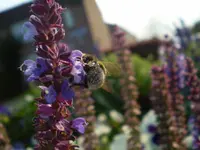
Woodland sage (Salvia nemorosa) is a hardy, clump-forming perennial grown mainly for its upright spikes of violet, blue, pink, or white flowers. Plants usually have rough, aromatic foliage and a compact, bushy habit that suits garden borders, cottage gardens, and pollinator plantings.
In nature, it occurs in open grasslands and light woodlands across parts of Europe and western Asia, where conditions are sunny and fairly dry. This background helps explain why it is generally undemanding and long lived in gardens.
Gardeners appreciate that it flowers over a long season and often reblooms if spent stems are removed. Those traits, along with its tolerance of sun and well-drained soils, make it relatively easy to care for Woodland sage.

Care Difficulty
Easy Care

Light Preference
Full Sun

Water Requirements
Low Water

Temperature Preference
Cold Hardy

Hardiness Zone
4–8

Soil Texture
Sandy, Loamy, Clay

Soil pH
Slightly acidic (6.5–7.0), Slightly alkaline (7.0–7.5)

Soil Drainage
Well-drained

Fertilization
Minimal (feed rarely)
Scan your plant to receive care tips personalized for your specific plant
Available on iOS and Android
Salvia nemorosa thrives in strong outdoor light and produces best flowering in full sun conditions. By the way, similar conditions suit Mealycup sage.
This species prefers evenly moist, well-drained soil and is more tolerant of brief dryness than standing water.
This hardy perennial handles a wide outdoor temperature range but performs best within moderate seasonal conditions.
Humidity is rarely critical for Salvia nemorosa, which thrives in typical outdoor air conditions.
Salvia nemorosa prefers lean, well-drained soil that mimics open, sunny meadow conditions.
This species grows well in containers when given enough root space and strong drainage.
This perennial blooms well with modest feeding rather than heavy fertilization.
Like for Autumn sage, thoughtful pruning supports compact growth and repeat flowering in Salvia nemorosa.
This species is usually grown in garden beds and benefits most from periodic lifting and division rather than frequent repotting.
Routine propagation for this plant relies mainly on division and softwood cuttings.
This perennial is generally cold hardy in much of the US and needs only light winter care in the ground.

Plant Health Check
Not sure what's wrong with your plant? Check your plant's health inside the app.
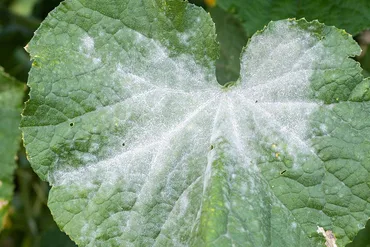
This disease causes a white, powdery coating on leaves, stems, and flower stalks, often appearing in crowded or humid conditions.
Symptoms include distorted growth and premature leaf drop if the infection is heavy.
Solution
Improve air circulation by thinning crowded stems and avoid overhead watering so foliage dries quickly.
Remove and discard heavily affected leaves, water at the base in the morning, and, if needed, use a labeled sulfur or potassium bicarbonate fungicide at the first sign of symptoms.
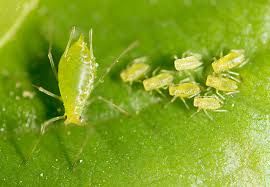
These insects cluster on tender stems and flower spikes, sucking sap and causing distorted, sticky growth with honeydew that may attract ants.
This pest can stunt new shoots and reduce flowering when populations are high.
Solution
Spray plants with a strong stream of water to dislodge colonies from stems and flower spikes, repeating every few days.
Apply insecticidal soap or a light horticultural oil, coating all plant surfaces, and encourage natural predators like lady beetles by avoiding broad-spectrum insecticides nearby.
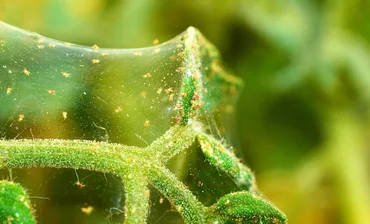
These pests are tiny sap-sucking arachnids that thrive in hot, dry conditions, causing fine stippling on leaves, bronzing, and light webbing between stems and foliage.
Symptoms include dull, speckled leaves that may dry and drop early.
Solution
Increase humidity around the plants slightly by mulching the soil and avoid prolonged drought stress, then wash foliage thoroughly with water.
Use insecticidal soap or a summer horticultural oil, applied in repeated treatments to break the life cycle while monitoring for heat-related leaf burn.
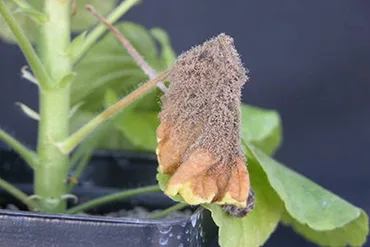
This disease leads to soft, water-soaked spots on leaves, stems, or flower spikes that quickly develop gray, fuzzy mold, especially during cool, wet weather.
Symptoms include dieback of young shoots and rotting of spent flower spikes left on the plant.
Solution
Promptly remove and discard faded flower spikes and any infected plant parts, and keep the area around the plant free of dead foliage to lower humidity near the crown. I
mprove air movement by proper spacing, avoid wetting the foliage, and if conditions stay cool and damp, consider a preventive fungicide labeled for Botrytis,.
This species is native to central and eastern Europe, where it occurs naturally in open woodlands, forest edges, and steppe-like grasslands on moderately dry, often calcareous soils.
The upright flower spikes with many small, tubular blossoms are adapted for bees, which trigger a lever-like stamen mechanism that dusts them with pollen as they probe for nectar.
In cultivation, this plant often produces a second flush of flowers if spent inflorescences are cut back, reflecting its natural tendency to rebloom after disturbance in its native habitats.

The species name nemorosa comes from the Latin word nemorosus, meaning wooded or belonging to groves, referring to this sage’s typical occurrence along light woodland margins rather than in deep forest.
Poor flowering usually comes from too little sun, excessive nitrogen fertilizer, or old, woody stems. Deadhead faded spikes, avoid high-nitrogen feeds, and divide or rejuvenate clumps every few years to maintain strong flowering.
Keep your plants happy and healthy with plant identification, disease detection, and easy care guidance.