


Provide sturdy support
Install a strong trellis, obelisk, or wires at planting time so vines can be tied loosely with soft ties as they grow, which reduces stem breakage and keeps the plant flowering along the full height of the support.

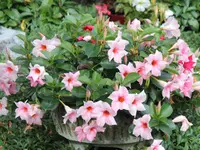
Brazilian jasmine, Mandevilla sanderi, is a tropical flowering vine valued for its showy trumpet-shaped blooms and glossy, evergreen leaves. It is often grown on trellises, fences, or in containers.
This species originates from Brazil, where it grows in warm, humid conditions. In cultivation it is usually treated as a decorative patio or indoor accent plant in cooler climates.
The plant is moderately easy to manage if its basic needs are met, which helps when learning how to care for Brazilian jasmine. It prefers bright light, consistent but not waterlogged moisture, and well-drained, fertile soil.

Care Difficulty
Moderate Care

Light Preference
Full Sun

Water Requirements
Moderate Water

Temperature Preference
Tropical / Frost Sensitive

Hardiness Zone
10–11

Soil Texture
Sandy, Loamy, Organic-rich

Soil pH
Acidic (5.5–6.5), Slightly acidic (6.5–7.0)

Soil Drainage
Moist but well-drained

Fertilization
Moderate (every 2–4 weeks)
Scan your plant to receive care tips personalized for your specific plant
Available on iOS and Android
Mandevilla sanderi needs bright light to flower well while avoiding harsh, burning sun.
Mandevilla sanderi prefers evenly moist, well-drained soil that never stays soggy.
This plant thrives in warm, stable conditions and is sensitive to cold and frost.
This species prefers moderate to high humidity but copes with typical indoor levels if watering is consistent.
This vine needs sharply drained yet moisture-retentive soil to support fast growth and reduce root problems.
This species is well suited to container growing on patios, balconies, and other warm outdoor spots.
Mandevilla sanderi responds well to consistent feeding during its warm growing season.
Mandevilla sanderi benefits from structured pruning to manage size and encourage flowering.
Container-grown plants often need periodic repotting to maintain healthy root growth and flowering.
New plants are most commonly produced from stem cuttings rather than seed for consistent Mandevilla sanderi plant care.
This tropical vine is frost-sensitive and needs protection in regions with cold winters.

Plant Health Check
Not sure what's wrong with your plant? Check your plant's health inside the app.
This species is native to rocky, granite outcrops and coastal slopes in southeastern Brazil, where it naturally scrambles over shrubs and low trees in well-drained, often nutrient-poor soils.
Its stems and leaves contain laticifers, specialized cells that produce a white, latex-like sap typical of the Apocynaceae family, which likely helps deter herbivores and seal wounds after damage.
In its native range, the bright tubular flowers are visited primarily by hummingbirds and large butterflies, which are well adapted to reach nectar deep inside the corolla tube.

This species was first described in the late 19th century and quickly became a popular ornamental in Europe, contributing significantly to modern hybrid breeding programs that have produced many of the compact, large-flowered mandevilla cultivars sold today.
Yellow leaves often result from overwatering, poor drainage, or nutrient imbalance, especially nitrogen or iron. Check that the pot drains freely, let the top layer of soil dry slightly between waterings, and consider a balanced, diluted fertilizer.
Keep your plants happy and healthy with plant identification, disease detection, and easy care guidance.

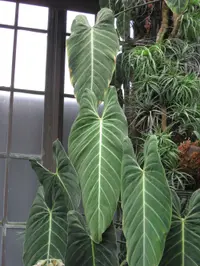 POPULAR
Philodendron melanochrysum
Philodendron melanochrysum
Codonanthe devosiana
Codonanthe devosiana
Scaphyglottis prolifera
Scaphyglottis prolifera
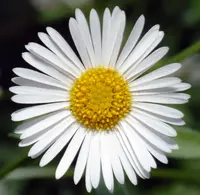
Santa Barbara daisy
Erigeron karvinskianus
 POPULAR
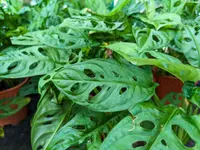
Swiss Cheese Vine
Monstera adansonii
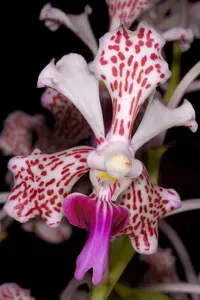
Vanda tricolor
Vanda tricolor
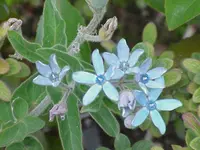
Tweedia
Oxypetalum coeruleum
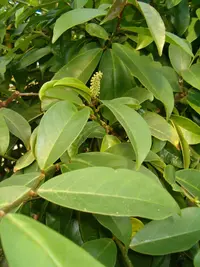
bignay
Antidesma bunius