Sage Care (Salvia Mystic Spires)

Also known as: Salvia

About Sage

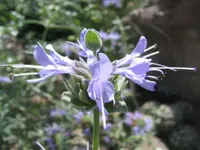
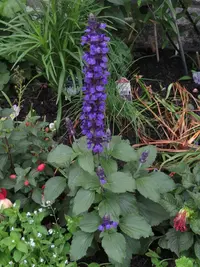
Salvia Mystic Spires is a compact, herbaceous perennial sage grown mainly for its long-lasting blue flower spikes and tidy, bushy shape. It stays smaller than many other salvias, which makes it suitable for borders, containers, and smaller gardens.

This plant is derived from garden hybrids rather than a wild species, but it performs well in many warm temperate regions. It typically flowers over a long season, attracting bees, butterflies, and other pollinators.

Salvia Mystic Spires is considered relatively easy to grow, as it tolerates heat, short dry spells, and average garden soils if drainage is good. In simple terms, understanding how to care for Salvia Mystic Spires mostly comes down to giving it plenty of sun and avoiding waterlogged conditions.

Main Plant Requirements

Care Difficulty

Easy Care

Light Preference

Full Sun

Water Requirements

Moderate Water

Temperature Preference

Warm Climate

Hardiness Zone

7–10

Soil Texture

Sandy, Loamy, Organic-rich

Soil pH

Acidic (5.5–6.5), Slightly acidic (6.5–7.0)

Soil Drainage

Well-drained

Fertilization

Light (every 4–6 weeks)

Get Personalized Care Plan

Scan your plant to receive care tips personalized for your specific plant

Personalized Care in the App

Available on iOS and Android

How to Care for the Sage

This compact perennial salvia performs best in bright, direct outdoor light with some protection from harsh extremes.

  • Provide 6–8 hours of direct sun daily, ideally with morning sun and light afternoon shade in hotter regions to reduce leaf scorch.
  • In cooler climates it tolerates full sun all day; in very hot summers, give filtered light or dappled shade during the peak afternoon hours.
  • If stems elongate, flowering declines, or foliage looks sparse, the plant is likely in too much shade and needs a sunnier position for optimal Salvia Mystic Spires care.

This salvia prefers evenly moist but not saturated soil, with short dry periods between waterings.

  • Outdoors in the ground, water thoroughly when the top 3–5 cm of soil feels dry, then allow it to drain completely before the next watering.
  • Reduce frequency in cool or rainy weather and increase slightly during hot, windy periods, always using soil dryness as the main guide.
  • Watch for wilting, crisp leaves, and poor flowering as signs of underwatering, and yellowing, soft stems, or a sour soil smell as signs of overwatering.

This plant tolerates a range of outdoor temperatures but grows best in mild, stable conditions.

  • Aim for active growth in 65–80Β°F (18–27Β°C); flowering is strongest with warm days and slightly cooler nights.
  • Plants generally tolerate down to about 20–25Β°F (-6 to -4Β°C), but repeated hard frosts may damage top growth, especially in exposed sites.
  • In hot regions, it manages brief spikes to 95–100Β°F (35–38Β°C) if soil is not waterlogged and roots are mulched, but prolonged extreme heat can reduce blooming.

This plant handles typical outdoor humidity and does not need special humidity management.

This salvia prefers freely draining, moderately fertile soil that does not stay wet.

  • Use a loamy or sandy loam structure with plenty of coarse particles so water moves through quickly.
  • Aim for neutral to slightly alkaline pH around 6.5–7.5, avoiding very acidic mixes that limit nutrient availability.
  • Blend garden soil with compost and sharp sand or fine gravel to improve both nutrition and drainage for growing Salvia Mystic Spires.
  • Avoid compacted, heavy clay or spots where water puddles, as root systems decline quickly in low-oxygen, saturated conditions.

This species is well suited to container growing outdoors on patios or balconies.

  • Choose a pot at least 30–35 cm wide so roots can spread and the tall stems do not topple the container in wind.
  • Select a heavier material such as ceramic or thick-walled plastic to stabilize the plant’s upright flower spikes.
  • Elevate the pot slightly on feet or bricks so drainage holes stay clear and runoff moves away from the base.

This compact salvia benefits from light but consistent feeding during the active growing season.

  • Use a balanced, slow-release granular fertilizer (around 10-10-10) or a thin layer of compost in spring for Salvia Mystic Spires.
  • Apply fertilizer every 6–8 weeks from spring to late summer for container plants; once in spring is usually enough in rich garden soil.
  • Dilute liquid feeds to 1/2 strength to avoid salt buildup and soft, weak growth.
  • Stop feeding in fall and winter so the plant can slow growth and harden for cooler conditions.

Pruning supports dense growth and repeat flowering on this compact salvia.

  • In late winter or early spring, cut back old stems to 10–15 cm above the base to refresh the plant and maintain shape.
  • Deadhead spent flower spikes through summer by cutting just above a pair of leaves to encourage more blooms.
  • Remove dead, damaged, or crossing stems whenever noticed, using clean, sharp hand pruners to reduce disease risk.
  • After the first heavy flush of blooms, give the plant a light trim to keep it compact and prevent flopping.

This salvia performs best in the ground but can adapt to containers or be moved in the landscape when handled carefully.

  • Plan major transplanting of Salvia Mystic Spires for early spring or early fall, avoiding extreme heat or frost.
  • Look for signs such as roots circling the pot, water running off quickly, or slowed growth to decide when to shift to a slightly larger container.
  • Dig with a wide root ball or slide the root mass out gently, keeping as much soil around the roots as possible to limit shock.
  • Replant into well-drained soil at the same depth, water thoroughly, then keep evenly moist and shaded from strong sun for 3–5 days.

This salvia is commonly propagated to maintain identical flowering and growth traits.

  • Take 7–10 cm softwood or semi-ripe stem cuttings in late spring or early summer, just below a node.
  • Strip lower leaves, dip the cut end in rooting hormone, and place in a free-draining mix such as 50% perlite and 50% potting soil.
  • Keep cuttings bright but out of direct midday sun, with consistently moist (not wet) substrate and 65–75Β°F temperatures.
  • For clump division, lift mature plants in early spring, split the root mass into sections with shoots and roots, then replant promptly.

This plant is moderately cold hardy but benefits from simple winter preparation in cooler climates.

  • In USDA zones around 6–9, established plants usually overwinter in the ground with minimal loss of crowns.
  • After hard frost, cut back blackened stems to 5–10 cm above soil to tidy and reduce disease.
  • Apply a 5–8 cm mulch layer around, but not against, the crown to insulate roots and moderate soil temperature.
  • Move container-grown plants to a sheltered, frost-free or slightly protected spot, keeping soil barely moist through winter.

Care Tips

Staggered Deadheading

Remove spent flower spikes in stages, cutting just above a lower set of healthy leaves, to encourage continuous blooming while preserving enough foliage to support strong regrowth when growing Salvia Mystic Spires.

Seasonal Rejuvenation Cut

In late summer, shear plants back by about one-third and water well afterward to trigger a dense flush of new foliage and a second round of flowering before frost.

Root Zone Mulching

Apply a 5–7 cm layer of composted bark or leaf mold around the base, keeping it a few cm away from the stems, to stabilize soil moisture and reduce heat stress without encouraging stem rot.

Targeted Airflow Management

Space plants so mature foliage just avoids touching and thin crowded stems in the center to improve airflow, which reduces foliar diseases and helps the plant dry quickly after rain or overhead irrigation.

Pollinator-Friendly Spacing

Plant in loose drifts or small groups with 30–40 cm between clumps to make it easier for bees and butterflies to move among blooms, which supports heavier flowering and more consistent seed set.

Common Pests and Diseases

Aphids

This pest feeds on tender shoot tips and flower stems, sucking sap and causing curling or distortion of new growth and sticky honeydew on leaves.

Solution

Spray infested stems with a strong stream of water to dislodge insects, then treat remaining colonies with insecticidal soap or a neem oil spray, repeating every 5–7 days until controlled. Encourage natural predators such as lady beetles and avoid high-nitrogen fertilization that promotes very soft, aphid-prone growth when growing Salvia Mystic Spires.

Spider mites

These insects thrive in hot, dry weather and cause fine stippling, bronzing, and dulling of foliage, often with delicate webbing between leaves and stems.

Solution

Rinse foliage thoroughly with water, including leaf undersides, and increase humidity around plants by mulching and avoiding prolonged drought stress. If populations remain high, apply insecticidal soap or a horticultural oil labeled for mites, making sure to cover the undersides of leaves and repeating at 5–7 day intervals as needed.

Whiteflies

This pest gathers on leaf undersides, especially in warm sheltered spots, causing yellowing leaves, reduced vigor, and sticky honeydew that can lead to sooty mold.

Solution

Shake plants to check for small white insects flying up, then use yellow sticky traps to reduce adult numbers and regularly hose down foliage to remove nymphs. For persistent infestations, apply insecticidal soap or neem oil thoroughly to leaf undersides, repeating treatments and removing heavily infested leaves if practical.

Powdery mildew

This disease appears as white, talc-like patches on leaves and stems, which can lead to distorted foliage and reduced flowering during periods of warm days and cool, humid nights.

Solution

Improve air circulation by spacing plants properly, thinning dense growth, and avoiding overhead watering late in the day. Remove and discard heavily infected leaves, then use a sulfur or potassium bicarbonate fungicide labeled for ornamentals at the first sign of disease, repeating according to label directions until conditions dry out.

Botrytis blight

This disease causes gray, fuzzy mold on spent flowers, buds, and sometimes leaves, especially during cool, wet weather or in crowded plantings.

Solution

Promptly deadhead spent flower spikes and remove any mushy or moldy tissue to reduce spore levels. Improve drainage and airflow, avoid wetting the foliage, and in severe or recurring cases apply a fungicide labeled for botrytis on ornamentals, focusing on flower clusters and dense canopy areas.

Interesting Facts

Compact sterile hybrid

Salvia 'Mystic Spires Blue' is a compact, naturally dwarf selection derived from Salvia longispicata Γ— farinacea that produces almost no viable seed, so it flowers for a long period without putting energy into seed production.

Extended bloom season

In mild climates this cultivar can flower from late spring to frost when deadheaded, because its hybrid parentage gives it strong repeat-blooming behavior compared with many traditional salvias.

Pollinator magnet spikes

Its dense, upright blue flower spikes are especially attractive to bees and hummingbirds, providing a concentrated nectar source that is easy for pollinators to visit repeatedly during the day.

FAQs about Sage

Poor flowering usually comes from too little light, depleted soil nutrients, or old, unpruned stems. Deadhead spent flower spikes, feed lightly with a balanced fertilizer, and ensure it receives enough direct sun to support bud formation.

Grow Healthy Plants with Botan Care

Keep your plants happy and healthy with plant identification, disease detection, and easy care guidance.

Botan plant care app β€” identify plants on mobile

Explore More Plants