


Control Self-Seeding
Remove spent flower clusters before seeds mature if you want to keep the plant contained, as this species readily self-sows into nearby pots and cracks.

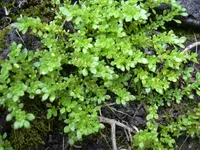
The artillery plant, Pilea microphylla, is a small, soft-stemmed perennial often grown as a houseplant or terrarium specimen. It forms low, dense cushions of tiny, closely packed leaves on many branching stems. In nature it occurs in tropical and subtropical regions of the Americas and has naturalized in warm climates worldwide. Its fine texture and compact habit make it suitable for small containers, dish gardens, and indoor decorative use. This species grows quickly and is generally easy to manage if given bright, indirect light, evenly moist but not soggy soil, and mild indoor temperatures. Understanding how to care for Artillery plant mainly involves avoiding extremes in dryness, cold, or direct, harsh sun.

Care Difficulty
Easy Care

Light Preference
Partial Shade

Water Requirements
Keep Soil Moist

Temperature Preference
Tropical / Frost Sensitive

Hardiness Zone
10–12

Soil Texture
Loamy, Sandy, Organic-rich

Soil pH
Acidic (5.5–6.5), Slightly acidic (6.5–7.0)

Soil Drainage
Moist but well-drained

Fertilization
Light (every 4–6 weeks)
Scan your plant to receive care tips personalized for your specific plant
Available on iOS and Android
Pilea microphylla performs best with bright, indirect light and protection from harsh midday sun.
This shallow-rooted plant prefers lightly moist but never waterlogged soil.
This species prefers warm, frost-free conditions to maintain dense foliage.
This species prefers moderately humid air but usually adapts to typical indoor conditions.
Pilea microphylla prefers light, well-aerated soil that drains quickly yet retains some moisture.
This species is well suited to container growing, including shallow pots and dish gardens.
Pilea microphylla responds well to light, consistent feeding during its active growing season.
Pilea microphylla benefits from periodic pruning to maintain a compact, tidy form.
This shallow-rooted plant prefers modest containers and only occasional repotting.
Pilea microphylla is commonly propagated to refresh dense mats or create new small clumps.
In mild climates, this species needs only simple winter care, especially when grown in containers.

Plant Health Check
Not sure what's wrong with your plant? Check your plant's health inside the app.
The tiny flowers use a spring-like mechanism in their stamens to eject pollen into the air, creating the “artillery” effect that inspired its common name. This rapid pollen discharge is a form of explosive pollination, a known but relatively uncommon strategy in flowering plants.
This species naturally forms dense, low mounds and ground-hugging mats composed of many highly branched, succulent-like stems. In warm climates it can spread quickly in rock crevices, walls, and pavements, which has led to its use as a small-scale groundcover in some regions.
In its native and naturalized ranges, this plant often colonizes limestone walls, rocky outcrops, and old masonry. Its ability to tolerate alkaline, mineral-rich substrates helps it establish in built environments such as stone steps, walls, and ruins.

Pilea microphylla is considered naturalized or invasive in several tropical and subtropical regions, where it can outcompete native low-growing flora by forming dense mats in disturbed habitats such as roadsides, urban walls, and abandoned lots.
Leggy growth usually comes from insufficient light or from plants grown too warm and crowded. Provide brighter, indirect light, pinch back soft tips to branch, and rotate the pot regularly so all sides receive similar light exposure.
Keep your plants happy and healthy with plant identification, disease detection, and easy care guidance.

 POPULAR
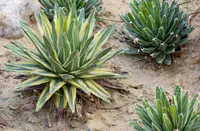
Foxtail Agave
Agave attenuata
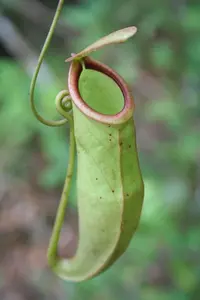
common swamp pitcher-plant
Nepenthes mirabilis
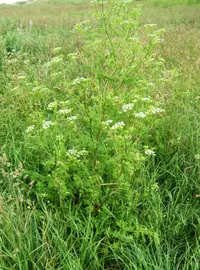
poison hemlock
Conium maculatum
Imperial Taro
Colocasia esculenta 'Illustris'
common boneset
Eupatorium perfoliatum
gale of the wind
Phyllanthus niruri
Philodendron bipennifolium
Philodendron bipennifolium
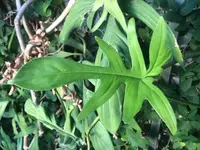
Philodendron panduriforme
Philodendron panduriforme