Rotate For Symmetry
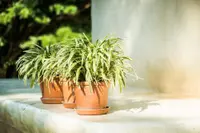
Turn the pot 90° every 1–2 weeks so new leaves orient evenly toward the light, which keeps the plant balanced and reduces the risk of it leaning and toppling over.

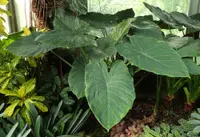
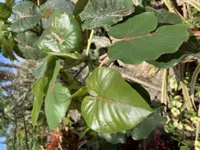
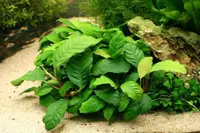
Hardy elephant's ear (Alocasia wentii) is a rhizomatous tropical perennial grown mainly for its bold, upright foliage. It forms clumps of large, heart-shaped leaves with deep green tops and metallic bronze or purple undersides.
This species comes from cooler, upland tropical forests in parts of Southeast Asia, which helps it tolerate slightly lower temperatures than many other alocasias. Its dramatic foliage and compact, architectural habit make it popular for shaded borders, containers, and sheltered patios.
Alocasia wentii prefers bright, indirect light, evenly moist but not waterlogged soil, and good drainage. These needs, along with sensitivity to cold and overwatering, guide how to care for Hardy Elephant's Ear.

Care Difficulty
Moderate Care

Light Preference
Bright Indirect Light

Water Requirements
Keep Soil Moist

Temperature Preference
Tropical / Frost Sensitive

Hardiness Zone
9–11

Soil Texture
Loamy, Peaty, Organic-rich

Soil pH
Acidic (5.5–6.5), Slightly acidic (6.5–7.0)

Soil Drainage
Moist but well-drained

Fertilization
Moderate (every 2–4 weeks)
Scan your plant to receive care tips personalized for your specific plant
Available on iOS and Android
Alocasia wentii prefers bright, indirect light that mimics dappled forest shade.
Alocasia wentii needs consistently lightly moist soil without becoming waterlogged.
This species grows best in stable, warm conditions with no exposure to frost.
This species prefers fairly high humidity and reacts quickly to dry air.
This plant needs loose, airy, organic-rich soil that drains fast but does not dry out instantly.
This species is well-suited to container growing when the pot is chosen to support its fast, upright growth.
Alocasia wentii benefits from light, consistent feeding during the active growing season for strong foliage.
Alocasia wentii needs only light, maintenance pruning to keep foliage healthy and tidy.
This alocasia prefers slightly snug pots but benefits from periodic repotting to refresh soil and support growth.
Division is the standard way to increase Alocasia wentii, using offsets that form around the main plant.
This alocasia is not frost-tolerant and needs protection in regions with cold winters.

Plant Health Check
Not sure what's wrong with your plant? Check your plant's health inside the app.
This species is known for leaves that are matte green on top and a contrasting metallic purple-brown underneath, a combination that is more pronounced in A. wentii than in many related alocasia species.
Compared with many tropical alocasias, this plant tolerates slightly cooler temperatures and has been grown outdoors year-round in mild, frost-free gardens, which is one reason it is often marketed as Hardy Elephant's Ear in temperate regions.
In cultivation, this species typically forms a dense clump with medium-sized, upward-facing leaves, reflecting its natural adaptation to understory light levels rather than full, open sun exposure.
Brown leaf edges usually come from low humidity, underwatering, or fertilizer burn. Large brown patches can follow sun scorch or cold drafts. Remove damaged leaves, adjust watering, and protect from temperature extremes to prevent further tissue damage.
Keep your plants happy and healthy with plant identification, disease detection, and easy care guidance.