String of Nickels Care (Dischidia nummularia)

Also known as: Button orchid

About String of Nickels

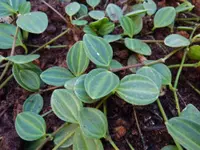
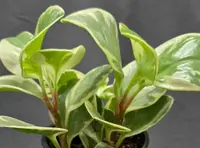
String of nickels, Dischidia nummularia, is an epiphytic trailing plant that often grows on tree trunks and branches in tropical forests of Southeast Asia and Australia. It forms long cascading stems covered with small, round, coin-like leaves.

In the home, it is usually grown in hanging baskets or mounted on wood, where its compact foliage creates a dense, textured curtain. It prefers bright, filtered light, airy growing media, and moderate moisture that never stays waterlogged.

This species is generally considered manageable for growers with some experience, as it dislikes overwatering and poorly ventilated conditions. Learning how to care for String of Nickels mainly involves balancing humidity, light, and airflow so the roots do not stay wet for long periods.

Main Plant Requirements

Care Difficulty

Moderate Care

Light Preference

Bright Indirect Light

Water Requirements

Moderate Water

Temperature Preference

Tropical / Frost Sensitive

Hardiness Zone

11–12

Soil Texture

Sandy, Organic-rich

Soil pH

Acidic (5.5–6.5), Slightly acidic (6.5–7.0)

Soil Drainage

Well-drained

Fertilization

Light (every 4–6 weeks)

Get Personalized Care Plan

Scan your plant to receive care tips personalized for your specific plant

Personalized Care in the App

Available on iOS and Android

How to Care for the String of Nickels

This epiphytic species prefers bright, indirect light that mimics dappled forest conditions.

  • Provide 6–8 hours of bright, filtered light each day, such as near an east or bright north window, or under 30–50% shade cloth outdoors.
  • Allow gentle early morning sun but protect from strong midday or afternoon sun, which can cause leaf scorch, yellowing, or crispy patches on String of Nickels.
  • In winter, move the plant closer to bright windows or supplement with grow lights if stems stretch or leaf spacing increases, indicating low light.

Dischidia nummularia prefers light, even moisture with brief drying between waterings.

  • Water when the top 2–3 cm of the mix feels dry and the pot feels noticeably lighter, rather than on a fixed schedule.
  • Use a very free-draining mix and containers or mounts with excellent drainage so excess water runs out quickly and roots do not sit in soggy media.
  • Reduce watering in cooler months when growth slows, watching for shriveling leaves as a sign of underwatering and yellow, mushy leaves as a sign of overwatering.

This plant thrives in consistently warm, frost-free conditions with only mild temperature swings.

  • Aim for 65–80°F (18–27°C) for best growth, similar to a warm, shaded tropical understory environment.
  • Protect from cold; growth slows below 60°F (16°C), and damage can occur near 40°F (4°C), with any frost likely to kill foliage and stems.
  • Tolerate short heat spells up to about 90°F (32°C) if humidity is moderate and airflow is good, but avoid hot, dry drafts or surfaces that can overheat roots.

This epiphytic species prefers moderately high humidity for compact, healthy foliage.

  • Aim for 50–70% humidity; it tolerates brief dips lower but prolonged very dry air leads to leaf edge browning and shriveling.
  • Watch for curling, thin leaves and stalled growth as signs of humidity stress in String of Nickels.
  • Increase humidity with a nearby tray of water and pebbles, grouping plants, or a small cool-mist humidifier rather than misting heavily.

This plant needs a very airy, fast-draining substrate that mimics its natural epiphytic habitat.

  • Use a chunky mix such as 40% fine orchid bark, 30% perlite or pumice, and 30% peat-based or coco coir medium for Dischidia nummularia.
  • Aim for slightly acidic to neutral pH around 6.0–7.0, which supports nutrient uptake without risking toxicity.
  • Keep the texture open and loose; large pores allow roots to access oxygen and dry slightly between waterings, preventing rot.
  • Avoid dense garden soil, heavy peat slurries, or mixes that stay wet for more than 3–4 days after watering.

This species is very suitable for container growing, especially in hanging or wall-mounted pots.

  • Choose shallow but wide containers to match the surface-hugging root system and encourage trailing stems to cascade over the rim.
  • Use rigid, stable hanging pots or wall planters that will not tip as the plant becomes unevenly weighted on one side.
  • Select breathable materials like terracotta if overwatering is a risk, or plastic if faster drying is a concern in very arid homes.

This epiphytic succulent needs only light feeding to stay healthy, so avoid heavy or frequent fertilization for String of Nickels.

  • Use a balanced liquid fertilizer (around 10-10-10 or 20-20-20) diluted to 25–50% strength.
  • Feed every 4–6 weeks during spring and summer, when growth is most active.
  • Skip compost-heavy mixes; choose a low-salt formula suited to epiphytes or succulents.
  • Reduce or stop feeding in autumn and winter, when growth slows and roots are less active.

Pruning Dischidia nummularia is mainly used to control length and keep the plant tidy in hanging baskets or mounted displays.

  • Trim in late winter or early spring, before the main growth flush starts.
  • Remove dead, yellowing, or damaged stems first, then cut back overly long or tangled shoots.
  • Use clean, sharp scissors or small pruning shears to make neat cuts just above a node.
  • Moderate pruning encourages bushier growth and more evenly filled cascades, without harming plant health.

This species prefers slightly tight conditions and is usually repotted only when clearly rootbound or declining.

  • Check for roots circling the pot, escaping drainage holes, or potting mix that dries out extremely fast as signs to move up.
  • Plan repotting for spring, every 2–3 years, when active growth helps the plant recover.
  • Choose a shallow pot with excellent drainage and a very airy mix, such as orchid bark with some perlite and a little peat or coco coir.
  • Handle roots gently, keep the old root ball mostly intact, and water lightly after repotting to limit transplant shock.

New plants are most often produced from stem cuttings, which root reliably in warm, humid conditions.

  • Take 5–8 cm stem cuttings of Dischidia nummularia in late spring or summer, with at least 2–3 nodes per piece.
  • Remove the lowest leaves and place nodes in contact with moist, airy medium such as sphagnum moss or a perlite mix.
  • Maintain bright, indirect light, high humidity, and temperatures around 70–80°F for best rooting.
  • Optionally use a rooting hormone on cut ends and provide gentle bottom warmth to speed root formation.

This tropical epiphyte is frost-sensitive and needs mild, protected conditions during winter in cooler climates.

  • Keep temperatures above 55°F; prolonged exposure near freezing can kill foliage and stems.
  • Grow outdoor container plants in summer only, then move them indoors before night temperatures drop below 60°F.
  • Place indoors in bright, indirect light, reduce watering, and avoid cold drafts from windows or doors.

Care Tips

Mounting on Support

Attach the plant to a piece of cork, bark, or a slatted mount using soft plant ties or nylon thread so roots can adhere and form a natural trailing mat rather than tangling in a deep pot.

Basket Edge Training

Plant slightly off-center in a shallow hanging basket and gently drape new vines over the rim as they grow to encourage even, circular coverage and reduce bare patches in the middle.

Airflow Management

Place the plant where there is gentle, constant air movement from a ceiling or oscillating fan to keep foliage dry between waterings and reduce the risk of fungal spots and rot.

Root Health Checks

Once or twice a year, unpot gently and inspect the fine roots, trimming any brown, mushy sections with sterilized scissors and resetting the plant in fresh, airy mix to maintain strong uptake and prevent decline.

Controlled Propagation

Take 2–4 in tip cuttings with at least 2 nodes, lay them on moist sphagnum or a fine orchid mix, and keep them in a ventilated container so you can easily multiply plants or replace leggy sections when caring for String of Nickels.

Common Pests and Diseases

Mealybugs

This pest feeds on plant sap, often hiding in leaf nodes and under the rounded leaves, causing yellowing, distortion, and sticky honeydew deposits.

Solution

Remove visible insects with a cotton swab dipped in 70% isopropyl alcohol, then rinse vines under a gentle stream of lukewarm water and improve air circulation. For persistent infestations, apply a ready-to-use insecticidal soap or neem oil spray every 7–10 days, ensuring full coverage of both sides of the leaves and stems.

Scale insects

These insects attach firmly to stems and leaf undersides as small brown or tan bumps, sucking sap and weakening the plant over time.

Solution

Gently scrape or wipe off individual scales with a soft cloth or cotton swab dipped in alcohol, then wash the plant to remove honeydew. Follow up with several applications of horticultural oil or neem oil, focusing on stems and leaf joints where young crawlers hide, and isolate the plant from others during treatment.

Spider mites

This pest thrives in warm, dry indoor air and causes fine stippling, dull leaves, and delicate webbing between the small coin-shaped leaves.

Solution

Shower the plant thoroughly to dislodge mites, then increase humidity and avoid placing the plant in very dry, drafty spots to support String of Nickels indoor care. If mites persist, use insecticidal soap or a miticide labeled for houseplants, repeating applications as directed and rotating products if needed.

Sooty mold

This disease appears as a black, sootlike coating on leaves and stems, growing on sticky honeydew left by sap-feeding insects such as mealybugs and scale.

Solution

First control the underlying insect problem, then gently wipe affected leaves with a damp cloth or rinse the plant under lukewarm water to remove mold. Improve airflow and avoid overcrowding plants so foliage dries quickly after watering or misting, which helps prevent regrowth of the fungus.

Interesting Facts

Coin-like leaf design

This species develops small, round, succulent leaves that overlap along the stem, creating a shingled effect that helps maximize light capture on tree trunks in its native forests.

Epiphyte with air roots

It typically grows as an epiphyte, anchoring itself on tree bark with aerial roots that absorb moisture and nutrients from rain, fog, and organic debris rather than from soil.

Ant-associated habitats

In parts of its range, it is often found growing near ant nests on trees, where ant activity increases local nutrient availability and may help the plant access more dissolved minerals.

Botan icon

Did you know?

This species can form dense, curtain-like hanging mats several meters long on exposed tree branches in tropical forests, creating miniature habitats that shelter small invertebrates and help trap organic particles from rainwater and falling debris.

FAQs about String of Nickels

Yellowing leaves usually result from excess moisture around the roots, poor drainage, or aging foliage. Check for soggy substrate, improve aeration, and remove old leaves. If the plant is firm and producing new growth, mild yellowing is normal.

Grow Healthy Plants with Botan Care

Keep your plants happy and healthy with plant identification, disease detection, and easy care guidance.

Botan plant care app — identify plants on mobile

Explore More Plants