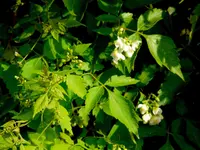
Greater periwinkle Care (Vinca major)

Also known as: bigleaf periwinkle, large periwinkle, blue periwinkle, Band Plant, Blue Buttons, Great Periwinkle

About Greater periwinkle

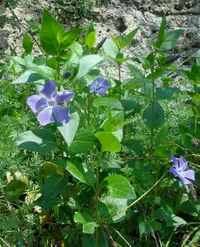
Greater periwinkle, Vinca major, is an evergreen, trailing perennial often used as a vigorous groundcover. It forms dense mats of glossy, dark green leaves with showy blue to violet flowers.

The plant is native to the Mediterranean region but is widely grown in gardens in mild and temperate climates. It can spread aggressively in favorable conditions, which makes it effective for erosion control but potentially invasive outdoors.

Vinca major is generally easy to grow, tolerating a range of light from partial shade to bright, indirect sun and coping with many well-drained soils. Its toughness and low maintenance needs influence how to care for Greater periwinkle, especially when managing its spread.

Main Plant Requirements

Care Difficulty

Easy Care

Light Preference

Partial Shade

Water Requirements

Moderate Water

Temperature Preference

Warm Climate

Hardiness Zone

7–9

Soil Texture

Sandy, Loamy, Clay

Soil pH

Acidic (5.5–6.5), Slightly acidic (6.5–7.0)

Soil Drainage

Moist but well-drained

Fertilization

Minimal (feed rarely)

Get Personalized Care Plan

Scan your plant to receive care tips personalized for your specific plant

Personalized Care in the App

Available on iOS and Android

How to Care for the Greater periwinkle

This spreading groundcover prefers bright conditions but adapts to a range of light levels in the garden.

  • Provide 3–6 hours of sun daily, ideally morning sun with afternoon shade, which supports dense foliage and flowering in Greater periwinkle.
  • Tolerates partial to full shade, especially under trees, but very deep shade can cause sparse growth and fewer blooms.
  • In hot summers, protect from intense afternoon sun to prevent leaf scorch; in cooler climates, plants can handle more direct exposure, especially in spring and fall.

This plant prefers slightly moist, well-drained soil and copes better with brief dryness than standing water.

  • Water when the top 3–5 cm of soil feel dry, using a slow soak so moisture reaches the root zone without leaving puddles.
  • During hot, dry periods, expect to water more often and watch for wilting or dull, folding leaves as a sign Vinca major needs moisture.
  • Ensure soil drains freely; yellowing leaves, soft stems, or a sour smell in the root area usually indicate overwatering or poor drainage.

This hardy groundcover tolerates a broad temperature range but grows best in mild conditions.

  • Optimal active growth occurs around 60–75°F (16–24°C), with most vigorous spread in spring and early summer.
  • Mature plants usually survive down to about 10–15°F (-12 to -9°C) with mulch, but foliage may burn or die back after hard frost.
  • Heat-tolerant up to about 90°F (32°C) if soil moisture is maintained; extended periods above this can cause stress, leaf scorch, and slowed growth.

Humidity is rarely a limiting factor for Vinca major in typical home or outdoor conditions.

Vinca major prefers loose, moderately fertile soil that drains freely but does not dry out extremely fast.

  • Use a loamy mix with 40–60% garden soil or potting soil plus 20–30% compost for organic matter and moisture retention.
  • Add 20–30% coarse sand or fine gravel to improve drainage and prevent waterlogging around the roots.
  • Aim for slightly acidic to neutral pH (6.0–7.0), avoiding strongly acidic or alkaline sites where nutrient uptake is reduced.
  • Avoid compacted clay or heavy, poorly drained areas; if unavoidable, raise the bed and incorporate coarse material to increase aeration.

This species is suitable for container growing, especially where spreading must be controlled.

  • Choose a wide, shallow to medium-depth pot to give its trailing, rooting stems room to spread without overcrowding the center root mass.
  • Use a heavier container material like ceramic or concrete in windy or exposed spots to keep the spreading foliage from tipping the pot.
  • Leave 2–3 cm between soil surface and rim so trailing stems and foliage do not direct water over the edge and starve the root zone of moisture.

Vinca major grows reliably with modest feeding when soil is not extremely poor.

  • Use a balanced, water-soluble fertilizer (for example 10-10-10) at 1/2 strength every 4–6 weeks in spring–summer during active growth.
  • Alternatively, top-dress with a thin layer of compost once in spring for gentle, slow nutrient release.
  • Pause feeding in late fall–winter, since the plant slows down and extra nutrients are not used.
  • Container-grown Greater periwinkle benefits most from feeding because nutrients leach out faster than in garden beds.

Pruning Vinca major helps control spread, keep a dense mat, and refresh older growth.

  • Cut back long, straggly runners in early spring or after flowering to maintain a tidy outline and limit invasiveness.
  • Remove dead, damaged, or winter-burned stems with clean hand pruners to reduce disease risk.
  • Thin crowded patches by lifting and trimming some stems to improve airflow and light penetration.
  • Shear lightly over large areas with sharp hedge shears, then rake out clippings to avoid smothering new growth.

Vinca major is more often transplanted in the ground than repotted, but container plants still need periodic size adjustments.

  • Transplant or repot in early spring or early fall when temperatures are mild and soil is workable.
  • Move plants when roots circle the pot, emerge from drainage holes, or growth becomes sparse despite good care.
  • Expect containers to need a size increase every 2–3 years, using a well-drained, humus-rich potting mix.
  • Water thoroughly before and after moving, keep roots shaded, and trim very long runners to limit moisture loss and transplant shock.

Vinca major is commonly multiplied to expand groundcover or fill bare patches.

  • Take 7–10 cm softwood or semi-ripe stem cuttings in late spring–summer, removing lower leaves and rooting in moist, free-draining mix.
  • Use simple layering by pinning a stem to moist soil until roots form, then sever and transplant the new plant.
  • Divide small clumps in early spring or early fall, replanting divisions at the same depth and watering well.
  • Seeds are slower and less reliable; provide light, even moisture, and mild warmth (60–70°F) for germination.

Vinca major is generally cold hardy and needs minimal winter care in most temperate climates.

  • In regions with sustained freezes, a 5–7 cm mulch layer around the root zone helps buffer temperature swings.
  • Leave foliage in place over winter where possible, as it shelters crowns and soil.
  • In very cold or exposed sites, use evergreen boughs or frost cloth to reduce leaf scorching and stem dieback.
  • Container plants in zones colder than their hardiness range should be overwintered in a cool, bright, frost-free area.

Care Tips

Contain Spreading Habit

Install a solid edging strip 15–20 cm deep around beds or use large containers to prevent this plant from rooting into lawns and nearby planting areas as stems creep outward.

Layering For Fill-In

Pin down long, flexible stems with U-shaped wire pins or small landscape staples where you want denser coverage, then lightly top-dress with compost so new roots form and gaps in the groundcover close faster.

Slope Stabilization Use

On eroding slopes, plant in staggered rows and lightly mulch between starts so the mat-forming stems knit together and help hold soil in place over 1–2 growing seasons.

Targeted Weed Suppression

Before the plants fully cover the area, use a narrow hand hoe to remove taller weeds poking through the mat so they do not shade the vinca and weaken its groundcover effect.

Regular Health Checks

During routine caring for Greater periwinkle, lift and inspect a few stems from different patches every 4–6 weeks to catch early signs of stem rot, scale insects, or mite damage before they spread through the whole colony.

Common Pests and Diseases

Leaf spot

This disease causes tan to dark-brown spots that often have purple to black margins on leaves and can lead to premature leaf drop in dense groundcover plantings.

Solution

Prune and discard affected leaves, thin crowded patches to improve airflow, and avoid overhead watering so foliage dries quickly; in severe, recurring cases, a copper-based fungicide labeled for ornamental groundcovers can be used according to label directions.

Stem canker

This disease produces dark, sunken lesions on creeping stems, which can girdle runners and cause wilting or dieback of patches, especially in moist, shaded sites.

Solution

Cut out and discard infected stems several inches back into healthy tissue, keep mulch pulled back slightly from stems, and reduce prolonged moisture by improving drainage and spacing; if needed, apply a systemic fungicide labeled for ornamental groundcovers during wet periods to protect new growth.

Botrytis blight

This disease develops in cool, damp weather and causes soft, brown lesions on leaves and flowers, often covered with gray, fuzzy mold, especially where debris is left in dense mats.

Solution

Remove faded flowers and dead or mushy foliage promptly, rake out old plant debris, and increase airflow by thinning runners; in persistently wet climates, a preventative fungicide for Botrytis can be used during high-risk periods, following label guidance carefully.

Aphids

These insects cluster on young shoots and undersides of leaves, sucking sap and causing leaf curling, distortion, and sticky honeydew that can lead to sooty mold on foliage.

Solution

Spray colonies off with a firm stream of water, then treat remaining infestations with insecticidal soap or neem oil, making sure to coat the undersides of leaves; encourage natural predators such as lady beetles by avoiding broad-spectrum insecticides.

Spider mites

This pest thrives in hot, dry conditions and causes fine stippling or bronzing on leaves, with very fine webbing visible between stems and foliage in advanced infestations.

Solution

Increase humidity around the planting and regularly hose down foliage to dislodge mites, then apply insecticidal soap or a horticultural oil to both upper and lower leaf surfaces; for outdoor beds, reducing drought stress with consistent watering helps prevent outbreaks and supports overall Vinca major plant care.

Interesting Facts

Mediterranean woodland origin

This species is native to the western and central Mediterranean region, where it naturally grows in open woodlands, scrub, and rocky slopes, often under evergreen oaks and other sclerophyllous shrubs adapted to dry summers.

Sterile but spreading

Many cultivated forms set few viable seeds and instead spread mainly by creeping stems that root at the nodes, which allows it to form dense, persistent ground layers that can exclude other low vegetation.

Alkaloid-containing foliage

The leaves and stems contain indole alkaloids, a class of nitrogen-containing compounds also found in related Apocynaceae species, which make the plant unpalatable to most herbivores and moderately toxic if ingested by pets or humans.

Botan icon

Did you know?

In several U.S. states and parts of Australia, this species is officially listed as an invasive plant because escaped garden populations can form extensive mats in moist, mild climates, altering understory structure and reducing native plant diversity in woodlands and riparian areas.

FAQs about Greater periwinkle

This species spreads quickly by trailing stems that root at the nodes, forming dense mats. In mild, moist climates it can become invasive. Use edging, root barriers, or confined beds, and remove unwanted runners regularly.

Grow Healthy Plants with Botan Care

Keep your plants happy and healthy with plant identification, disease detection, and easy care guidance.

Botan plant care app — identify plants on mobile

Explore More Plants