Pinch For Bushiness
Pinch out the soft tips of non-flowering shoots every 3–4 weeks in spring and early summer to keep plants compact, delay legginess, and trigger more lateral branches with flower clusters.

-1-200x133.webp)
Egyptian starcluster, Pentas lanceolata, is a sun-loving flowering shrub often grown as a bedding or container plant in warm climates. It is valued for dense clusters of small, star-shaped blooms that attract butterflies and hummingbirds.
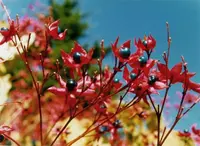
The plant has an upright, branching habit with slightly rough, green leaves that give it a sturdy, garden-worthy look. Flowers appear in rounded heads, usually in shades of red, pink, white, or lavender.
Native to East Africa and nearby regions, it prefers warm conditions and does best where summers are long. Its strong performance in heat and its ability to rebloom make it moderately easy to care for Egyptian starcluster, provided it receives ample light, regular moisture, and well-drained soil.

Care Difficulty
Moderate Care

Light Preference
Full Sun

Water Requirements
Moderate Water

Temperature Preference
Tropical / Frost Sensitive

Hardiness Zone
10–11

Soil Texture
Sandy, Loamy, Organic-rich

Soil pH
Acidic (5.5–6.5), Slightly acidic (6.5–7.0)

Soil Drainage
Moist but well-drained

Fertilization
Moderate (every 2–4 weeks)
Scan your plant to receive care tips personalized for your specific plant
Available on iOS and Android
Pentas lanceolata needs strong light to bloom heavily through the warm season.
Pentas lanceolata prefers evenly moist but not saturated soil during active growth.
This plant thrives in warm conditions and reacts poorly to cold or frost.
This species prefers moderately humid air but usually adapts to typical indoor and outdoor home conditions.
Pentas lanceolata grows best in loose, well-aerated, fast-draining soil that still holds some moisture.
This species is well suited to container growing for patios, balconies, and seasonal displays.
Pentas lanceolata responds well to modest, consistent feeding during the warm growing season.
Pruning Pentas lanceolata helps maintain a compact shape and encourages continuous flowering.
Pentas lanceolata in containers or beds benefits from occasional transplanting to maintain vigorous growth.
Pentas lanceolata is commonly propagated from softwood cuttings and seeds in warm conditions.
This tropical species is frost-sensitive and needs protection in regions with cold winters.

Plant Health Check
Not sure what's wrong with your plant? Check your plant's health inside the app.
The star-shaped flowers provide accessible nectar that strongly attracts long-tongued butterflies such as swallowtails and skippers, making Pentas lanceolata a key nectar plant in many butterfly gardens in warm climates.
This species evolved in hot, sunny habitats of eastern Africa and the Arabian Peninsula and has leaves with dense hairs and a slightly rough texture that help reduce water loss under intense light.
In frost-free regions with consistent warmth and moisture, this plant can flower almost continuously throughout the year, rather than in a single short seasonal flush.

Modern ornamental varieties of Pentas lanceolata have been selectively bred from wild African populations to produce unusually dense flower clusters and a broader color range, including vivid reds, pinks, and lavenders that are rarely seen together in wild forms.
Lack of blooms is often due to insufficient light, too much nitrogen fertilizer, or spent flower clusters not being removed. Trim off faded umbels and maintain steady warmth to support bud formation and continuous flowering.
Keep your plants happy and healthy with plant identification, disease detection, and easy care guidance.