flowering inch plant Care (Tradescantia cerinthoides)

About flowering inch plant

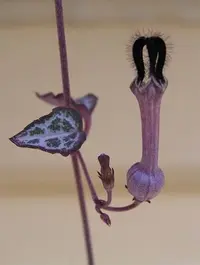
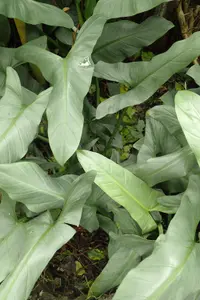
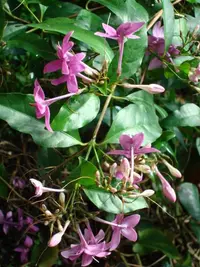
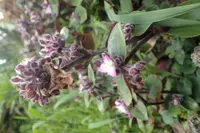
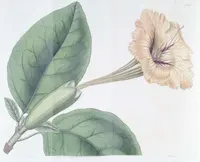
Tradescantia cerinthoides is a trailing perennial from South America, often grown as a houseplant or in hanging baskets. It belongs to the spiderwort group and forms dense, cascading stems. Leaves are usually oval, fleshy, and often tinted purple or bronze with a slightly fuzzy surface, creating a soft, full look. Small three-petaled flowers may appear, but the foliage is the main ornamental feature. This species grows fast and roots easily at stem nodes, which makes it simple to propagate and forgiving of minor care mistakes. To care for Tradescantia cerinthoides, provide bright indirect light, evenly moist but not soggy soil, and a well-draining potting mix.

Main Plant Requirements

Care Difficulty

Easy Care

Light Preference

Bright Indirect Light

Water Requirements

Moderate Water

Temperature Preference

Tropical / Frost Sensitive

Hardiness Zone

10–12

Soil Texture

Loamy, Sandy, Organic-rich

Soil pH

Acidic (5.5–6.5), Slightly acidic (6.5–7.0)

Soil Drainage

Moist but well-drained

Fertilization

Light (every 4–6 weeks)

Get Personalized Care Plan

Scan your plant to receive care tips personalized for your specific plant

Personalized Care in the App

Available on iOS and Android

How to Care for the flowering inch plant

Provide bright, indirect light to support compact growth and strong leaf color.

  • Aim for 4–6 hours of bright, filtered light daily, such as near an east- or north-facing window or under light shade outdoors.
  • Tolerates light shade, but in very low light stems stretch, leaves lose color, and growth becomes sparse over time.
  • Avoid harsh midday sun, especially behind glass; strong afternoon exposure can scorch foliage, so favor morning sun and dappled light in summer.

Maintain lightly moist but not saturated soil to avoid root problems.

  • Water when the top 2–3 cm of soil feels dry, using enough water so excess drains away, then empty any saucer to prevent standing water.
  • In spring and summer, you may water more often as growth speeds up; reduce frequency in fall and winter when growth slows.
  • Signs of overwatering include yellowing, mushy stems, and sour-smelling soil, while dry, crispy leaves and limp stems indicate the plant needs water.

Keep this plant in a warm, stable environment to sustain continuous growth.

  • Ideal temperatures are 65–80Β°F (18–27Β°C), which support active growth and help maintain dense, trailing stems.
  • Avoid temperatures below 55Β°F (13Β°C); Tradescantia cerinthoides suffers chilling injury near this range and is killed by frost.
  • In hot periods above 85Β°F (29Β°C), protect from intense direct sun, increase air movement, and monitor soil moisture to prevent heat stress and wilting.

This species grows best in moderately humid air but tolerates typical indoor conditions.

  • Aim for 40–60% humidity to keep foliage full and reduce crisping at the tips.
  • Tolerates short periods of drier air, but persistent levels below 30% can cause brown edges and slower growth.
  • Increase humidity with a nearby humidifier or grouped plants, rather than misting leaves, to limit fungal issues.

This plant prefers a loose, airy mix that drains quickly but retains some moisture.

  • Use a peat- or coco-based potting mix amended with 30–40% perlite for better aeration and drainage.
  • A slightly acidic to neutral pH around 6.0–7.0 suits Tradescantia cerinthoides roots well.
  • Ensure the mix feels springy, not compacted, so oxygen can reach the fine feeder roots.
  • Avoid heavy garden soil or dense clay-based mixes that stay wet and promote root rot.

This species is well suited to container growing, including hanging baskets and shallow pots.

  • Choose a pot that is wider than it is deep to accommodate trailing, spreading stems without crowding the root zone.
  • Select a stable container or hanging setup that prevents tipping as the foliage becomes fuller and heavier on one side.
  • Opt for breathable materials like terracotta if the mix stays wet too long, to allow faster moisture evaporation and root health.

This species responds well to modest feeding during active growth but does not need heavy fertilization.

  • Use a balanced liquid fertilizer (around 10-10-10 or 20-20-20) diluted to 1/4–1/2 strength for Tradescantia cerinthoides.
  • Feed every 4–6 weeks in spring and summer when growth is strongest.
  • Skip or greatly reduce feeding in fall and winter when growth slows.
  • Flush the pot with plain water every few months to reduce salt buildup in the soil.

Thoughtful pruning keeps this trailing plant dense, full, and more resistant to breakage.

  • Best time to prune is in spring or early summer, with light touch-ups through the growing season.
  • Pinch or cut back leggy stems above a leaf node to encourage branching and a bushier shape.
  • Remove dead, damaged, or crowded shoots to improve air flow and light penetration.
  • Use clean, sharp scissors or pruners to avoid crushing stems and spreading disease.

This plant adapts well to containers and benefits from periodic repotting to refresh its root zone.

  • Check for roots circling the pot, pushing through drainage holes, or unexplained slow growth as signs it needs a larger container.
  • Repot every 1–2 years in spring, moving into a pot just 2–5 cm wider with drainage holes.
  • Gently loosen circling roots and trim any dead sections, keeping root disturbance as low as practical.
  • Water lightly after repotting, keep in bright indirect light, and avoid heavy feeding for 2–3 weeks to limit stress.

New plants are most commonly produced from stem cuttings, which root quickly in warm, bright conditions.

  • Take 7–10 cm tip cuttings in spring or summer, including at least 2–3 nodes.
  • Strip lower leaves and place nodes in water or a moist, well-drained mix, keeping humidity moderate.
  • Provide bright, indirect light and temperatures around 65–80Β°F for fast rooting.
  • Once roots reach 2–3 cm, pot several cuttings together for a fuller plant.

This species is frost-sensitive and should be treated as a tender houseplant in cold climates.

  • Move containers indoors before temperatures drop below 50Β°F, ideally in early fall.
  • Place in bright indirect light and keep room temperatures around 60–75Β°F through winter.
  • Water less often, allowing the top soil layer to dry slightly to prevent rot during slower growth.
  • In mild climates, outdoor plants can be mulched lightly to buffer brief cool spells, but avoid any frost exposure.

Care Tips

Regular stem renewal

Every 6–9 months, cut back the oldest, bare stems close to the soil and allow newer shoots to take over, which keeps the plant dense and prevents long, leafless vines.

Tip cuttings recycling

When trimming leggy growth, save 5–8 cm tip cuttings, remove the lowest leaves, and replant them back into the pot to thicken the planting and maintain a full, cascading look.

Basket positioning strategy

Rotate hanging baskets by 90Β° every 1–2 weeks and occasionally lower them to eye level so you can inspect stems and leaf undersides for early signs of pests or rot.

Surface airflow management

Gently lift and separate dense trailing mats with clean fingers every few weeks so light and air reach the soil surface, which reduces trapped moisture and fungal problems.

Seasonal growth planning

Use the plant’s fastest growth period in spring and early summer to propagate, reshape, or combine several pots into one fuller display, which is one of the most efficient methods for caring for Tradescantia cerinthoides.

Common Pests and Diseases

Spider mites

This pest thrives on the thin, succulent leaves and stems, especially in warm, dry indoor air. Symptoms include fine webbing, stippled leaves, and dull, faded foliage.

Solution

Rinse foliage thoroughly with lukewarm water, including leaf undersides, then repeat every few days for 2–3 weeks; follow with a light application of insecticidal soap or neem oil, and increase humidity while avoiding direct blasts of hot, dry air to support Tradescantia cerinthoides care instructions.

Mealybugs

These insects hide in leaf axils and along stems, where they suck sap and leave behind white, cottony clusters. Symptoms include sticky honeydew, distorted new growth, and slow decline of trailing vines.

Solution

Isolate the plant, dab visible insects with cotton swabs dipped in 70% isopropyl alcohol, then wash the plant under a gentle shower and repeat inspections weekly, using insecticidal soap on any new clusters until no further pests appear.

Aphids

These insects often colonize tender shoot tips and flower stalks, feeding on sap and causing curling or puckering of new leaves. Symptoms include sticky honeydew and sometimes sooty mold on the foliage beneath the infestations.

Solution

Prune heavily infested tips, then rinse the remaining foliage thoroughly with water; if needed, use insecticidal soap or a dilute neem oil spray, repeating every 5–7 days until no new aphids are visible.

Leaf spot

This disease shows as small, water-soaked or brown spots that may enlarge and merge, causing patches of dying tissue on the leaves. Symptoms include yellow halos around spots and premature leaf drop on older, lower stems.

Solution

Remove and discard affected leaves, improve air circulation around the plant, keep foliage dry when watering, and avoid overcrowding; if the problem persists, apply a copper-based or other houseplant-safe fungicide according to label directions.

Basal stem rot

This disease starts at the soil line where the fleshy stems sit in consistently wet mix, leading to dark, soft, collapsing nodes and sudden wilting of entire sections of the plant. Symptoms include a sour smell from the potting mix and easy breakage at the affected nodes.

Solution

Discard severely affected plants; for mild cases, cut and re-root only firm, healthy stem tips in fresh, well-draining potting mix, reduce watering frequency, and ensure the pot has unobstructed drainage holes to prevent future stem base rot.

Interesting Facts

Velvety leaf surface

The leaves are covered with fine hairs that create a soft, velvety texture and help scatter light, which makes the purple underside appear more intense in indirect light conditions.

Color-contrasting foliage

This species typically has green upper leaf surfaces and purple undersides, a form of bicoloration that may help protect tissues from excess light while still allowing efficient photosynthesis.

Trailing mat growth

In favorable conditions it forms dense, trailing mats that root at the nodes where stems touch the soil, a growth habit that allows it to spread efficiently and stabilize loose substrate in its native habitats.

FAQs about flowering inch plant

Brown, crispy edges usually result from low humidity, irregular watering, or salt buildup from fertilizer. Flush the pot occasionally, water evenly, and increase humidity slightly to reduce stress on the thin leaf tissue.

Grow Healthy Plants with Botan Care

Keep your plants happy and healthy with plant identification, disease detection, and easy care guidance.

Botan plant care app β€” identify plants on mobile

Explore More Plants