Candelabra aloe Care (Aloe arborescens)

Also known as: Krantz Aloe, Torch plant, Torch Aloe, Kraal Aloe, Cliff Aloe, Oldenland's Bush Aloe, Japan Aloe, Mountain Bush Aloe

About Candelabra aloe

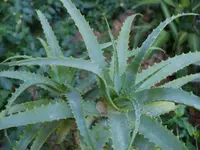
Candelabra aloe (Aloe arborescens) is a branching succulent shrub known for its upright, many-stemmed form and rosettes of narrow, fleshy leaves. It often develops a dense, candelabra-like silhouette as it matures.

The leaves are gray-green with small teeth along the edges, and mature plants produce tall spikes of tubular orange to red flowers. It is native to rocky slopes and coastal areas of southern Africa, where it grows in full sun and well-drained soils.

This species is generally robust and adaptable, which makes it straightforward to care for Candelabra aloe in dry, bright conditions. It prefers strong light, infrequent but deep watering, and gritty soil that dries well between waterings.

Main Plant Requirements

Care Difficulty

Easy Care

Light Preference

Full Sun

Water Requirements

Low Water

Temperature Preference

Warm Climate

Hardiness Zone

9–11

Soil Texture

Sandy, Loamy, Rocky

Soil pH

Acidic (5.5–6.5), Slightly acidic (6.5–7.0)

Soil Drainage

Well-drained

Fertilization

Minimal (feed rarely)

Get Personalized Care Plan

Scan your plant to receive care tips personalized for your specific plant

Personalized Care in the App

Available on iOS and Android

How to Care for the Candelabra aloe

This succulent prefers bright, direct light but needs gradual acclimation to strong sun to prevent leaf damage.

  • Provide 6–8 hours of sun daily, with morning sun and light afternoon shade ideal, especially in hot, dry climates where Candelabra aloe can scorch.
  • In very hot regions, use filtered light or 30–40% shade cloth during intense midday sun to reduce leaf burn and bleaching.
  • In winter, maximize exposure with full sun or the brightest spot available, as low seasonal light can cause weak, stretched growth.

Aloe arborescens prefers deep, infrequent watering that allows the soil to dry between soakings.

  • Water only when the top 3–5 cm of soil are completely dry; in warm growing seasons this may be every 7–14 days, but always check the soil first.
  • Ensure sharply draining, gritty soil so excess water flows out quickly; soggy or compacted soil leads to root rot and soft, yellowing leaves.
  • Reduce watering in cool seasons to just enough to prevent shriveling; wrinkled, thin leaves indicate thirst, while mushy or translucent leaves signal overwatering.

This aloe thrives in warm, dry climates and is sensitive to hard frost and prolonged cold.

  • Aim for 65–80°F (18–27°C) for active growth, with brief highs up to 90°F (32°C) tolerated if soil drains well and airflow is good.
  • Protect from cold below 40°F (4°C); tissue damage often appears when exposed to 32°F (0°C) or lower, especially in wet or windy conditions.
  • In mild-winter areas, it can stay outside year-round; in colder climates, grow in containers so plants can be moved to a frost-free spot during winter.

Humidity is not a critical factor for Aloe arborescens, which naturally tolerates dry air.

Aloe arborescens needs a very fast-draining, mineral-based substrate to prevent root rot.

  • Use a gritty mix such as 50–70% inorganic components (pumice, perlite, coarse sand) blended with 30–50% lean potting soil or cactus mix.
  • Aim for slightly acidic to neutral pH around 6.0–7.0, avoiding strongly acidic or alkaline substrates that can impair nutrient uptake.
  • Ensure the mix feels loose and crumbly, not sticky, so water runs through within seconds and the root zone dries quickly between waterings.
  • Avoid dense peat-heavy, clayey, or water-retentive mixes; amend them heavily with coarse mineral material to improve aeration and drainage.

This species is well suited to container growing when the pot supports its vigorous, branching habit.

  • Choose a wide, heavy container that resists tipping, as mature stems are tall and make the plant top-heavy.
  • Select unglazed clay or other porous materials to help excess moisture evaporate faster in the root zone.
  • Leave a dry top layer of mix below the rim instead of decorative moss or stones, which can trap moisture against the crown.

Aloe arborescens benefits from light, targeted feeding rather than heavy fertilization, especially in containers.

  • Use a balanced liquid fertilizer (around 10-10-10 or 20-20-20) diluted to 25–50% strength for Candelabra aloe.
  • Feed every 4–6 weeks during spring and summer when active growth is strongest.
  • Avoid fertilizing in mid-fall and winter, or limit to 1 very light feeding if growth continues indoors.
  • Do not apply fertilizer to dry soil; water first, then feed to prevent root burn.

Pruning Aloe arborescens keeps clumps tidy, encourages new shoots, and maintains safe access around the plant.

  • Best time is late winter to early spring, before strong new growth starts.
  • Remove dead, damaged, or shriveled leaves and spent flower stalks at the base.
  • Thin out overcrowded stems to improve light penetration and airflow, shaping the clump.
  • Use clean, sharp pruning shears or a knife, and let large cuts dry to reduce rot risk.

Container-grown Aloe arborescens needs occasional repotting, while garden plants respond well to careful transplanting when overgrown.

  • Look for roots circling the pot, distorted containers, or slowed growth as signals to repot.
  • Plan repotting or transplanting for spring, about every 2–3 years for potted plants.
  • Choose a slightly larger pot with fast-draining cactus or succulent mix, and handle the root ball gently.
  • Let roots air-dry briefly if damaged, avoid deep planting, and withhold water for 2–3 days to limit stress.

Aloe arborescens is commonly propagated from offsets and stem cuttings under warm, bright, and dry-leaning conditions.

  • Divide basal offsets in spring or early summer when they have several leaves and their own roots.
  • Take firm stem cuttings, remove lower leaves, and let cut surfaces callus for 3–7 days.
  • Plant in a gritty, well-drained mix and keep barely moist until new roots form.
  • Seed propagation is possible but slower; provide warmth, bright light, and lightly moist, sandy substrate.

Aloe arborescens is only lightly frost tolerant and benefits from planned winter protection in cooler climates.

  • Avoid exposure below about 25°F; brief light frost may mark leaves but repeated freezing can kill tissue.
  • Mulch the root zone outdoors with gravel or coarse bark, keeping mulch off the crown.
  • In freezing regions, grow in containers and move plants indoors to a bright, cool room.
  • Reduce watering in winter so soil dries between waterings, lowering rot risk in cold conditions.

Care Tips

Manage heavy heads

As stems lengthen and become top-heavy, stake or tie them loosely to a sturdy support to prevent the rosette from snapping at the base, especially in windy or high-traffic spots.

Encourage branching

After flowering or when a stem becomes too tall and bare, cut it back by 1/3–1/2 with a clean tool to stimulate new side shoots and create a fuller, multi-stemmed plant.

Use stem cuttings

When pruning, save healthy stem pieces with several leaves, let the cut ends dry for 3–7 days, then root them in a gritty mix to quickly increase stock or rejuvenate an older specimen.

Winter light shift

In winter, move container plants to the brightest, coolest frost-free spot available so the plant stays compact and avoids weak, stretched growth during short days.

Pest scouting routine

Every 2–4 weeks check leaf axils and along the stem for mealybugs and scale, and remove early infestations with a cotton swab dipped in isopropyl alcohol to simplify caring for Candelabra aloe over the long term.

Common Pests and Diseases

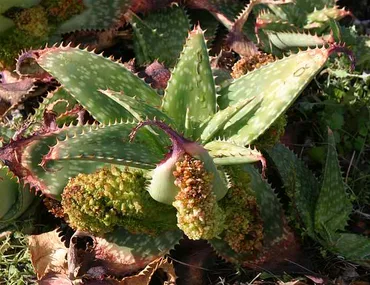
Aloe mite

This pest causes abnormal, tumor-like galls and distorted new growth along leaf edges and at the crown. Symptoms include rough, swollen, or cauliflower-like tissue that gradually enlarges.

Solution

Remove and discard all affected leaves or rosettes well below the gall, sterilizing tools between cuts, and isolate the plant from others. For early or mild cases, apply a sulfur-based miticide or insecticidal soap labeled for eriophyid mites and keep the plant in a dry, airy position to slow spread.

Aloe rust

This disease produces small yellow spots on leaves that turn into dark brown to black pustules, often surrounded by a yellow halo. Symptoms include rough, raised lesions that may merge and cause cosmetic damage or leaf weakening.

Solution

Cut off and discard infected leaves, avoiding overhead watering to keep foliage dry, and increase spacing for better air movement. In persistent or severe cases, use a copper-based fungicide according to label directions and maintain a drier, sunny position as part of overall Aloe arborescens care instructions.

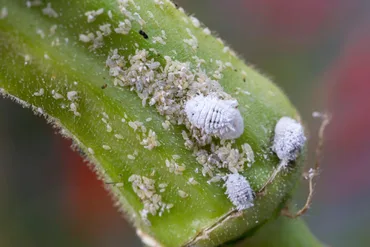
Mealybugs

These insects hide in leaf axils and roots and produce white, cottony masses, leading to sticky honeydew and sooty mold on leaves. This pest weakens plants by sucking sap, causing stunted growth and yellowing foliage.

Solution

Wipe visible insects with cotton swabs dipped in 70% isopropyl alcohol, then rinse the plant thoroughly, including leaf bases. For larger infestations, apply insecticidal soap or a systemic insecticide labeled for succulents and consider repotting to inspect and rinse the roots if decline continues.
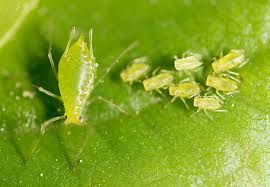
Aphids

These insects cluster on tender flower stalks and young leaves, sucking sap and causing curling or distortion of new growth. Symptoms include sticky honeydew and sometimes black sooty mold on affected parts.

Solution

Spray the plant with a firm stream of water to dislodge colonies, then treat remaining insects with insecticidal soap or neem oil, repeating weekly until controlled. Encourage good airflow and avoid excess nitrogen fertilization, which promotes soft growth that attracts aphids.

Leaf spot

This disease causes irregular, water-soaked or brown spots on leaves that may have darker margins and can coalesce in humid or poorly ventilated conditions. Symptoms include localized tissue collapse where spots are concentrated.

Solution

Remove and discard affected leaves, keep the plant in a bright, well-ventilated location, and avoid getting water on the foliage. If spotting continues to spread, apply a broad-spectrum fungicide labeled for succulents and adjust watering so the soil dries well between waterings.

Interesting Facts

Multi-headed branching habit

This species naturally forms many branching stems from the base, creating large, shrubby clumps that can reach several meters tall and wide in mild climates, unlike the single-rosette growth of many other aloes.

Winter-flowering strategy

In its native range, it typically flowers in mid-winter, producing tall spikes of tubular red to orange flowers that provide nectar for birds and insects when few other nectar sources are available.

Coastal cliff specialist

Aloe arborescens often grows on rocky slopes and coastal cliffs in South Africa and neighboring regions, where its succulent leaves and dense root system help it tolerate strong winds, poor soils, and periodic drought.

Botan icon

Did you know?

In some South African traditional homesteads, dense hedges of Aloe arborescens have been planted around properties as living fences, using the plant’s spiny, branching form to create natural barriers for people and livestock.

FAQs about Candelabra aloe

Yellowing usually results from excess moisture around the roots, poor drainage, or compacted soil that stays wet. Less commonly, sudden cold, recent repotting stress, or heavy fertilizer can cause pale, yellow leaves on older growth first.

Grow Healthy Plants with Botan Care

Keep your plants happy and healthy with plant identification, disease detection, and easy care guidance.

Botan plant care app — identify plants on mobile

Explore More Plants