Velvet arrowhead Care (Syngonium wendlandii)

About Velvet arrowhead

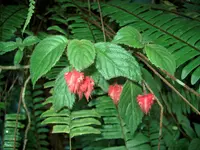
Velvet arrowhead (Syngonium wendlandii) is a tropical aroid grown mainly for its striking foliage. It is a vining or climbing plant with arrow-shaped leaves that are deep green with a velvety texture and a silvery central stripe. Native to Central America, it naturally grows in warm, humid forests where it can scramble along the ground or climb trees. In homes, it is usually grown as a compact tabletop plant or trained up a support. The plant is considered moderately easy indoors if given stable warmth, bright indirect light, and evenly moist but well-drained soil. Understanding how to care for Velvet arrowhead helps keep its foliage dense and richly colored over time.

Main Plant Requirements

Care Difficulty

Moderate Care

Light Preference

Bright Indirect Light

Water Requirements

Moderate Water

Temperature Preference

Tropical / Frost Sensitive

Hardiness Zone

11–12

Soil Texture

Loamy, Peaty, Organic-rich

Soil pH

Acidic (5.5–6.5), Slightly acidic (6.5–7.0)

Soil Drainage

Moist but well-drained

Fertilization

Light (every 4–6 weeks)

Get Personalized Care Plan

Scan your plant to receive care tips personalized for your specific plant

Personalized Care in the App

Available on iOS and Android

How to Care for the Velvet arrowhead

Syngonium wendlandii prefers bright, filtered light that mimics a forest understory.

  • Provide 4–6 hours of bright, indirect light each day, such as near an east- or north-facing window with sheer curtains or dappled outdoor shade.
  • Tolerates partial shade but growth and variegation may weaken in very low light; move Velvet arrowhead closer to a bright window if stems stretch or leaves shrink.
  • Avoid harsh midday sun, especially from south- or west-facing exposures, as this can cause leaf scorch, bleaching, and dry brown patches, particularly in summer.

Watering for Syngonium wendlandii should keep soil lightly moist but never saturated.

  • Allow the top 2–4 cm of soil to dry before watering again; check with a finger rather than following a fixed schedule.
  • During active growth in spring and summer, expect to water more often, and reduce frequency in fall and winter as evaporation and growth slow.
  • Use well-draining soil and a pot with drainage holes; yellowing, mushy leaves indicate overwatering, while drooping, crisp edges and light, shrinking soil signal underwatering.

Stable, warm conditions support steady growth and healthy foliage.

  • Aim for 65–80°F (18–27°C) for best growth, with consistent temperatures and minimal daily swings around the plant.
  • Keep above 55°F (13°C); cold drafts, open windows in winter, or unheated porches can cause leaf yellowing, droop, or tissue damage.
  • Protect from frost at all times and from extreme heat above 90°F (32°C); in hot spells, increase shade and airflow to prevent heat stress and leaf scorch.

This species prefers moderately humid air but adapts to many homes if kept above very dry levels.

  • Aim for 50–70% humidity to keep foliage velvety and reduce brown edges on Velvet arrowhead leaves.
  • Tolerates short periods around 40% but prolonged dry air can cause crispy tips, leaf curl, and slower growth.
  • Increase humidity with a nearby humidifier, grouped plants, or a pebble tray, rather than misting, to avoid leaf spotting.

This aroid prefers a loose, airy mix that drains freely yet holds consistent, light moisture.

  • Use a peat- or coco-based mix with added bark and perlite for a chunky, organic-rich, loamy structure.
  • Target pH around 5.5–6.5, which supports nutrient availability for Syngonium wendlandii without causing toxicity issues.
  • Ensure fast drainage by avoiding heavy garden soil and by using at least 30–40% coarse amendments such as perlite or bark.
  • Improve aeration by lightly mixing, not compacting, the substrate and avoiding very fine sand that can clog air spaces.

This species is well suited to container growing and handles confined root space efficiently.

  • Choose a stable, wider pot or use a support so the vining stems do not tip the container as they climb or trail.
  • Select slightly porous materials like terracotta if the potting mix stays wet for too long in your conditions.
  • Use a pot just 2–4 cm wider than the root ball to balance moisture retention with oxygen availability in the root zone.

Syngonium wendlandii responds well to light, consistent feeding during its active growing season.

  • Use a balanced liquid fertilizer (around 10-10-10 or 20-20-20) diluted to 1/4–1/2 strength for Velvet arrowhead.
  • Apply every 4–6 weeks in spring and summer when growth is active.
  • Switch to a slow-release fertilizer or compost top-dress once in spring if preferred.
  • Stop or reduce feeding to 1 light application in fall and avoid fertilizing in midwinter.

Pruning Syngonium wendlandii helps control vine length and maintain a compact, bushier plant.

  • Trim in spring or early summer when growth is strongest for fastest recovery.
  • Remove yellowing, dead, or damaged leaves and any crowded or tangled stems.
  • Cut back overly long vines to a node to encourage branching and fuller growth.
  • Use clean, sharp scissors or pruners and make cuts just above a leaf node.

This species prefers slightly snug pots but benefits from timely repotting to keep roots healthy.

  • Check for roots circling the pot, emerging from drainage holes, or noticeably slower growth as cues to repot.
  • Plan repotting for spring every 2–3 years, or sooner if the plant dries out very quickly.
  • Choose a container 2–5 cm wider with drainage and use airy, well-draining aroid mix.
  • Water lightly after repotting, keep in bright indirect light, and avoid heavy fertilizing for 2–3 weeks to limit root stress.

Syngonium wendlandii is most commonly propagated by stem cuttings taken from healthy vines.

  • Take 8–12 cm cuttings in spring or early summer with at least 1–2 nodes and a leaf.
  • Place cuttings in water or moist, sterile mix, ensuring at least 1 node is buried or submerged.
  • Keep humidity around 60–80%, provide bright indirect light, and maintain 70–80°F for reliable rooting.
  • After roots reach 3–5 cm, pot into a small container with well-draining soil and acclimate gradually.

As a tropical species, Syngonium wendlandii requires warm, frost-free conditions during winter in most climates.

  • Move outdoor containers indoors before temperatures drop below 55°F.
  • Maintain indoor temperatures around 60–75°F and avoid cold drafts from windows or doors.
  • Allow the top of the soil to dry slightly more between waterings, as winter growth slows.
  • Use a light mulch on the soil surface in pots to buffer root temperature changes if air is dry and cool.

Care Tips

Provide climbing support

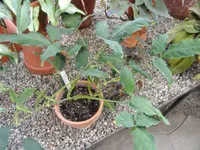
Install a moss pole or rough-textured stake and loosely tie vines with soft plant ties so the aerial roots can attach and leaves mature to their full size and velvety texture.

Rotate for even variegation

Turn the pot 90° every 1–2 weeks so all sides receive similar light, which helps maintain balanced leaf color and prevents one-sided, weak growth.

Use tepid, low-mineral water

If tap water is hard or heavily chlorinated, let it sit 24 hours or use filtered water at room temperature to reduce leaf tip burn and salt buildup in the mix.

Refresh top substrate layer

Every 6–12 months, scrape off the top 1–2 cm of spent or crusted potting mix and replace it with fresh, airy substrate to improve gas exchange and reduce fungus gnat habitat.

Inspect undersides routinely

During regular watering, briefly check the leaf undersides and petiole joints for early signs of spider mites or thrips, so any infestation can be treated at a very early stage when caring for Velvet arrowhead.

Common Pests and Diseases

Spider mites

This pest thrives in warm, dry indoor air and often appears on velvet leaves where webbing is less obvious at first. Symptoms include pale speckling on the foliage and a dull, dusty look on the leaf surface and undersides.

Solution

Rinse foliage thoroughly with lukewarm water, including leaf undersides, then repeat every 5–7 days until no new damage appears. Increase humidity, improve air movement around the plant, and use an insecticidal soap or horticultural oil labeled for indoor use if the population persists.

Mealybugs

These insects hide in leaf axils, along the midrib, and around nodes where the plant’s vining habit and velvety texture give them shelter. Symptoms include white cottony clusters, sticky honeydew, and distorted new growth.

Solution

Isolate the plant, then dab visible mealybugs with cotton swabs dipped in 70% isopropyl alcohol and wipe affected areas. Follow with a thorough spray of insecticidal soap, repeating weekly until no new insects are seen, and check any support stakes or nearby plants for hidden colonies.

Scale insects

These insects attach firmly along stems and veins, taking advantage of the plant’s climbing stems and dense foliage. Symptoms include brown or tan shell-like bumps, sticky residue, and gradual yellowing or thinning of leaves.

Solution

Scrape or wipe off individual scales with a fingernail or soft cloth dipped in 70% isopropyl alcohol, then treat stems and foliage with horticultural oil to smother remaining juveniles. Repeat treatments every 7–10 days for several cycles and reduce plant stress by providing stable moisture and moderate, indirect light as part of Syngonium wendlandii plant care.

Bacterial leaf spot

This disease often appears when water sits on the velvety leaves for long periods, especially in low airflow. Symptoms include small water-soaked spots that turn dark, sometimes with a yellow halo, and may coalesce into larger dead patches.

Solution

Remove and discard affected leaves, sterilizing scissors between cuts, and avoid overhead watering so foliage dries quickly. Improve air circulation, keep humidity in a moderate range, and if spread continues, apply a copper-based bactericide according to label directions while keeping the plant isolated from others.

Leaf tip burn

Symptoms include brown, dry tips and margins, which show up quickly on the narrow, velvety leaf edges when salts from hard water or overfertilizing accumulate. This physiological problem is often mistaken for disease but relates more to water quality and nutrient load.

Solution

Flush the pot thoroughly with distilled or filtered water to leach excess salts, then switch to low-mineral water sources and reduce fertilizer strength to 1/4–1/2 of the recommended rate. Trim damaged tips with clean scissors, following the natural leaf shape, and keep soil evenly moist but not soggy to prevent further stress.

Interesting Facts

Velvety juvenile leaves

Young foliage of this species develops a dense layer of tiny hairs that gives the leaves a velvety texture and a matte, light-absorbing surface, unlike the smoother leaves of many other Syngonium species.

Stable silver midrib

The striking silver-white stripe along the central vein of the leaf is a stable feature in this species and tends to remain clearly defined even as the plant matures and the leaves become more divided.

Natural epiphyte habits

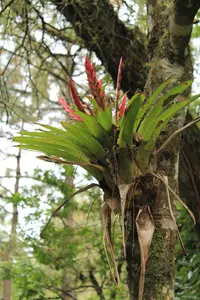
In its native Central American range, this plant often grows as an epiphyte, anchoring its roots on tree trunks and branches rather than in soil, which explains its preference for airy, well-drained substrates in cultivation.

FAQs about Velvet arrowhead

Brown, crispy edges usually come from low humidity, underwatering, or a build-up of fertilizer salts. Increase room humidity, water thoroughly but not constantly, and flush the pot occasionally to remove excess salts from the substrate.

Grow Healthy Plants with Botan Care

Keep your plants happy and healthy with plant identification, disease detection, and easy care guidance.

Botan plant care app — identify plants on mobile

Explore More Plants