Walker's Cattleya Care (Cattleya walkeriana)

About Walker's Cattleya

Walker's Cattleya (Cattleya walkeriana) is a compact epiphytic orchid that often grows on tree trunks or rocks in its native Brazil. It produces thick, leathery leaves and stout pseudobulbs that store water.

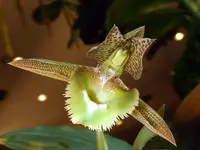
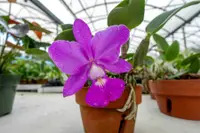
The plant is best known for its large, fragrant flowers, usually pink to lavender, held on short stems above the foliage. Blooms are showy but the plant itself stays relatively small, which suits windowsills and under-lights setups.

Its drought tolerance and sturdy roots make it moderately forgiving, but light and airflow need attention for long-term success. Understanding how to care for Walker's Cattleya starts with bright, filtered light, quick-drying orchid media, and regular, careful watering.

Main Plant Requirements

Care Difficulty

Moderate Care

Light Preference

Partial Sun

Water Requirements

Moderate Water

Temperature Preference

Tropical / Frost Sensitive

Hardiness Zone

11–12

Soil Texture

Sandy, Rocky, Organic-rich

Soil pH

Acidic (5.5–6.5), Slightly acidic (6.5–7.0)

Soil Drainage

Well-drained

Fertilization

Moderate (every 2–4 weeks)

Get Personalized Care Plan

Scan your plant to receive care tips personalized for your specific plant

Personalized Care in the App

Available on iOS and Android

How to Care for the Walker's Cattleya

This orchid prefers bright conditions that balance strong light with protection from harsh sun.

  • Provide 4–6 hours of bright light daily, ideally gentle morning sun with light shade or filtered light from late morning to afternoon.
  • Outdoors, place Walker's Cattleya where it receives dappled light under open trees or 30–50% shade cloth to prevent leaf scorch.
  • Watch leaves for feedback: dark, soft leaves indicate too little light, while yellow, leathery, or scorched patches signal excessive direct sun.

Cattleya walkeriana prefers distinct wet–dry cycles rather than constantly moist roots.

  • Water thoroughly only when the potting mix or mount feels dry and roots turn silvery, then let excess drain completely to avoid standing water.
  • In active growth and warm weather, expect to water more often, while during cooler months or rest periods allow a longer dry interval between waterings.
  • Signs of overwatering include black, mushy roots and yellowing leaves; wrinkled pseudobulbs and shriveled roots point to underwatering and longer dry spells than it tolerates.

This species thrives in warm to intermediate conditions with a clear day–night temperature drop.

  • Aim for daytime temperatures of 70–85°F (21–29°C) and nighttime temperatures of 60–65°F (16–18°C) for steady growth and flowering.
  • Short periods up to 90–95°F (32–35°C) are tolerated if humidity and air movement are high, but avoid stagnant, hot air around the foliage.
  • Protect the plant from cold below 50°F (10°C); it should never be exposed to frost, which can damage pseudobulbs and roots quickly.

This orchid prefers moderately high humidity but copes with typical indoor levels if air movement is strong.

  • Aim for 50–70% humidity, using a room humidifier or humidity tray in very dry homes.
  • Leaves that wrinkle, pseudobulbs that shrivel, or stalled new roots indicate humidity is too low for Walker's Cattleya.
  • Increase humidity without stagnation by combining a fan with grouped plants and an open, airy potting setup.

Cattleya walkeriana grows best in a very airy, fast-draining medium rather than traditional potting soil.

  • Use coarse orchid bark as the base, blended with chunky perlite, medium charcoal, and a small amount of sphagnum moss for moisture balance.
  • Ensure the mix feels loose and springy so roots receive plenty of oxygen and water drains through in seconds, not minutes.
  • Keep pH near-neutral to slightly acidic by avoiding heavy garden soil, which compacts, holds salts, and suffocates roots.
  • If the mix stays wet for more than 2–3 days, increase bark and perlite particle size to improve aeration and rapid drainage.

This species is well suited to container growing when the pot supports its exposed, air-loving roots.

  • Choose a squat, wide container so the relatively shallow root system spreads rather than dives deeply and stays waterlogged.
  • Use a heavier clay or ceramic pot if the plant becomes top-heavy, to prevent tipping when new growths extend outward.
  • Prefer slotted or net-style orchid pots that allow rapid side ventilation, helping the chunky medium dry predictably between waterings.

This orchid benefits from light, consistent feeding during active growth while avoiding salt buildup in the medium.

  • Use a balanced orchid fertilizer (around 20-20-20) diluted to 1/4–1/2 strength for caring for Walker's Cattleya.
  • Feed every 2–3 weeks in spring and summer when new roots and pseudobulbs are growing.
  • Reduce to monthly or stop feeding in late fall and winter when growth slows.
  • Flush the pot with plain water every 3–4 weeks to remove accumulated fertilizer salts.

Cattleya walkeriana needs only light pruning focused on plant health and hygiene.

  • Best time is after flowering and when new growth is visible.
  • Remove dead or damaged pseudobulbs, leaves, and spent flower spikes with sterilized scissors or pruning shears.
  • Cut at the base of the dead tissue, avoiding healthy green parts to preserve future flowering potential.
  • Thin only badly crowded, weak growths to improve air flow and reduce fungal problems.

Repotting helps maintain healthy roots and stable support for this epiphytic orchid.

  • Repot every 2–3 years, or when roots circle the pot, growth slows, or the bark medium decomposes.
  • Choose late winter to early spring, just as new roots start, to reduce transplant shock.
  • Gently remove old medium, trim dead roots with sterile tools, and keep firm, healthy roots intact.
  • Place the plant in a slightly larger pot with fresh orchid bark, stabilizing rhizomes and keeping roots airy.

Division is the standard home method for increasing Cattleya walkeriana plants.

  • Divide in late winter or early spring when new root growth begins.
  • Remove the plant from its pot and gently separate the rhizome into sections with 3–5 healthy pseudobulbs each.
  • Use a sterile knife or shears and dust cuts with powdered cinnamon or sulfur to limit infection.
  • Pot divisions in fresh orchid bark, keep humidity moderate-high, and water lightly until new roots establish.

This orchid is frost sensitive and needs indoor or greenhouse conditions in cold climates.

  • Maintain indoor temperatures around 60–75°F in winter, avoiding drafts and sudden drops.
  • Move outdoor plants inside before temperatures fall near 50°F.
  • Provide bright light with shorter days, using grow lights if natural light is weak.
  • Water less often, keeping the medium almost dry between waterings while preventing severe shriveling.

Care Tips

Optimize mounting

Mount plants on cork or hardwood slabs with a thin pad of long-fiber sphagnum only around the roots, not over the rhizome, so the roots dry quickly yet have a stable surface to cling to.

Align growth direction

Position the newest pseudobulbs toward the center of the mount or basket edge so future growth has room to extend, reducing the need for frequent division or remounting.

Promote strong roots

Provide gentle air movement directly across the root zone and avoid packing media tightly, which encourages thick, drought-tolerant roots that support more reliable flowering.

Dry-season adjustment

In late fall to winter, reduce water frequency but continue light misting of exposed roots in the morning to prevent shriveling while still giving the plant a mild rest period.

Flower spike protection

Once buds appear, avoid rotating the plant and keep the developing spikes away from strong drafts or overhead misting, which can cause bud blast and deformed flowers when growing Walker's Cattleya.

Common Pests and Diseases

Scale insects

This pest attaches firmly to pseudobulbs and leaf bases, sucking sap and weakening plants, especially on compact mounts or in tight basket growths. Symptoms include yellowing leaves, sticky honeydew, and sooty mold on older Cattleya clumps.

Solution

Remove heavily infested sheaths and old bracts, then wipe affected areas with cotton pads soaked in 70% isopropyl alcohol, repeating weekly until no new insects appear. Improve air movement around mounted or basket-grown plants and use a horticultural oil or insecticidal soap labeled for orchids, applied to all plant surfaces and mount material.

Spider mites

These insects thrive on Cattleya leaves grown in warm, dry, bright conditions, especially where humidity drops below 40%. Symptoms include silvery stippling on the undersides of leaves, fine webbing near leaf tips, and slow decline of older pseudobulbs.

Solution

Rinse foliage thoroughly with a strong but gentle stream of water, focusing on leaf undersides, and repeat several times over 1–2 weeks. Raise humidity to 50–60%, increase air circulation, and, if needed, apply a miticide or insecticidal soap suitable for orchids, making sure to treat both sides of the leaves.

Mealybugs

This pest hides in leaf axils, sheaths, and around the base of pseudobulbs, benefiting from the many tight crevices in clustered Cattleya growths. Symptoms include white cottony masses, distorted new growth, and sticky residue on leaves and benches.

Solution

Inspect and peel away dried sheaths, then dab visible insects with 70% isopropyl alcohol on cotton swabs and dispose of heavily infested plant parts. Quarantine affected plants, repeat alcohol treatments weekly, and if the problem persists, use a systemic insecticide labeled for ornamental orchids according to its instructions.

Bacterial brown rot

This disease starts as soft, water-soaked spots on leaves or pseudobulbs that rapidly turn brown or black and emit a foul odor, often after splashing water or high humidity with poor air flow. Symptoms include rapid tissue collapse, especially at the base of pseudobulbs and young growths.

Solution

Immediately cut away affected tissue well into healthy, firm tissue using a sterile blade and discard all infected material. Dust or dab cut surfaces with a bactericide or powdered cinnamon, improve air circulation, keep water off foliage late in the day, and avoid overhead watering that splashes between plants.

Black rot (Phytophthora)

This disease causes black, spreading lesions on new shoots, roots, and pseudobulbs, often starting where water stands on the plant or in overly wet media. Symptoms include fast-spreading black, firm rot moving up from the base, especially in warm, wet conditions after heavy watering or rain on mounted plants.

Solution

Remove the plant from its pot or mount, cut away all blackened tissue well back into clean, green tissue, and discard contaminated mix or mount material. Treat remaining healthy parts with a fungicide labeled for Phytophthora, then repot in fresh, fast-draining orchid mix, reduce watering temporarily, and keep plants in bright, airy conditions to dry quickly after each watering.

Interesting Facts

Fragrant evening bloomer

The flowers release a strong, sweet fragrance that is often most noticeable in the evening, an adaptation that helps attract night-active pollinators in its native habitats in Brazil.

Rock and tree specialist

In the wild, this species grows both as an epiphyte on trees and as a lithophyte on rocks, often in very bright, exposed sites near rivers and marshes in central Brazil.

Compact flower producer

Despite its relatively small, compact pseudobulbs, a well-grown plant can produce surprisingly large, showy flowers that are often wider than the length of the leaf bearing them.

Botan icon

Did you know?

Natural populations of this species are considered locally threatened in parts of its native range in Brazil, mainly due to habitat loss and historical over-collection for the orchid trade, so many plants in cultivation now come from controlled propagation rather than wild collection.

FAQs about Walker's Cattleya

Insufficient light, depleted nutrients, or lack of a cooler, drier rest period commonly reduce flowering. Check for crowded roots, old exhausted pseudobulbs, or recent repotting shock. Balanced fertilizer and stable conditions usually restore blooming over time.

Grow Healthy Plants with Botan Care

Keep your plants happy and healthy with plant identification, disease detection, and easy care guidance.


Botan plant care app — identify plants on mobile

Explore More Plants