


Safe handling prep
Wear gloves and avoid skin contact with sap when pruning or repotting, and keep tools and work surfaces separate from food areas because all parts of the plant are toxic if ingested.

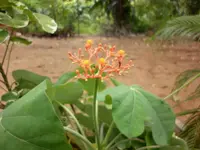
The Buddha belly plant, Jatropha podagrica, is a small succulent shrub valued for its swollen, bottle-shaped stem and bright coral-red flower clusters. It stays compact, making it popular as a container or windowsill plant in warm and indoor settings.
This species is native to Central America, where it grows in dry, open habitats. Its thick stem stores water, so it tolerates short dry spells but is sensitive to overwatering and cold.
It prefers bright light, a warm spot, and sharply draining, gritty soil. Once its basic needs are understood, it is relatively simple to care for Buddha Belly Plant at home.

Care Difficulty
Moderate Care

Light Preference
Full Sun

Water Requirements
Low Water

Temperature Preference
Tropical / Frost Sensitive

Hardiness Zone
10–11

Soil Texture
Sandy, Loamy, Rocky

Soil pH
Slightly acidic (6.5–7.0), Neutral (7.0)

Soil Drainage
Well-drained

Fertilization
Light (every 4–6 weeks)
Scan your plant to receive care tips personalized for your specific plant
Available on iOS and Android
Jatropha podagrica grows best in bright, warm locations with strong but controlled sun exposure.
Jatropha podagrica prefers thorough but infrequent watering that allows the soil to dry between waterings.
This species thrives in warm, frost-free conditions that mimic a subtropical to tropical climate.
This species prefers moderately dry air and usually adapts well to typical indoor humidity.
This succulent shrub needs very fast-draining, mineral-rich soil that stays airy around the roots.
This caudiciform shrub is well suited to container growing.
This caudiciform succulent benefits from light, controlled feeding during its active season.
Pruning Jatropha podagrica is mainly used to tidy the plant and manage its size.
This species prefers to stay slightly root-bound and does not need frequent repotting.
Jatropha podagrica is most often propagated from fresh seeds under warm, bright conditions.
This tropical succulent is highly frost-sensitive and needs careful winter management in temperate climates.

Plant Health Check
Not sure what's wrong with your plant? Check your plant's health inside the app.
This species develops a swollen, bottle-like caudex that stores water, an adaptation to seasonally dry habitats in Central America that helps the plant survive extended dry periods.
Each inflorescence carries both male and female flowers, but in separate structures, with bright coral-red clusters that are highly attractive to butterflies and other nectar-feeding insects.
All parts of the plant, especially the seeds, contain toxic compounds similar to those in other Jatropha species, and the milky latex can irritate skin and mucous membranes if handled without care.

In parts of its native range, this species is sometimes planted near houses and gardens as an ornamental that also serves as a so-called fence plant, since its toxicity discourages browsing by livestock and other animals.
Leaf curling usually comes from irregular watering, low humidity, or sudden temperature changes. Consistent, moderate moisture and stable warmth help. Check for spider mites under leaves, since their feeding also causes curling and distorted new growth.
Keep your plants happy and healthy with plant identification, disease detection, and easy care guidance.

Parachute Flower
Ceropegia sandersonii
 POPULAR
Velvet arrowhead
Syngonium wendlandii
blueflower butterwort
Pinguicula caerulea
Peperomia acuminata
Peperomia acuminata

Busy lizzie
Impatiens walleriana
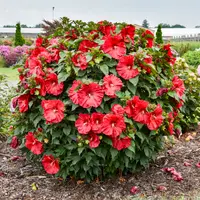
Hibiscus Summerific Cranberry Crush
Hibiscus Summerific Cranberry Crush

Vanda coerulescens
Vanda coerulescens
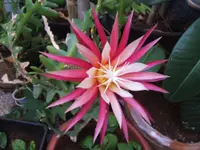
Ric Rac cactus
Selenicereus anthonyanus