Delicate violet orchid Care (Ionopsis utricularioides)

About Delicate violet orchid

Ionopsis utricularioides is a miniature epiphytic orchid that often grows on tree branches in warm, humid regions from Florida through Central and South America. It forms delicate clumps of narrow leaves and produces many small, usually pale lavender to pink flowers on airy, branched stems.

This species prefers bright, filtered light, good air movement, and regular moisture around the roots, but it does not like to stay soggy. Its small size and relatively forgiving nature make it manageable for growers with some basic orchid experience. Understanding how to care for Ionopsis utricularioides helps keep it blooming reliably in home collections or greenhouse settings.

Main Plant Requirements

Care Difficulty

Moderate Care

Light Preference

Partial Shade

Water Requirements

Moderate Water

Temperature Preference

Tropical / Frost Sensitive

Hardiness Zone

11–13

Soil Texture

Sandy, Rocky, Organic-rich

Soil pH

Acidic (5.5–6.5), Slightly acidic (6.5–7.0)

Soil Drainage

Well-drained

Fertilization

Light (every 4–6 weeks)

Get Personalized Care Plan

Scan your plant to receive care tips personalized for your specific plant

Personalized Care in the App

Available on iOS and Android

How to Care for the Delicate violet orchid

This small epiphytic orchid prefers bright, gentle light similar to bright woodland conditions.

  • Provide 4–6 hours of bright, indirect light daily, such as dappled shade under a tree or 50–70% shade cloth in strong climates.
  • Allow soft morning sun but protect from direct midday and afternoon sun, which can scorch leaves and fade Ionopsis utricularioides flowers.
  • In summer, increase shading if leaves turn yellowish or feel hot to the touch; in winter, move to a slightly brighter position to compensate for weaker light.

Water needs are moderate and closely tied to air movement, mounting style, and humidity.

  • Water when roots look silvery and feel dry, or when mounting material is almost dry but not brittle; in warm, breezy conditions this may mean light watering every 1–2 days.
  • Ensure very sharp drainage; mounted plants should dry within a few hours, while potted plants need an airy orchid mix that never stays soggy.
  • Reduce watering in cooler months, watching for wrinkled, floppy leaves as a sign of underwatering and black, mushy roots as a sign of overwatering.

This species prefers warm, frost-free conditions similar to lowland tropical climates.

  • Aim for 65–80°F (18–27°C) for active growth, with only slight night drops to 60–65°F (16–18°C).
  • Avoid temperatures below 50°F (10°C); brief dips to 45°F (7°C) may be tolerated but repeated exposure slows growth and increases rot risk.
  • Protect from extreme heat above 90–95°F (32–35°C) by increasing shade and air movement, and adjust watering so plants do not stay wet during cool nights.

This species prefers moderately humid air and reacts quickly to dry conditions.

  • Aim for 50–70% humidity, as consistently lower levels often lead to slower growth and weak flowering.
  • Tolerates brief dips to 35–40%, but leaf tips may brown and buds may abort if air stays too dry.
  • Increase humidity with a nearby humidifier, moist pebble tray under (not touching) the pot, or grouping plants together.

This orchid grows best in a very airy, fast-draining, organic-based medium rather than dense potting soil.

  • Use a fine to medium orchid mix with pine bark, perlite, and a little sphagnum moss for moisture retention without clogging air spaces.
  • Keep structure loose and chunky so roots receive strong aeration; compact, peaty potting mixes quickly suffocate and rot roots.
  • Aim for slightly acidic to neutral conditions around pH 5.5–7.0, which suits typical orchid substrates and tap water in many areas.
  • Mount Ionopsis utricularioides on cork or tree fern, or use a basket with large side slits, if very fast drainage is needed in humid climates.

This orchid is suitable for container culture when mounted or potted in very open-sided setups.

  • Choose shallow, slatted baskets or net pots so water drains within minutes and air can move freely around roots.
  • Use a hanging container or mount that keeps the plant stable but allows the fine roots to attach and spread outward.
  • Select lightweight plastic baskets in dry climates to slow moisture loss, but switch to more breathable clay in very humid, stagnant conditions.

This small epiphytic orchid benefits from light feeding during active growth but is sensitive to excess salts.

  • Use a balanced orchid fertilizer (such as 20-20-20) diluted to 1/4–1/2 strength for caring for Ionopsis utricularioides.
  • Feed every 2–3 weeks in spring and summer when new roots and leaves are forming.
  • Flush the mount or pot with plain water monthly to remove accumulated salts.
  • Reduce feeding to once every 4–6 weeks in fall and stop or nearly stop in winter dormancy.

Pruning needs for Ionopsis utricularioides are minimal and focus on hygiene rather than shaping.

  • Best time for cleanup is after main flowering has finished, usually in late spring or summer.
  • Remove dead or yellowed leaves and dried flower spikes using clean, sharp scissors or snips.
  • Cut spent spikes back close to their base without damaging living pseudobulbs or leaves.
  • Avoid heavy pruning, which can reduce future flowering and stress the plant.

This orchid is usually grown mounted or in small baskets, with infrequent disturbance once established.

  • Repot or remount every 2–3 years, or when roots overrun the mount, medium breaks down, or growth slows.
  • Plan work for late winter to early spring, just before new roots start to grow.
  • Soak roots in lukewarm water before handling, then gently untangle and trim only dead, mushy roots.
  • Secure the plant firmly to its new mount or airy orchid mix and keep slightly shaded, warm, and evenly moist for 1–2 weeks to reduce stress.

Propagation of Ionopsis utricularioides is usually done by careful division of mature clumps.

  • Divide in late winter or early spring as new roots emerge for best recovery.
  • Gently separate the plant into sections with at least 3–4 healthy pseudobulbs and an active root system.
  • Mount each division or place in a fine, airy orchid mix, keeping roots just covered or firmly attached.
  • Maintain high humidity, bright filtered light, and stable warmth until divisions resume active growth.

This warm-growing orchid has low frost tolerance and needs protection in regions with cool winters.

  • Keep temperatures above 55°F; avoid exposure to frost or freezing winds.
  • Move container-grown or mounted plants indoors to a bright, frost-free space before night temperatures drop.
  • Reduce watering in winter, allowing the roots to dry slightly more between waterings while preventing complete desiccation.
  • Provide gentle air movement and avoid cold drafts to limit rot and stress.

Care Tips

Mounting technique

Attach plants to narrow, rough-barked twigs or cork with a thin strip of biodegradable tie, keeping roots slightly spread so new growth can anchor quickly and dry fast after watering.


Airflow management

Place mounted plants where there is gentle, continuous air movement, such as near (but not directly in front of) a fan or open vent, to reduce rot risk on the fine roots and leaves.

Fine-root hydration

Use a misting wand or pump sprayer with a very fine spray pattern to wet roots thoroughly without keeping the entire mount saturated for long periods.

Seasonal fertilizer pause

Reduce or stop fertilizing during the lowest-light months or any time the plant slows growth, then resume at dilute strength once new roots or leaves are clearly visible.

Compact clump division

Only divide established clumps that have several growths and visible new root tips, cutting into small sections and remounting immediately so each division can re-establish quickly when growing Ionopsis utricularioides.

Common Pests and Diseases

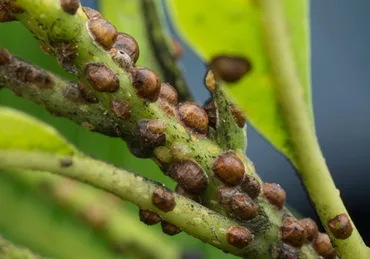
Scale insects

These insects attach to thin roots, exposed rhizomes, or leaf bases and suck sap, causing gradual yellowing and reduced vigor in this miniature epiphytic orchid.

Solution

Remove infested plants from nearby hosts, gently scrub affected areas with a cotton swab dipped in 70% isopropyl alcohol, then rinse with lukewarm water; improve air movement and avoid overcrowding to reduce reinfestation, and use a light horticultural oil spray suitable for orchids if colonies persist.
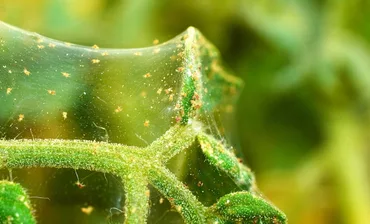
Spider mites

These insects favor the fine, wiry foliage of this orchid in warm, dry air, causing tiny pale speckles, dull leaves, and sometimes fine webbing between leaves and flower stalks.

Solution

Increase humidity to 50–70%, rinse foliage thoroughly under a gentle stream of water, and repeat every few days; for heavier infestations, apply an orchid-safe insecticidal soap to both leaf surfaces, ensuring better air circulation afterward to prevent recurrence while growing Ionopsis utricularioides.
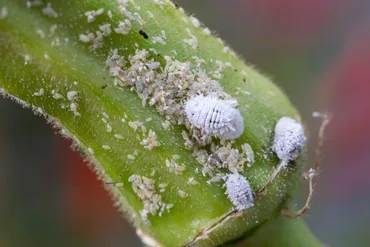
Mealybugs

This pest hides in leaf axils, on flower spikes, and around mounting material, producing cottony masses and sticky honeydew that can lead to sooty mold growth.

Solution

Isolate the plant, physically remove visible insects with a cotton swab dipped in 70% isopropyl alcohol, then rinse the plant and mount; inspect crevices and mounting material regularly and repeat spot treatments weekly until no new insects appear.

Bacterial leaf spot

This disease causes water-soaked, translucent spots on narrow leaves that may enlarge, turn brown, and create weak points on the thin foliage.

Solution

Promptly remove and discard affected leaves with a sterile tool, allow the plant to dry quickly after watering, and avoid water sitting on leaves for long periods; improve air circulation, reduce crowding on mounts or slabs, and keep foliage dry at night to limit further spread.

Fungal blight

Symptoms include small brown or black lesions on leaves or flower spikes that may expand during periods of cool, stagnant, or overly humid air, especially in tight mounting setups.

Solution

Cut off and discard affected tissue with sterilized scissors, space plants to increase airflow, and adjust watering so mounts dry between waterings; if conditions stay humid, apply an orchid-safe fungicide according to label directions and maintain good ventilation to prevent new infections.

Interesting Facts

Mist-loving twig epiphyte

This miniature orchid naturally grows on very thin branches in seasonally dry forests, relying on frequent mist and fog rather than heavy rain for moisture.

Cloud-forest specialist

Wild populations are common along forest edges, riverbanks, and open canopies from Florida through much of tropical America, often forming delicate, airy colonies on exposed twigs.

Tiny but many-flowered

Each plant bears numerous small, pale lavender to pink flowers on wiry, branching spikes, creating a loose cloud of blooms that can be conspicuous even though each individual flower is only a few millimeters across.

Botan icon

Did you know?

This species often grows alongside Spanish moss (Tillandsia usneoides) and other atmospheric epiphytes, exploiting the same fine twigs and airy microhabitats but occupying a slightly different moisture niche, which helps reduce direct competition for resources.

FAQs about Delicate violet orchid

Lack of blooms usually comes from insufficient light intensity, overly warm nights, or a recent disturbance such as repotting or division. Provide bright, filtered light, a slight night temperature drop, and avoid major changes right before its normal blooming season.

Grow Healthy Plants with Botan Care

Keep your plants happy and healthy with plant identification, disease detection, and easy care guidance.

Botan plant care app — identify plants on mobile

Explore More Plants