Stabilize Tall Stems
As fronds elongate, use a heavy, wide pot and top-dress with 2–3 cm of decorative gravel to add weight and prevent the palm from tipping or rocking when moved.

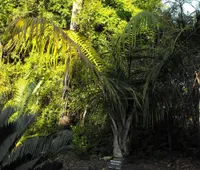
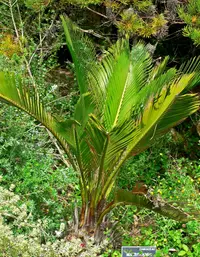
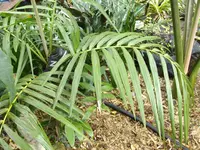
Majesty palm, Ravenea rivularis, is a tropical palm tree valued as a graceful indoor and patio plant. It forms multiple upright stems topped with soft, arching fronds that create a feathery, fountain-like crown.
In nature it grows along riverbanks and moist lowlands in Madagascar, so it prefers stable moisture, higher humidity, and evenly damp but well-drained soil. Light green foliage and a relatively slow growth rate make it suitable for bright rooms where ceiling height allows eventual size.
This species is not the easiest palm indoors, as it reacts to dry air, inconsistent watering, and low light with browning or thinning fronds. Understanding how to care for Majesty palm focuses mainly on balancing light, moisture, and humidity to keep it healthy long term.

Care Difficulty
Moderate Care

Light Preference
Bright Indirect Light

Water Requirements
Keep Soil Moist

Temperature Preference
Tropical / Frost Sensitive

Hardiness Zone
10–11

Soil Texture
Sandy, Loamy, Organic-rich

Soil pH
Acidic (5.5–6.5), Slightly acidic (6.5–7.0)

Soil Drainage
Moist but well-drained

Fertilization
Light (every 4–6 weeks)
Scan your plant to receive care tips personalized for your specific plant
Available on iOS and Android
This species prefers bright, indirect light that mimics river-edge conditions in its native habitat.
This palm prefers evenly moist conditions but reacts poorly to both drought and waterlogging.
This palm prefers warm, stable temperatures with no exposure to frost.
This species prefers moderately high humidity and reacts quickly to very dry air.
This palm needs a loose, moist yet freely draining mix that resists compaction.
This species is suitable for container growing when the pot supports its tall, top-heavy form.
Ravenea rivularis benefits from moderate, consistent feeding during active growth to maintain healthy foliage and steady trunk development.
Pruning Ravenea rivularis focuses on removing only dead or damaged fronds to maintain safety and a tidy appearance.
Container-grown Ravenea rivularis needs occasional repotting or transplanting to avoid root congestion and maintain healthy growth.
Propagation of Ravenea rivularis is typically done from seed and is considered slow and specialized for home growers.
Ravenea rivularis is frost-sensitive and needs careful winter care in most temperate climates, especially in containers.

Plant Health Check
Not sure what's wrong with your plant? Check your plant's health inside the app.
This palm is naturally restricted to sandy riverbeds and seasonally flooded river margins in a few lowland valleys of Madagascar, where it experiences alternating periods of water abundance and brief drought.
In the wild, the species occurs in very small, fragmented populations that are threatened by habitat loss, water extraction, and agricultural expansion, and it is listed as Vulnerable on the IUCN Red List.
Seedlings and juveniles can remain trunkless for many years, forming a rosette of fronds while building up a swollen base, and only later begin to elevate a visible, ringed gray trunk.

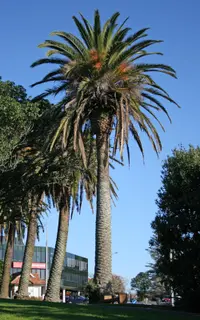
In its native river valleys of Madagascar, mature specimens can exceed 15 m in height with long, gracefully arching fronds, forming part of a distinctive palm-dominated gallery forest that is now rare and highly localized.
Yellowing fronds usually result from overwatering, poor drainage, nutrient deficiency, or natural aging of the oldest leaves. Check the root zone for soggy soil, improve drainage, and consider balanced fertilizer if newer leaves also pale.
Keep your plants happy and healthy with plant identification, disease detection, and easy care guidance.