Alocasia longiloba Care

About Alocasia longiloba

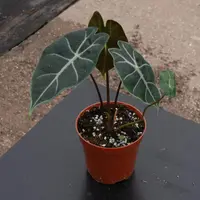
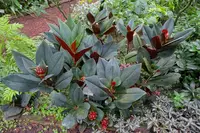
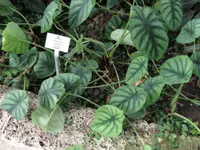
Alocasia longiloba is a tropical aroid grown mainly for its striking arrow-shaped leaves with bold, pale veins and a glossy surface. It usually forms a compact clump from short, thick rhizomes.

This species occurs naturally in parts of Southeast Asia, where it grows in warm, humid forest understories with filtered light. Its ornamental foliage and steady growth make it attractive but not the easiest plant for beginners.

Consistent warmth, high humidity, and evenly moist, airy soil are important for stable growth. Understanding how to care for Alocasia longiloba helps prevent issues like leaf drop, root problems, and pest outbreaks.


Main Plant Requirements

Care Difficulty

Moderate Care

Light Preference

Bright Indirect Light

Water Requirements

Keep Soil Moist

Temperature Preference

Tropical / Frost Sensitive

Hardiness Zone

10–12

Soil Texture

Loamy, Peaty, Organic-rich

Soil pH

Acidic (5.5–6.5), Slightly acidic (6.5–7.0)

Soil Drainage

Moist but well-drained

Fertilization

Moderate (every 2–4 weeks)

Get Personalized Care Plan

Scan your plant to receive care tips personalized for your specific plant

Personalized Care in the App

Available on iOS and Android

How to Care for the Alocasia longiloba

This species prefers bright, filtered light that mimics a forest understory.

  • Provide 6–8 hours of bright, indirect light each day, such as near an east or north window or under light shade outdoors.
  • Accepts light dappled shade, but very low light causes elongated, weak stems and smaller leaves on Alocasia longiloba.
  • Avoid harsh midday or afternoon sun; strong direct rays can scorch foliage, so use sheer curtains or position under taller plants, especially in summer.

Watering should keep the root zone evenly moist but never saturated.

  • Before watering, let the top 2–4 cm of soil dry; use a finger test rather than a strict schedule, which may vary from every few days in summer to less often in winter.
  • Use a chunky, free-draining mix so excess water exits quickly, reducing the risk of root rot and yellowing, mushy leaf stalks from overwatering.
  • Crisp brown edges, drooping petioles, and dry, pulling soil indicate underwatering; adjust by watering more thoroughly and checking moisture more often in warm, bright periods.

Stable, warm conditions support steady growth and reduce stress.

  • Aim for 70–85°F (21–29°C) for active growth; below 65°F (18°C) growth slows and the plant becomes more prone to root issues.
  • Protect from cold; brief drops to 55–60°F (13–16°C) are usually tolerated, but frost or temperatures below 50°F (10°C) can cause leaf collapse and tissue damage.
  • In hot spells above 90°F (32°C), increase shade and airflow, and avoid placing near heat sources or reflective surfaces that can overheat foliage and soil.

This species needs consistently high humidity to keep foliage healthy and stable.

  • Aim for 60–80% humidity; growth slows and leaf edges crisp when air stays below 50%.
  • Watch for brown tips, rolled margins, and stalled new leaves as signs of humidity stress.
  • Increase humidity with a nearby humidifier, grouping plants, or a pebble tray rather than misting leaves directly.

This aroid prefers an airy, moisture-retentive yet fast-draining mix that keeps roots oxygenated.

  • Use a loose, organic-rich base such as peat- or coco-based potting mix blended with perlite and fine orchid bark.
  • Aim for slightly acidic to neutral pH (6.0–7.0) to support nutrient availability and root function.
  • Ensure rapid drainage; soil should drain within seconds, not sit soggy or compacted after watering.
  • Avoid heavy garden soil, unamended compost, or mixes that form clods, which limit aeration and promote root rot in Alocasia longiloba.

This species is well suited to container culture when the pot supports its upright, somewhat top-heavy growth.

  • Choose a pot just 2–5 cm wider than the root mass so the mix dries evenly rather than staying wet in unused zones.
  • Select a stable, weighty container or cachepot to prevent tipping as leaves and petioles lengthen and shift the center of gravity.
  • Use a pot material that matches your climate: porous terracotta to release excess moisture, or glazed plastic/ceramic to slow drying in low-humidity rooms.

Consistent but moderate feeding supports strong foliage and root growth in Alocasia longiloba.

  • Use a balanced liquid fertilizer (for example 10-10-10 or 20-20-20) diluted to 1/4–1/2 strength for container plants.
  • Apply every 2–4 weeks during the warm, active growing season when light and watering are stable.
  • Pause or reduce feeding to once every 6–8 weeks in winter or dormancy, when growth slows.
  • Avoid heavy applications of compost or slow-release pellets that can keep the soil too rich and salty for the roots.

Pruning is mainly hygienic for Alocasia longiloba and helps maintain a tidy, healthy clump.

  • Best time is during active growth in spring or early summer, so cuts heal quickly.
  • Remove yellowing, dead, or mechanically damaged leaves at the base with clean, sharp scissors or pruners.
  • Cut out crowded, inward-facing petioles to slightly open the clump and improve airflow around leaves.
  • Disinfect tools before and after use to limit entry of fungal or bacterial pathogens into fresh cuts.

Container-grown Alocasia longiloba benefits from occasional repotting to avoid root binding and depleted substrate.

  • Check for roots circling the pot, pushing through drainage holes, or unexplained slow growth as signs repotting is needed every 1–2 years.
  • Plan to repot in spring, just before strong new growth, so the root system can recover quickly.
  • Move up only 2–5 cm in pot diameter, using a well-drained, airy mix and handling the roots gently to limit stress.
  • Water thoroughly after repotting, keep in bright but indirect light, and maintain stable warmth and humidity while the plant re-establishes.

Division is the most reliable method for Alocasia longiloba propagation in home conditions.

  • Carry out division in spring or early summer when the plant is actively growing and can regenerate roots.
  • Unpot the clump, gently remove soil, and separate rhizomes or offsets, ensuring each division has at least one healthy shoot and root section.
  • Plant divisions in a small, well-drained, slightly moist mix and keep temperatures around 70–80°F with high humidity.
  • Provide bright, indirect light and avoid overwatering; slight, even moisture supports new root formation and leaf expansion.

This species is frost sensitive and needs careful winter management, especially in climates colder than USDA zone 10.

  • Avoid temperatures below 55°F; sustained chills can damage leaves and rhizomes.
  • Move container plants indoors before the first frost, placing them in bright, indirect light away from cold drafts.
  • Reduce watering so the top 2–3 cm of soil dry between waterings, as cool, wet conditions increase rot risk.

Care Tips

Leaf support setup

Use a low, stable pot and position the plant so the petioles have room to arch without hitting walls or windows, and add 1–2 discreet stakes if any large leaves lean so far that their own weight risks snapping the petiole at the base.

Rot-sensitive repotting

When repotting, gently rinse old mix from the roots, trim all mushy tissue with sterilized scissors, dust cuts with powdered sulfur or cinnamon, and let roots air-dry 15–20 minutes before placing into fresh, airy mix to reduce post-repot rot.

Targeted pest checks

Inspect the undersides of leaves, petiole joints, and the crown once a week with a flashlight, and wipe these areas with a damp cloth or cotton pad dipped in diluted insecticidal soap at the first sign of spider mites or scale to prevent infestations from becoming established.

Seasonal rest adjustment

In late fall, allow the plant to slow down by avoiding repotting, heavy fertilizing, or major relocation, and accept temporary leaf loss as dormancy instead of repeatedly changing conditions, which can stress the corm and delay spring recovery.

Corm health monitoring

If growth stalls for several months, unpot carefully to inspect the corm for firmness and healthy white roots, then replant slightly higher in the pot so the top of the corm sits just below the mix surface, which improves gas exchange and supports long-term Alocasia longiloba plant care.

Common Pests and Diseases

Spider mites

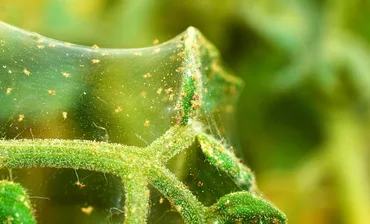
This pest thrives on the thin, velvety leaves, causing stippling, dulling of the leaf surface, and fine webbing on leaf undersides and petioles. Symptoms include slowed growth and leaves that lose their deep green color and appear dusty or speckled.

Solution

Rinse foliage thoroughly with lukewarm water, focusing on leaf undersides, then follow with repeated applications of insecticidal soap or a neem oil solution every 5–7 days until no new damage appears. Raise humidity to 60–70% and avoid hot, dry air, as this makes it harder for mites to establish on the plant.

Rhizome rot

This disease affects the underground rhizome, leading to soft, mushy tissue and a foul smell, often followed by sudden leaf yellowing and collapse. Symptoms include poorly anchored plants that wobble in the pot and dark, water-soaked areas on the rhizome when inspected.

Solution

Unpot the plant, cut away all soft, discolored rhizome tissue with a sterile blade, and dust the healthy cut surfaces with a fungicidal powder or ground cinnamon. Repot into a fresh, airy mix with high drainage, water lightly, and maintain warm temperatures (70–80°F) while avoiding waterlogged conditions to support recovery and reduce rot risk when growing Alocasia longiloba.

Leaf spot (fungal)

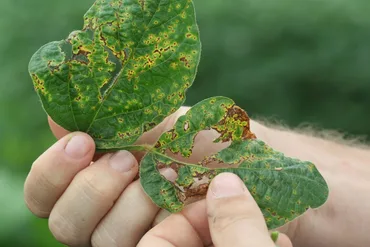
This disease produces brown or purplish spots with yellow halos on the broad leaves, often starting on older foliage where water sits. Symptoms include irregular lesions that may merge and cause partial leaf collapse if humidity is high and air is stagnant.

Solution

Remove and discard affected leaves, cutting back into healthy tissue, and avoid overhead watering so leaves dry quickly. Improve airflow around the plant and apply a labeled copper-based or broad-spectrum houseplant fungicide according to instructions, repeating as needed until no new spots form.

Mealybugs

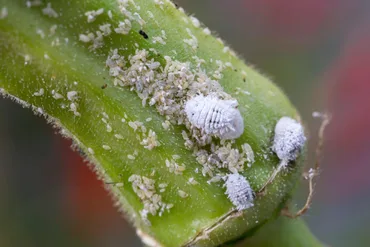
These insects cluster in leaf axils and along the midrib, leaving white, cottony masses and sticky honeydew that can lead to sooty mold. Symptoms include distorted new growth and a general decline in vigor as sap is removed from the leaves and petioles.

Solution

Dab visible insects with cotton swabs dipped in 70% isopropyl alcohol, then wash the foliage thoroughly to remove residues and honeydew. Follow with repeated treatments of insecticidal soap or neem oil every 7–10 days and isolate the plant from others until no new mealybugs appear.

Bacterial blight

This disease causes water-soaked, translucent patches on leaves that quickly turn dark and may ooze when very moist, often starting where water collects on the blade margin or tip. Symptoms include rapid spread across a leaf and a bad odor if infection is severe.

Solution

Immediately remove and discard all affected leaves, sterilizing cutting tools between each cut, and avoid misting or splashing water on foliage. Provide strong but indirect light, good air movement, and allow the potting mix surface to dry slightly between waterings; in severe cases, discard heavily infected plants to protect nearby aroids.

Interesting Facts

Arrow-shaped leaf design

This species has narrowly sagittate (arrow-shaped) leaves with strongly constricted leaf bases and long posterior lobes, a combination that helps distinguish it from similar Alocasia species in Southeast Asia.

Blue-green leaf sheen

Mature leaves often show a subtle blue-green to grayish cast with contrasting pale primary veins, a color effect caused by the interaction of surface waxes with underlying chlorophyll layers.

Rocky habitat specialist

In the wild, this species is frequently found on rocky limestone or well-drained forest slopes in parts of Southeast Asia, where it anchors in leaf litter pockets rather than deep soil.

Botan icon

Did you know?

The name longiloba refers to its unusually elongated basal lobes, a morphological feature that early botanists used as a key character to separate it from other arrowleaf aroids during 19th-century taxonomic work.

FAQs about Alocasia longiloba

Brown edges usually come from low humidity, excessive fertilizer salts, or irregular moisture rather than direct underwatering. Increase humidity, flush the potting mix occasionally, and avoid letting the root zone swing between completely dry and saturated.

Grow Healthy Plants with Botan Care

Keep your plants happy and healthy with plant identification, disease detection, and easy care guidance.

Botan plant care app — identify plants on mobile

Explore More Plants