Use Climbing Support
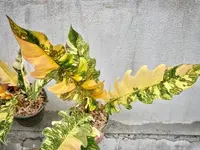
Provide a moss pole or rough stake and loosely tie stems as they lengthen so the plant can climb, which promotes larger, flatter leaves with better silver variegation.

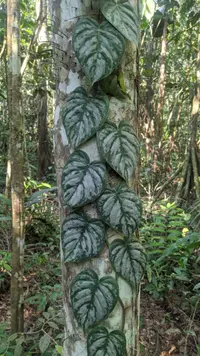
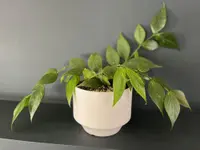
Philodendron brandtianum is a compact, climbing aroid valued for its olive-green leaves with striking silver patches. It is often grown on a moss pole or left to trail from hanging containers indoors. Native to tropical regions of South America, it naturally grows as an epiphyte, rooting into tree bark in warm, humid forests. This background explains its preference for airy substrates and stable indoor temperatures. The plant is considered moderately easy when its needs are understood, making it suitable for owners with some basic experience. Light to moderate indirect light, evenly moist but not waterlogged soil, and good humidity are the main points to remember when learning how to care for Philodendron brandtianum.

Care Difficulty
Moderate Care

Light Preference
Bright Indirect Light

Water Requirements
Moderate Water

Temperature Preference
Tropical / Frost Sensitive

Hardiness Zone
10–11

Soil Texture
Loamy, Peaty, Organic-rich

Soil pH
Acidic (5.5–6.5), Slightly acidic (6.5–7.0)

Soil Drainage
Moist but well-drained

Fertilization
Light (every 4–6 weeks)
Scan your plant to receive care tips personalized for your specific plant
Available on iOS and Android
This species prefers bright, indirect light that mimics a forest canopy.
Watering should aim for evenly moist but never waterlogged soil.
Stable, warm conditions support compact growth and healthy foliage.
This species benefits from moderate to high humidity for stable growth.
Use a loose, airy, organic-rich mix that drains quickly yet retains some moisture.
This climber is very suitable for container growing.
This plant responds well to light, consistent feeding during active growth.
Thoughtful pruning keeps this vining aroid compact and encourages bushier growth.
Container-grown plants benefit from occasional repotting into fresh, well-drained mix.
Stem cuttings provide the most reliable way to increase this plant at home.
This tropical species is not frost hardy and must be kept warm in winter.

Plant Health Check
Not sure what's wrong with your plant? Check your plant's health inside the app.
The characteristic silvery patches on the leaves are caused by areas with fewer chloroplasts, which reflect light and may help protect the leaf from excess radiation in its native bright but filtered habitats.
In the wild, this species typically starts life as a shingling vine, with juvenile leaves pressing flat against tree bark as it climbs toward higher light before producing slightly larger, more separated foliage.
This species shows noticeable heteroblasty, meaning juvenile and adult leaves differ in shape and texture, with more elongated, less strongly patterned leaves often appearing as the plant gains height and climbing support.
This species is a vining aroid that naturally climbs rather than creeping along the ground. It anchors itself with aerial roots and forms longer internodes if kept unsupported, so providing a moss pole or trellis helps maintain compact, decorative growth.
Keep your plants happy and healthy with plant identification, disease detection, and easy care guidance.