Encourage Bushy Growth
Pinch back soft stem tips just above a leaf node every few months to encourage branching and maintain a compact, full shape rather than letting the plant grow leggy.

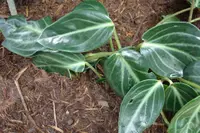
Spotted peperomia, Peperomia maculosa, is a compact tropical understory plant grown mainly for its glossy, patterned foliage. It typically forms a low clump with thick, slightly succulent leaves that help it cope with short dry spells.
In the wild, it occurs in humid forests of Central and South America, often in shaded, well-drained leaf litter or on decaying wood. This background makes it suitable for bright indoor spots with indirect light.
Its modest size, slow to moderate growth, and tolerance of average indoor humidity make it relatively easy for beginners, as long as roots are not kept waterlogged. Understanding how to care for Spotted Peperomia starts with avoiding heavy, compacted soil and strong direct sun.

Care Difficulty
Easy Care

Light Preference
Bright Indirect Light

Water Requirements
Moderate Water

Temperature Preference
Tropical / Frost Sensitive

Hardiness Zone
11–12

Soil Texture
Loamy, Peaty, Organic-rich

Soil pH
Acidic (5.5–6.5), Slightly acidic (6.5–7.0)

Soil Drainage
Well-drained

Fertilization
Light (every 4–6 weeks)
Scan your plant to receive care tips personalized for your specific plant
Available on iOS and Android
Peperomia maculosa prefers bright, indirect light that mimics dappled forest shade.
Peperomia maculosa prefers light, even moisture with time to dry slightly between waterings.
This species thrives in stable, warm conditions similar to a mild tropical understory.
This species prefers moderate household humidity but benefits from slightly elevated levels.
This plant grows best in a loose, airy mix that drains quickly yet holds light, even moisture.
This species is well suited to container growing for controlled moisture and root conditions.
This plant benefits from light, consistent feeding during its active growing season.
Pruning Peperomia maculosa is mainly about cleaning and shaping the plant, not heavy cutting.
Peperomia maculosa has a modest root system and usually needs infrequent repotting.
Propagation of Peperomia maculosa is commonly done from stem cuttings under warm, stable conditions.
Winter care focuses on temperature management and restrained watering for indoor-grown Peperomia maculosa.

Plant Health Check
Not sure what's wrong with your plant? Check your plant's health inside the app.
When gently rubbed, its thick, glossy leaves release a light vanilla-like fragrance, which is unusual among Peperomia species that often have little or no noticeable scent.
Although it has fleshy, water-storing leaves similar to succulents, this species is native to humid tropical forests of Central and South America, where it grows on the forest floor or as an epiphyte on mossy tree trunks.
Its broad, heart-shaped leaves have a darker green midrib and paler, irregular spotting or mottling between veins, which gives the plant the characteristic maculosa (spotted) appearance referenced in Peperomia maculosa care instructions.
Brown leaf edges usually come from underwatering, very low humidity, or fertilizer salts building up in the pot. Check soil moisture, flush the pot occasionally with plain water, and avoid placing the plant near hot, dry air.
Keep your plants happy and healthy with plant identification, disease detection, and easy care guidance.