Echeveria laui Care

About Echeveria laui

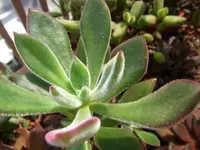
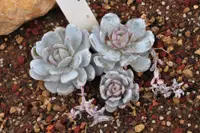
Echeveria laui is a compact, slow-growing succulent known for its pale blue to pinkish rosettes covered in a powdery waxy coating. This natural wax protects the leaves from strong sun and reduces water loss, but it rubs off easily if touched.

The species is native to rocky limestone slopes in Oaxaca, Mexico, where it experiences high light, good airflow, and very sharp drainage. Its drought tolerance and slow growth make it suitable for containers and indoor windowsills, but it is sensitive to excess moisture and prolonged cold. With bright light, lean gritty soil, and careful watering, it is relatively straightforward to care for Echeveria laui.

Main Plant Requirements

Care Difficulty

Moderate Care

Light Preference

Full Sun

Water Requirements

Low Water

Temperature Preference

Tropical / Frost Sensitive

Hardiness Zone

10–11

Soil Texture

Sandy, Loamy, Rocky

Soil pH

Slightly acidic (6.5–7.0), Neutral (7.0)

Soil Drainage

Well-drained

Fertilization

Minimal (feed rarely)

Get Personalized Care Plan

Scan your plant to receive care tips personalized for your specific plant

Personalized Care in the App

Available on iOS and Android

How to Care for the Echeveria laui

This species prefers bright, direct light but needs gradual acclimation outdoors to avoid leaf damage.

  • Provide 4–6 hours of direct sun daily, ideally gentle morning sun with bright shade or filtered light in the harsh afternoon.
  • In hot climates, protect Echeveria laui from intense midday summer sun to prevent scorching and bleaching of the powdery leaf coating.
  • If grown in partial shade, ensure at least 6–8 hours of bright indirect light; stretched, leaning growth indicates insufficient sun.

Watering should mimic arid conditions, allowing the root zone to dry significantly between soakings.

  • Check that the top 3–5 cm of soil are completely dry before watering, then water deeply so excess drains away from the roots.
  • During active growth in spring and summer, you may water more often, but reduce frequency sharply in cool, low-light months to prevent root rot in Echeveria laui.
  • Soft, translucent leaves suggest overwatering, while wrinkled, deflated leaves indicate underwatering; adjust timing rather than amount each time.

This succulent thrives in warm, dry conditions with protection from frost and extreme heat.

  • Aim for 65–80°F (18–27°C) for best growth; short spikes up to 90°F (32°C) are tolerated if airflow is good and soil is dry between waterings.
  • Avoid temperatures below 40°F (4°C); prolonged exposure near freezing and any hard frost can scar leaves and kill growing points.
  • In regions with cold winters, treat it as a tender succulent, moving containers or offsets to a sheltered spot once nights drop below 45°F (7°C).

This species prefers dry air and typical indoor humidity rather than elevated moisture.

  • Aim for 30–50% humidity; avoid humidifiers and closed terrariums that trap moisture around leaves.
  • Dry household air is usually well tolerated, but persistent humidity above 60% increases rot risk.
  • Signs of excess humidity include soft, translucent leaves and dark leaf bases; increase air flow with a fan or more space between plants.

Use a very fast-draining, mineral-rich mix to reduce root and stem rot risk.

  • Choose a sandy, gritty structure such as 50–70% inorganic material with only a small fraction of organic matter.
  • Combine commercial cactus mix with extra perlite, pumice, or coarse sand to improve drainage and aeration.
  • Keep pH slightly acidic to neutral, around 6.0–7.0, which suits Echeveria laui and most succulents.
  • Avoid peat-heavy, compact, or water-retentive mixes and never allow water to pool on the soil surface.

This species is very suitable for container growing when excess water can drain rapidly.

  • Select a shallow, wide pot that matches the shallow root system, which helps the rosette stay stable on the surface.
  • Choose unglazed terracotta if extra evaporation is needed, since it allows moisture to escape through the pot walls.
  • Raise the pot slightly on feet or a stand so drainage holes are clear and water does not collect under the base.

This compact succulent needs light feeding to support steady growth without stretching.

  • Use a balanced liquid fertilizer (around 10-10-10 or 20-20-20) diluted to 25–50% strength for caring for Echeveria laui.
  • Feed once every 4–6 weeks in spring and summer only, after watering, to avoid root burn.
  • Skip fertilizer in fall and winter when growth slows and the plant rests.
  • Avoid rich compost or frequent slow-release pellets, which can cause weak, leggy growth.

Pruning Echeveria laui focuses on cleanliness and rosette shape rather than size control.

  • Best time is late winter to early spring, before active growth resumes.
  • Remove dead, dried, or damaged leaves at the base using clean fingers or small scissors.
  • Trim spent flower stalks back to the rosette to maintain a compact appearance.
  • Discard diseased material and avoid cutting into healthy rosette centers, which can deform growth.

This species prefers infrequent repotting in a well-draining container mix.

  • Repot every 2–3 years or when roots circle the pot, water drains poorly, or growth slows.
  • Choose late spring as the safest time, when Echeveria laui enters its active growth phase.
  • Move into a pot only 2–3 cm wider, filled with gritty cactus or succulent mix to limit rot risk.
  • Handle the root ball gently, remove loose old soil, allow any broken roots to callus, then water lightly after 3–5 days.

Propagation of Echeveria laui is commonly done from offsets and leaf cuttings.

  • Best season is spring to early summer, when warmth and light support fast rooting.
  • Gently twist healthy leaves off the stem or separate offsets with a clean knife.
  • Allow cut ends to dry and callus for 2–5 days before placing on barely moist, gritty mix.
  • Provide bright, indirect light, 65–75°F warmth, and minimal watering until roots and tiny rosettes form.

This succulent is frost sensitive and needs protection in regions with cold winters.

  • Avoid exposure below about 35°F; freezing conditions can damage leaves and roots.
  • In cold climates, keep containers indoors in bright light during winter months.
  • Use a very fast-draining mix and water sparingly, letting soil dry fully between light waterings.
  • Ensure good air circulation and cool, dry conditions to reduce rot and fungal problems.

Care Tips

Preserve Leaf Coating

Always handle the plant by the pot or lower stem and avoid touching the leaves, because removing the powdery farina reduces its natural protection from sun and water stress.

Controlled Rain Exposure

If you summer the plant outdoors, place it under a deep overhang or on a covered balcony so it gets strong light and airflow but is protected from direct rainfall that can spot or rot the leaves.

Dry-Leaf Watering

When top-watering, pour slowly at the base and then tilt the pot slightly so any water trapped between leaves drains off, preventing rot in the tight rosette center.

Winter Light Boost

In short winter days, shift the plant to the brightest, coolest window available and, if stretching still appears, add a small grow light 6–8 in above the rosette for 8–10 hours to keep it compact.

Inspect Bottom Leaves

Check and gently remove only fully dried, papery lower leaves every few weeks so they do not trap moisture or pests at the crown while still leaving any firm, slightly shriveled leaves in place as reserves when growing Echeveria laui.

Common Pests and Diseases

Mealybugs

This pest forms white, cottony clusters in leaf axils and around the stem, often leading to stunted growth and sticky honeydew on nearby surfaces.

Solution

Isolate the plant, then dab visible insects with cotton swabs dipped in 70% isopropyl alcohol and gently wipe affected areas; repeat weekly until no new clusters appear, and improve air movement plus avoid overfertilizing to reduce reinfestation risk.

Aphids

These insects gather on fresh growth and flower stalks, sucking sap and causing distortion, sticky honeydew, and sometimes sooty mold on the powdery leaves.

Solution

Rinse the plant under a gentle but firm stream of water to dislodge colonies, then treat remaining insects with insecticidal soap or diluted neem oil, making sure to keep sprays off the soil as much as possible and repeating every 5–7 days until control is achieved.

Soft scale

This pest appears as flat, tan to brown bumps along stems and leaf bases, weakening the plant and interrupting normal growth over time.

Solution

Manually remove scales using a soft brush or cotton swab dipped in 70% isopropyl alcohol, then apply a light coating of horticultural oil to stems and undersides of leaves, keeping the plant in bright, dry conditions to support recovery.

Powdery mildew

This disease shows as irregular white, floury patches on the usually bluish leaf surface, dulling the natural waxy coating and sometimes causing yellowing or scarring.

Solution

Increase light and airflow, avoid overhead watering, remove heavily affected leaves, and apply a sulfur-based or potassium bicarbonate fungicide formulated for succulents, taking care not to rub or scrub the leaf bloom while treating.

Bacterial leaf spot

Symptoms include small, water-soaked spots that turn dark and sunken, often starting on lower leaves where moisture lingers, which can mar the rosette appearance important for Echeveria laui care.

Solution

Remove and discard affected leaves, allow the soil to dry thoroughly between waterings, keep water off the foliage, and improve ventilation; in severe or recurrent cases, discard the most affected plants to prevent spread to nearby succulents.

Interesting Facts

Naturally waxy leaves

The thick white coating on its leaves is a natural wax called epicuticular wax, which protects the plant from intense sun and reduces water loss in its native dry habitats of Oaxaca, Mexico.

Slow-growing rosette

This species forms compact, symmetrical rosettes that enlarge very slowly over several years, making mature specimens notably more valuable and harder to produce commercially.

Sensitive leaf coating

The pale, powdery surface is easily rubbed off by handling or water splashes, and once removed does not grow back on that leaf, which is why careful, minimal touching is recommended in Echeveria laui care.

Botan icon

Did you know?

Echeveria laui was originally described from plants collected on limestone cliffs in Oaxaca, indicating a strong natural adaptation to mineral-rich, sharply draining rocky substrates rather than typical garden soils.

FAQs about Echeveria laui

This species performs best outdoors in bright, dry conditions with good airflow, but can adapt to bright indoor windowsills. For Echeveria laui indoor care, avoid low light and high humidity, which cause stretching and rot.

Grow Healthy Plants with Botan Care

Keep your plants happy and healthy with plant identification, disease detection, and easy care guidance.

Botan plant care app — identify plants on mobile

Explore More Plants