Moses-in-the-cradle Care (Tradescantia spathacea)

Also known as: Moses-in-the-cradle, Moses-in-the-basket

About Moses-in-the-cradle

Moses-in-the-cradle, Tradescantia spathacea, is a compact, clump-forming tropical plant grown mainly for its colorful foliage. It is often used as a houseplant or warm-climate groundcover.

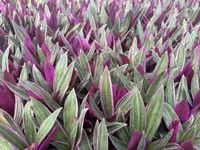
The leaves are stiff, sword-shaped, green on top and purple underneath, forming rosettes that create a dense, low mound. Small white flowers sit in boat-shaped bracts that give the plant its common name.

This species is native to southern Mexico and Central America, where it grows in warm, humid, partially shaded sites. Its tough foliage and moderate growth rate make it relatively easy to care for Moses-in-the-cradle, as long as it gets bright indirect light, lightly moist but not waterlogged soil, and good drainage.

Main Plant Requirements

Care Difficulty

Easy Care

Light Preference

Bright Indirect Light

Water Requirements

Moderate Water

Temperature Preference

Tropical / Frost Sensitive

Hardiness Zone

9–12

Soil Texture

Loamy, Sandy, Organic-rich

Soil pH

Acidic (5.5–6.5), Slightly acidic (6.5–7.0)

Soil Drainage

Moist but well-drained

Fertilization

Light (every 4–6 weeks)

Get Personalized Care Plan

Scan your plant to receive care tips personalized for your specific plant

Personalized Care in the App

Available on iOS and Android

How to Care for the Moses-in-the-cradle

Tradescantia spathacea favors bright, indirect light to maintain compact growth and strong leaf color.

  • Provide 6–8 hours of bright, filtered light daily; morning sun with afternoon shade is ideal, especially in hot climates.
  • Tolerates partial shade, but Moses-in-the-cradle may develop longer, weaker stems and duller purple undersides if light is below 4 hours.
  • Avoid harsh midday sun, which can scorch leaves and cause brown patches; in winter, move plants closer to windows or into brighter spots.

This species prefers steady moisture with short dry intervals rather than constantly wet soil.

  • Water when the top 2–3 cm of soil feels dry, using enough water to moisten the root zone, then allow excess to drain away completely.
  • In spring and summer, drying will be faster; monitor leaf turgor and soil feel instead of using a fixed schedule for Tradescantia spathacea.
  • Yellowing, limp leaves and a sour smell indicate overwatering and poor drainage; crisp, folding leaves and very light soil signal underwatering.

This plant grows best in warm, stable temperatures without exposure to frost or intense heat.

  • Aim for 65–80°F (18–27°C) for active growth; it can handle brief swings outside this range if kept dry and shaded during extremes.
  • Avoid temperatures below 50°F (10°C); tissue damage often appears as dark, mushy patches after cold exposure, even without visible frost.
  • In summer, protect from reflected heat above 90°F (32°C) with shade and extra airflow; in cooler months, shelter from cold drafts and sudden temperature drops.

This species grows well in moderate to slightly elevated indoor humidity.

  • Aim for 40–60% humidity to support steady growth and maintain strong foliage color in Moses-in-the-cradle.
  • It tolerates short periods of drier air but prolonged humidity below 35% can cause brown, crispy leaf tips and edges.
  • Increase humidity locally with a pebble tray, grouping plants, or a small humidifier rather than misting, which adds only brief surface moisture.

This plant prefers a light, fast-draining mix that still holds some moisture.

  • Use a loose, organic-rich mix such as 2 parts all-purpose potting mix, 1 part perlite, and 1 part fine bark or coarse sand.
  • Ensure rapid drainage so water runs through in seconds and the top layer dries within a few days, preventing root suffocation.
  • Tradescantia spathacea grows best in slightly acidic to neutral soil, roughly pH 6.0–7.0, avoiding strongly alkaline mixes that can limit nutrient availability.
  • Improve aeration by avoiding compaction; gently fill and tap the pot instead of pressing the mix down firmly, and refresh coarse components if they break down.

This species is very suitable for container growing due to its compact, clumping habit.

  • Choose a low, wide pot that matches its rosette spread to prevent tipping as foliage becomes dense and slightly top-heavy.
  • Select a container material that matches your watering style; terracotta helps dry the mix faster, while plastic retains moisture longer.
  • Ensure drainage holes stay clear by elevating the pot slightly on feet or pot risers so water can exit freely and salts do not accumulate at the base.

This plant responds well to light, consistent feeding during active growth for compact foliage and good color when caring for Moses-in-the-cradle.

  • Use a balanced liquid fertilizer (such as 10-10-10 or 20-20-20) diluted to 1/4–1/2 strength.
  • Feed every 4–6 weeks in spring and summer when growth is active.
  • Skip or reduce feeding to 1 light dose in fall and stop in mid-winter.
  • Organic options like diluted compost tea are suitable if the potting mix drains well.

Pruning supports dense, tidy growth and removes weak tissue on Tradescantia spathacea.

  • Best time is late winter to early spring, with light touch-ups through the growing season.
  • Trim back leggy or elongated stems to just above a leaf node to encourage branching.
  • Remove yellowing, dead, or damaged leaves and crowded stems to improve airflow.
  • Use clean, sharp scissors or pruning shears and disinfect blades to limit disease spread.

This species grows well slightly root-bound but benefits from periodic repotting to refresh the substrate.

  • Repot every 2–3 years or when roots circle the pot, emerge from drainage holes, or growth slows despite good care.
  • Plan repotting for spring, when new growth begins and recovery is faster.
  • Move into a container 2–5 cm wider, using a well-draining peat- or coco-based mix with perlite.
  • Water lightly after repotting, keep out of direct sun for 3–5 days, and avoid fertilizing for 2–3 weeks to limit root stress.

New plants are most often produced from vegetative material rather than seed in this species.

  • Use stem cuttings or division of clumps as the main propagation methods.
  • Take 5–10 cm cuttings or divide offsets in spring or early summer for best rooting.
  • Provide bright, indirect light, high humidity, and a sterile, well-draining medium such as perlite and peat.
  • Insert cuttings with at least 1–2 nodes buried, keep evenly moist but not soggy, and expect roots in 2–4 weeks.

This plant is frost-sensitive and needs protection in regions with cold winters.

  • In USDA zones below 9–10, grow in containers and move indoors before temperatures drop near 40°F.
  • Indoors, maintain 60–75°F with bright, indirect light and slightly drier soil than in summer.
  • In mild climates, apply a 5–8 cm mulch layer around outdoor clumps to insulate roots.
  • Remove or trim back frost-damaged foliage in late winter once the risk of hard frost has passed.

Care Tips

Encourage Bushy Growth

Pinch back the soft tips of each stem just above a leaf node every few weeks to encourage side shoots and a denser, fuller plant rather than long, sparse stems.

Rotate For Even Color

Turn the pot 90° every 1–2 weeks so all sides receive similar light exposure, which keeps the rosettes symmetrical and maintains even purple coloration.

Refresh Leggy Plants

If the center becomes bare or stretched, cut and re-root the healthiest outer rosettes in fresh mix, then discard the old woody base to quickly rejuvenate the planting.

Use Shallow Containers

Choose wide, shallow pots to accommodate the plant’s fibrous, surface-leaning roots and allow offsets to spread, which improves stability and reduces the risk of the plant toppling.

Monitor Salt Build‑Up

Every 2–3 months leach the pot by slowly running distilled or rainwater through the soil for several minutes to reduce fertilizer salts that can burn leaf tips when growing Moses-in-the-cradle.

Common Pests and Diseases

Spider mites

This pest often appears on stressed plants grown in warm, dry indoor air, causing fine stippling and dull, dusty-looking foliage. Symptoms include very fine webbing on leaf undersides and bronzing or loss of the purple color on Moses-in-the-cradle leaves.

Solution

Rinse foliage thoroughly with lukewarm water, focusing on leaf undersides, and repeat every few days for 1–2 weeks; then increase humidity and avoid placing the plant near heating vents. For persistent infestations, use insecticidal soap or a horticultural oil spray, applied according to label directions and kept off blooms if present.

Mealybugs

These insects show up as white, cottony clusters tucked into leaf bases and along stems, where they suck sap and slow growth. Symptoms include sticky honeydew, distorted new leaves, and weakened, drooping rosettes.

Solution

Isolate the plant and dab visible mealybugs with cotton swabs dipped in 70% isopropyl alcohol, then gently wash the plant to remove residues and honeydew. Repeat inspections weekly and, if needed, use insecticidal soap, ensuring good coverage into leaf axils where mealybugs hide.

Scale insects

This pest looks like small, tan to brown bumps fixed on stems and leaf midribs while feeding on plant sap. Symptoms include sticky leaves, yellowing patches, and slow, thin growth along the clumping fans of foliage.

Solution

Scrape or lift off individual scales with a fingernail or soft tool, then wipe stems and leaf midribs with a cloth lightly moistened with 70% isopropyl alcohol. Follow up with 2–3 treatments of horticultural oil or insecticidal soap at 7–10 day intervals to target newly hatched crawlers.

Leaf spot

This disease causes brown or purplish spots on leaves, often starting on older foliage or in dense clumps with poor air movement. Symptoms include water-soaked lesions that later turn dry and tan, sometimes surrounded by a yellow halo.

Solution

Remove and discard affected leaves, then space plants to improve air circulation and avoid wetting the foliage during watering. If spotting continues to spread, use a copper-based or other labeled ornamental fungicide as a preventive spray, applied in dry weather and according to the product instructions.

Southern blight

This disease, caused by soilborne fungi, starts as sudden wilting and yellowing of lower leaves and fans, often in warm, wet conditions. Symptoms include brown, mushy stem bases at the soil line with white fungal growth and small, tan sclerotia that look like mustard seeds on the soil surface.

Solution

Discard severely affected plants and the surrounding soil, and avoid reusing the same potting mix or containers without thorough cleaning. For remaining healthy plants, use a well-draining mix, avoid overwatering, and keep the crown slightly above the soil line to reduce stem-base moisture, which lowers the risk when you grow Tradescantia spathacea in warm climates.

Interesting Facts

Boat‑shaped flower bracts

The common name Moses-in-the-cradle comes from its stiff, boat-like bracts that cradle small white flowers in the center, resembling a tiny figure lying in a cradle.

Colorful leaf anatomy

Its leaves have a green upper surface and purple underside due to different pigment concentrations, which helps manage light capture and protection from excess radiation in bright tropical habitats.

Clonal groundcover habit

In suitable climates it spreads by short, thick rhizomes and easily rooting stems, allowing dense clonal patches that can outcompete nearby low-growing plants in gardens and naturalized areas.

Botan icon

Did you know?

In some warm coastal regions, notably parts of Florida, Hawaii, and Australia, this species is listed as an invasive ornamental because escaped garden populations can form dense, long-lived mats that displace native understory vegetation in tropical and subtropical ecosystems.

FAQs about Moses-in-the-cradle

Brown tips or edges usually result from low humidity, underwatering, or excess fertilizer salts. Fluoride or chlorine in tap water can also scorch margins. Trim damaged parts, flush the soil occasionally, and use filtered or aged water.

Grow Healthy Plants with Botan Care

Keep your plants happy and healthy with plant identification, disease detection, and easy care guidance.

Botan plant care app — identify plants on mobile

Explore More Plants