Stem stabilization
As the plant becomes top-heavy, anchor the main stem with a discreet stake and soft ties set low in the pot so the felted leaves are not bruised or compressed.

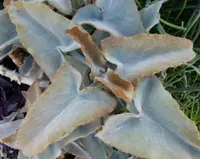
Felt bush, Kalanchoe beharensis, is a succulent shrub from dry regions of Madagascar. It develops thick, woody stems and can become a small indoor tree over time. The large, triangular leaves are velvety, with a soft felt-like surface and often brownish edges, giving the plant a distinctive sculptural look. Growth is upright and branching, so it needs space and a stable pot. This species stores water in its leaves and stems, which makes it forgiving of occasional missed watering and generally easy to keep alive. It prefers bright light, low to moderate moisture, and very well-draining soil. Understanding how to care for Felt bush helps it stay compact and attractive rather than leggy.

Care Difficulty
Easy Care

Light Preference
Bright Indirect Light

Water Requirements
Low Water

Temperature Preference
Tropical / Frost Sensitive

Hardiness Zone
11–12

Soil Texture
Sandy, Loamy, Rocky

Soil pH
Slightly acidic (6.5–7.0), Neutral (7.0)

Soil Drainage
Well-drained

Fertilization
Minimal (feed rarely)
Scan your plant to receive care tips personalized for your specific plant
Available on iOS and Android
This succulent needs bright, steady light to keep its leaves compact and well-colored.
This drought-tolerant succulent prefers thorough but infrequent watering in fast-draining soil.
This species prefers warm, dry conditions and is sensitive to frost and prolonged chill.
Humidity is rarely critical for Kalanchoe beharensis, which prefers fairly dry air.
Kalanchoe beharensis needs a very fast-draining, mineral-heavy substrate to prevent root rot.
This species is well suited to container growing, especially in climates with cold winters.
This succulent benefits from light feeding but grows acceptably in lean, well-drained soil.
Selective pruning keeps Kalanchoe beharensis compact and maintains healthy, well-lit foliage.
This species prefers slightly tight pots and only occasional repotting in very free-draining soil.
New Kalanchoe beharensis plants are most often produced from stem cuttings under warm, bright conditions.
This succulent is frost-sensitive and needs managed winter conditions, especially in containers.

Plant Health Check
Not sure what's wrong with your plant? Check your plant's health inside the app.
This succulent is native to arid, rocky slopes in southwest Madagascar, where it often grows on exposed cliffs with intense sun and minimal soil, relying on its thick leaves and stems to store water between infrequent rains.
Its large triangular leaves are covered with dense, velvety hairs that reduce water loss, diffuse strong sunlight, and create a boundary layer of still air on the leaf surface, helping the plant cope with strong light and dry air.
In habitat and suitable outdoor climates, this species can slowly develop a woody trunk and branching crown several meters tall, forming a small sculptural tree rather than remaining a compact houseplant.

The leaf edges of this species often curl and undulate as they age, creating a three‑dimensional surface that further shades parts of the leaf and may help moderate leaf temperature under intense tropical sun.
Flowering is unreliable indoors and in small containers. Lack of strong light, cool winter nights, or plant maturity often prevents blooms. Focus on foliage display instead; Kalanchoe beharensis care rarely aims for regular flowering in home conditions.
Keep your plants happy and healthy with plant identification, disease detection, and easy care guidance.