Corncob cactus Care (Euphorbia mammillaris)

Also known as: Corncob

About Corncob cactus

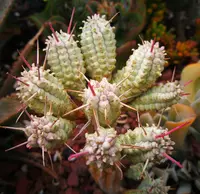
Corncob cactus, Euphorbia mammillaris, is a succulent shrub with many upright, ribbed stems that resemble small corn cobs. It stays relatively compact, which suits windowsills and indoor collections.

This species comes from arid regions of South Africa, where it grows in rocky, well-drained soils with intense sunlight. Its thick, segmented stems store water, so it tolerates short dry spells and suits owners who sometimes forget to water.

Spines along the ridges give it a classic cactus-like look, though it is actually a euphorbia. Bright light, low to moderate watering, and gritty soil are the main points to understand when learning how to care for Corncob cactus.

Main Plant Requirements

Care Difficulty

Easy Care

Light Preference

Full Sun

Water Requirements

Low Water

Temperature Preference

Tropical / Frost Sensitive

Hardiness Zone

10–11

Soil Texture

Sandy, Loamy, Rocky

Soil pH

Slightly acidic (6.5–7.0), Neutral (7.0)

Soil Drainage

Well-drained

Fertilization

Minimal (feed rarely)

Get Personalized Care Plan

Scan your plant to receive care tips personalized for your specific plant

Personalized Care in the App

Available on iOS and Android

How to Care for the Corncob cactus

This succulent prefers bright, direct light but needs gradual acclimation to strong sun to prevent damage.

  • Provide 4–6 hours of direct morning sun and bright, filtered light the rest of the day, especially in hot climates.
  • Tolerates light afternoon sun in mild regions, but in zones with intense summers, give Corncob cactus light shade from 1–4 p.m. to avoid scorching.
  • In winter, move plants to the brightest possible spot; long-term low light causes stretched, weak growth and pale stems.

This drought-tolerant species stores moisture in its stems and must dry well between waterings.

  • Water only when the top 3–5 cm of soil are completely dry; in hot growing seasons this may range from every few days to several weeks depending on climate and soil.
  • Use sharply draining, gritty soil so water runs through within seconds; prolonged soggy soil leads to yellowing stems, blackened bases, and root rot.
  • In cool autumn and winter conditions, reduce watering drastically; slight stem wrinkling signals mild thirst, while mushy or splitting stems indicate overwatering of Euphorbia mammillaris.

This species thrives in warm, dry conditions and is sensitive to frost and prolonged cold.

  • Aim for 70–85°F (21–29°C) during active growth; short spikes up to 95°F (35°C) are tolerated if soil is dry and airflow is good.
  • Protect from cold below 50°F (10°C); brief dips to 40°F (4°C) may be survived if completely dry, but any frost can scar or kill tissues.
  • In winter, keep plants cool but frost free around 55–65°F (13–18°C) to allow a rest period, then warm gradually in spring to resume active growth.

Humidity is a minor factor for this drought-adapted succulent, which thrives in typical indoor air.

  • Target 30–50% humidity, similar to most heated or air-conditioned homes, for stable growth.
  • Dry air is well tolerated, but extremely dry conditions plus heat can cause slight stem wrinkling and slower growth.
  • If air is very dry and hot, increase humidity slightly by grouping plants together rather than misting Corncob cactus directly.

This species needs a very fast-draining, gritty mix that keeps roots aerated and never waterlogged.

  • Use a cactus and succulent mix amended with extra mineral material such as pumice, coarse sand, or grit for a loose, open structure.
  • Aim for a slightly acidic to neutral pH around 6.0–7.0, which most commercial cactus mixes already provide.
  • Ensure water drains through the mix within seconds; if it lingers on the surface, add more mineral grit or perlite to increase porosity.
  • Avoid peat-heavy, compact, or water-retentive soils, which promote root rot and reduce oxygen around the fine roots of Euphorbia mammillaris.

This species is well suited to container culture due to its compact, clumping growth.

  • Choose a pot just slightly wider than the root ball to limit excess wet mix that can stay damp too long.
  • Use heavier materials like ceramic or clay for stability, since tall stems can make the plant top-heavy as it matures.
  • Select a container shape that allows some lateral spread, as offsets form small clusters that need horizontal space rather than great depth.

This succulent benefits from light, controlled feeding during its active growth period.

  • Use a balanced cactus fertilizer (diluted to 25–50% strength) or a low-dose slow-release formula suited to Euphorbia mammillaris care.
  • Feed every 4–6 weeks in spring and summer when growth is active for Corncob cactus.
  • Skip feeding in fall and winter, when growth slows, to avoid soft, weak tissue.
  • Water before applying liquid fertilizer to limit root burn in this shallow-rooted species.

This species needs minimal pruning, mainly to maintain health and safe shape.

  • Best time to prune Euphorbia mammillaris is late spring to early summer when growth is active.
  • Use clean, sharp pruning shears and wear gloves and eye protection to avoid contact with the irritating sap.
  • Remove only dead, damaged, or crossing stems to improve light penetration and airflow.
  • Lightly thinning crowded stems can control height and spread without stressing the plant.

Container-grown plants appreciate infrequent but careful repotting to refresh soil and manage root space.

  • Repot every 2–3 years, or when roots emerge from drainage holes or circle the pot and growth slows.
  • Plan repotting for late spring, using a dry, fast-draining cactus mix and a pot just 2–3 cm wider.
  • Lift the plant gently, tease roots lightly, and trim only rotten or dead roots with sterile tools.
  • Allow roots to dry for 1–2 days after repotting, then water lightly to reduce transplant stress and rot risk.

New plants are most commonly produced from stem cuttings rather than seed.

  • Take short, healthy stem cuttings in late spring or early summer, using sterile, sharp tools and protective gloves.
  • Let cut surfaces dry and callus for several days in bright, indirect light before planting.
  • Insert callused cuttings into a dry, gritty cactus mix and keep slightly warm, around 70–80°F.
  • Provide bright light and only very light watering until roots form, then gradually shift to normal care.

This succulent is frost-sensitive and needs cool, dry, above-freezing conditions in winter.

  • Keep indoor plants near a bright window at 50–60°F, with reduced watering to keep soil barely dry.
  • Move outdoor containers indoors before temperatures drop below 40°F to prevent stem damage.
  • Ensure excellent drainage; cold, wet soil greatly increases root rot risk.
  • Avoid cold drafts on windowsills, which can cause localized chilling injury on stems.

Care Tips

Rotate for symmetry

Turn the pot 90° every 2–3 weeks so the stems receive even light and grow upright rather than leaning toward one side.


Stabilize clustered stems

If stems become top-heavy, tuck a discreet ring stake or 2–3 bamboo stakes around the clump and loosely tie with soft plant tape to prevent breakage at the base.

Safe repotting practice

Wear gloves, handle the plant only by the pot or with folded newspaper around the stems, and avoid damaging roots when repotting because the milky sap is irritating to skin and the root system is shallow.

Dry winter rest

From late fall to early spring, keep the plant in the brightest, coolest indoor spot available and cut back watering sharply to support a short, firm, compact growth habit instead of soft, weak new shoots.

Prevent sap contact

Keep this plant out of reach of pets and children, and if a stem is accidentally broken, wipe off the white sap with a paper towel and discard it in the trash rather than compost, an important step in responsible Euphorbia mammillaris plant care.

Common Pests and Diseases

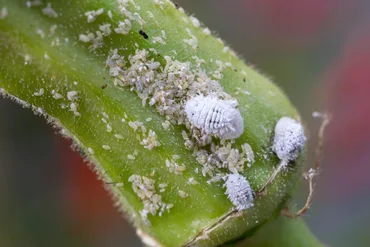
Mealybugs

This pest often hides in rib crevices and woolly areoles, sucking sap and causing yellowing and stunted segments. Symptoms include cottony white clusters along stems and at the base of new growth.

Solution

Isolate the plant, then remove visible insects with a cotton swab dipped in 70% isopropyl alcohol and gently clean along ribs and between tubercles. Improve light and airflow, and repeat spot treatments weekly; for heavy infestations, use a labeled systemic insecticide suitable for succulents and follow all product instructions.

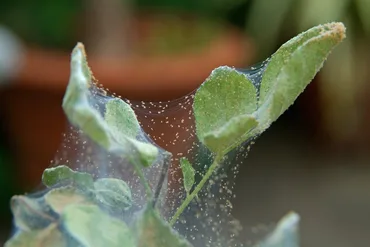
Spider mites

These insects thrive in warm, dry indoor air and feed on the green tissue between ribs, causing dull, rough-looking stems and fine webbing in crevices. Symptoms include a dusty appearance and loss of the plant’s natural sheen.

Solution

Rinse the stems thoroughly with a strong but controlled stream of lukewarm water, focusing on rib grooves and branch junctions. Increase humidity slightly around the plant without overwatering the soil, and use a miticide or insecticidal soap labeled for mites, repeating applications as directed until new growth appears clean.

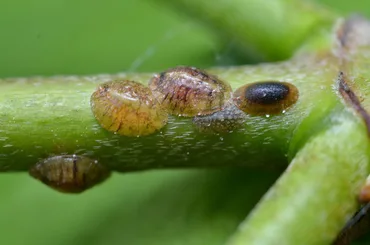
Scale insects

These insects form hard, brown or gray bumps along the stems and at branching points, where they feed on sap and excrete sticky honeydew. Symptoms include slow growth, yellow patches, and sometimes sooty mold on the stem surface.

Solution

Scrape or lift individual scales off carefully with a fingernail or soft brush, then wipe stems with a cloth slightly dampened with 70% isopropyl alcohol. Monitor closely for several weeks and, if numbers remain high, apply a systemic insecticide recommended for succulent Euphorbia species.
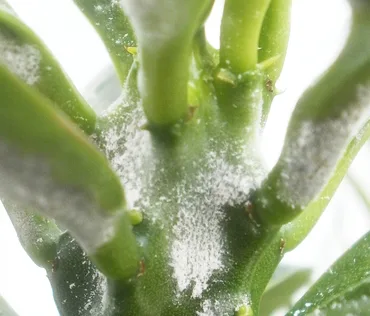
Powdery mildew

This disease can appear on stressed plants kept in stagnant air, forming patchy white to gray powdery growth on stems and rib surfaces. Symptoms include dull discoloration and weakened, thin new segments.

Solution

Improve air movement around the plant, avoid overhead watering, and ensure it receives bright light without prolonged dampness on the stems. Remove the most affected segments if practical and apply a sulfur-based or other labeled fungicide for succulents, following the schedule until no new spots form.

Stem canker

This disease causes localized sunken, corky, or dark lesions on the ribs that may expand along the column if the tissue is repeatedly wounded or kept too wet. Symptoms include shriveling or collapse above the affected area when the canker girdles the stem.

Solution

Cut out affected segments with a sterile, sharp blade, removing all discolored tissue back to firm, healthy green, and allow cuts to dry and callus in bright, indirect light. Reduce watering, avoid mechanical injury from handling or pets, and keep the plant in a well-drained gritty mix to lower the risk of reinfection while continuing Euphorbia mammillaris plant care under stable, dry conditions.

Interesting Facts

Natural clumping habit

This species forms dense, many-stemmed clumps from a branching base, creating a small mound rather than a single stem, which helps stabilize the plant on shallow, stony soils in its native South African habitat.

Seasonal color change

The stems often shift from bluish green to pinkish or reddish tones under strong light, a response linked to protective pigments that help shield the plant’s tissues from intense sun and UV exposure.

Distinctive cyathia flowers

Instead of typical petals, this species produces small cup-like structures called cyathia, which are specialized inflorescences characteristic of the genus Euphorbia and contain both male and female flowers in a single unit.

Botan icon

Did you know?

This species, like many spurges, produces a white milky latex that can cause skin and eye irritation, a chemical defense that deters many herbivores from feeding on its succulent stems.

FAQs about Corncob cactus

Lack of flowers usually comes from insufficient light, no cool dry rest in winter, or excess fertilizer. Provide bright conditions, a slightly cooler, drier winter period, and avoid heavy feeding to encourage small spring or early-summer blooms.

Grow Healthy Plants with Botan Care

Keep your plants happy and healthy with plant identification, disease detection, and easy care guidance.

Botan plant care app — identify plants on mobile

Explore More Plants