Golden Japanese Stonecrop Care (Sedum makinoi)

About Golden Japanese Stonecrop

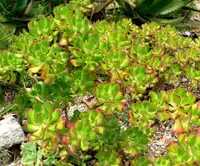
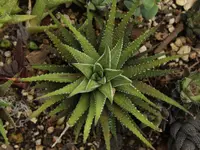
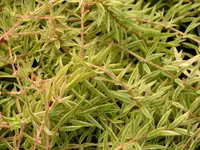
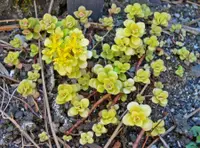
Golden Japanese stonecrop, Sedum makinoi, is a low-growing, mat-forming succulent often used as a groundcover or in containers and rock gardens. It forms dense carpets of small, rounded, fleshy leaves that range from bright green to golden tones, especially in strong light.

This species is native to parts of East Asia, where it grows in rocky, well-drained habitats. Its succulent leaves store water, which makes it fairly tolerant of short dry periods and generally easy to maintain once established.

Gardeners who want to learn how to care for Golden Japanese Stonecrop should know it prefers bright light, moderate watering, and loose, fast-draining soil to avoid root problems.

Main Plant Requirements

Care Difficulty

Easy Care

Light Preference

Partial Sun

Water Requirements

Low Water

Temperature Preference

Warm Climate

Hardiness Zone

7–9

Soil Texture

Sandy, Loamy, Rocky

Soil pH

Acidic (5.5–6.5), Slightly acidic (6.5–7.0)

Soil Drainage

Well-drained

Fertilization

Minimal (feed rarely)

Get Personalized Care Plan

Scan your plant to receive care tips personalized for your specific plant

Personalized Care in the App

Available on iOS and Android

How to Care for the Golden Japanese Stonecrop

This low-growing sedum prefers bright outdoor conditions with measured direct sun for strongest color and compact growth.

  • Provide 4–6 hours of direct morning sun with light afternoon shade; in hotter climates, avoid harsh sun after 2–3 p.m. to prevent leaf scorch on Golden Japanese Stonecrop.
  • Tolerates partial shade, but in less than 3–4 hours of sun per day stems may stretch and foliage may turn dull green.
  • In summer, watch for pale, scorched, or crispy leaves as a sign of excess sun; in winter, ensure at least bright open shade so plants do not weaken.

This species stores moisture in its leaves and prefers a lean, fast-draining soil that dries slightly between waterings.

  • Outdoors in the ground, water deeply only when the top 3–5 cm of soil is dry and foliage looks slightly less plump, then let it dry again.
  • Use sharply draining soil or a sandy, gritty mix so water runs through within seconds, reducing root-rot risk for Sedum makinoi.
  • In cool seasons reduce watering sharply; soft, yellowing, or translucent leaves suggest overwatering, while wrinkled, shriveled leaves indicate it is time to water.

This sedum handles a broad temperature range but performs best in mild, temperate conditions without extreme cold or prolonged intense heat.

  • Ideal growing temperatures are around 60–75°F (16–24°C), with steady conditions promoting dense mats and good foliage color.
  • Established plants usually tolerate brief drops to about 20°F (−6°C), but repeated freeze–thaw or exposed windy sites increase frost damage risk.
  • In hot spells above 90°F (32°C), provide afternoon shade and ensure soil does not stay wet; in winter, avoid waterlogged, frozen ground that can rot roots.

This species tolerates typical indoor humidity well and rarely needs adjustment.

  • Performs reliably in 30–50% relative humidity, matching most heated or air-conditioned homes.
  • Dry air is usually not a problem; stem or leaf shriveling is more often from underwatering than low humidity.
  • If air is extremely dry and growth stalls, place the pot away from heating vents rather than adding pebble trays or humidifiers.

Sedum makinoi prefers fast-draining, mineral-rich soil that dries quickly between waterings.

  • Use a gritty mix such as 50–60% cactus potting mix blended with coarse sand or fine gravel to sharpen drainage.
  • Ensure the texture is loose and crumbly so roots receive plenty of air and excess water cannot pool around them.
  • Aim for slightly acidic to neutral pH around 6.0–7.0, avoiding heavy lime additions unless soil is very acidic.
  • Avoid dense, peat-heavy or clay-based mixes that stay wet, which increase the risk of root and stem rot.

This creeping sedum is well suited to container growing outdoors and in bright, sheltered spots.

  • Choose a wide, shallow pot so the spreading stems can root along the surface without trapping moisture deep in the substrate.
  • Use containers with generous drainage holes and elevate them slightly so water clears quickly after rain or watering.
  • In hot, full-sun sites, prefer heavier clay or ceramic pots, which reduce tipping and slow overly rapid drying of the mix.

Sedum makinoi needs only light feeding to maintain compact, healthy growth.

  • Use a balanced, diluted liquid fertilizer (for example 10-10-10 at 1/4–1/2 strength) on well-watered soil.
  • Feed once every 4–6 weeks during the active growing season in spring and summer.
  • Stop fertilizing in fall and winter to avoid weak, stretched growth.
  • For Golden Japanese Stonecrop in the ground, a thin layer of compost in spring is usually sufficient.

Pruning Sedum makinoi is mainly cosmetic and helps keep mats dense and tidy.

  • Best time is early spring, before strong new growth, or right after flowering flushes.
  • Trim back leggy, sparse stems to encourage branching and a fuller carpet.
  • Remove dead, damaged, or crowded stems with clean, sharp scissors or snips.
  • Lightly shear large patches to maintain shape, then clear away clippings to prevent rot.

Repotting or transplanting Sedum makinoi is infrequent but helps maintain vigorous growth in containers or groundcovers.

  • Plan repotting or transplanting in spring, once frost risk has passed and growth resumes.
  • Look for roots circling the pot, water running straight through, or slowed growth as signs it needs more space.
  • Repot every 2–3 years into a shallow, wide container with free-draining succulent mix.
  • Water lightly after moving, keep in bright shade for 3–5 days, and avoid heavy feeding until new growth appears.

Sedum makinoi is commonly propagated to expand groundcover patches or refresh older plantings.

  • Best seasons are spring to early summer when growth is active and temperatures are mild.
  • Root short stem cuttings in a gritty, barely moist mix; allow cut ends to dry for a few hours before inserting.
  • Divide dense mats by lifting sections with roots attached and replanting at the same depth.
  • Seeds are slower; sow on the surface of well-draining mix, keep lightly moist, and provide bright indirect light.

Sedum makinoi is generally cold hardy and needs only modest winter care in most temperate climates.

  • In-ground plants usually tolerate light to moderate frost once established.
  • Apply a thin, dry mulch layer around but not over crowns in colder regions to buffer freeze–thaw cycles.
  • Reduce watering sharply in winter, keeping soil almost dry, especially in containers.
  • Move pots under shelter or indoors to a bright, cool spot where temperatures stay above about 25–30°F in very cold areas.

Care Tips

Edge Containment

Install shallow edging or a low stone border around beds to prevent this mat-forming plant from creeping into lawns or neighboring plantings, while still allowing stems to drape naturally over the barrier.

Stem Re-rooting

Pin down long, bare stems with small U-shaped wire pins so the nodes touch the soil, which encourages rapid re-rooting and creates a denser carpet with fewer bald patches.

Summer Heat Protection

In very hot, reflective sites such as near concrete or stone, use a layer of light-colored gravel mulch to reduce root-zone heat and leaf scorch without increasing humidity.

Container Renewal

For plants in shallow bowls or troughs, lift and divide the mat every 2–3 years, discarding old woody centers and replanting only the fresher outer sections to keep growth compact and vigorous.

Slugs And Snails Management

In damp climates, place rough gravel or crushed rock around the planting area and inspect at night or after rain, hand-removing slugs and snails before they damage the fleshy foliage when caring for Golden Japanese Stonecrop.

Common Pests and Diseases

Aphids

These insects feed on tender new growth and cause distorted, stunted shoots and sticky honeydew on leaves and stems. This pest is more common on lush, well-fertilized mats of foliage.

Solution

Rinse colonies off the foliage with a firm stream of water, then spot-treat remaining clusters with insecticidal soap or a ready-to-use neem oil spray, repeating weekly until controlled. Reduce excessive nitrogen fertilization and check the undersides of leaves regularly when growing Golden Japanese Stonecrop in dense groundcover plantings.

Mealybugs

These insects appear as small white cottony patches in leaf axils and along stems, where they suck sap and weaken the plant. Symptoms include slowed spreading, dull foliage, and sticky honeydew that can attract sooty mold.

Solution

Isolate affected containers, dab visible insects with cotton swabs dipped in isopropyl alcohol, and prune heavily infested stems. For broader infestations, apply insecticidal soap or neem oil to all plant surfaces every 7–10 days until no new mealybugs are seen, and avoid overfertilizing which encourages soft, susceptible growth.

Slugs and snails

These pests chew irregular holes in leaves and can strip low, spreading mats in damp, shaded sites. Symptoms include ragged foliage and slime trails on soil, pots, or nearby hard surfaces.

Solution

Hand-pick slugs and snails in the evening, use iron phosphate slug pellets according to label directions, and remove sheltering debris such as boards or dense mulch around plantings. Improve drainage and light exposure where possible, since drier, brighter sites are much less favorable to these pests.

Fungal leaf spot

This disease causes small brown to black spots on leaves, sometimes with yellow halos, which can lead to premature leaf drop in crowded or poorly ventilated plantings. Symptoms include patchy thinning in the mat where affected leaves die back.

Solution

Remove and discard heavily spotted leaves and any fallen debris, then thin or divide overly dense clumps to improve airflow. If conditions remain humid, apply a labeled broad-spectrum fungicide to dry foliage and water at soil level in the morning so leaves dry quickly.

Powdery mildew

This disease creates a white to gray powdery coating on leaves and stems, leading to reduced vigor and sometimes leaf distortion, especially in shaded or poorly ventilated spots. Symptoms include a dull, faded look to the foliage canopy.

Solution

Increase sun exposure and airflow by repositioning containers or thinning neighboring plants, and water at the base instead of overhead. Remove heavily affected stems and, if necessary, treat remaining foliage with a sulfur or potassium bicarbonate-based fungicide, applying according to label directions until new growth emerges clean.

Interesting Facts

Naturally moss-like mat

This species forms an unusually dense, low, moss-like carpet with very small, rounded leaves closely packed along thin stems, which allows it to cover rock crevices and shallow soil more effectively than many other sedums.

East Asian streambank origin

It is naturally distributed in parts of Japan and eastern Asia where it often grows on humid, rocky banks and open forest edges, so it tolerates more moisture and light shade than typical drought-adapted stonecrops.

Color-shifting foliage

The foliage can shift from bright green to yellowish or slightly bronzed tones under higher light and cooler temperatures, a response linked to protective pigments in the leaves that help limit light stress.

FAQs about Golden Japanese Stonecrop

This species forms a low, mat-like ground cover but is not usually aggressive. It spreads gradually by creeping stems, filling gaps between stones or in borders. Simple edging or occasional trimming keeps it within the desired area.

Grow Healthy Plants with Botan Care

Keep your plants happy and healthy with plant identification, disease detection, and easy care guidance.

Botan plant care app — identify plants on mobile

Explore More Plants