Star Cactus Care (Astrophytum asterias)

Also known as: Star Cactus, sanddollar, Sea Urchin Cactus, Star Peyote, Seaurchin Starcactus

About Star Cactus

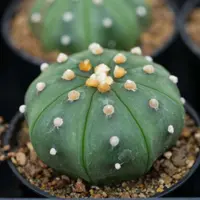
Star cactus, Astrophytum asterias, is a small, spineless cactus with a flat, round body divided into distinct ribs and dotted with white flecks. It stays compact, so it suits windowsills and small indoor displays.

This species is native to dry regions of Texas and northeastern Mexico, where it grows in sandy, well-drained soils with intense sun. Its slow growth and sensitivity to overwatering make it slightly more demanding than common succulents, but still manageable with attention.

In cultivation, it prefers bright light, a gritty cactus mix, and careful watering that allows the roots to dry between drinks. Once its basic needs are understood, it becomes easier to care for Star Cactus.

Main Plant Requirements

Care Difficulty

Moderate Care

Light Preference

Full Sun

Water Requirements

Low Water

Temperature Preference

Tropical / Frost Sensitive

Hardiness Zone

9–11

Soil Texture

Sandy, Rocky, Loamy

Soil pH

Slightly acidic (6.5–7.0), Neutral (7.0)

Soil Drainage

Well-drained

Fertilization

Minimal (feed rarely)

Get Personalized Care Plan

Scan your plant to receive care tips personalized for your specific plant

Personalized Care in the App

Available on iOS and Android

How to Care for the Star Cactus

This cactus prefers bright, indirect light with some direct sun but needs protection from harsh midday exposure.

  • Provide 4–6 hours of gentle morning sun or late-afternoon sun, plus bright, filtered light for the rest of the day.
  • Tolerates very light partial shade, but prolonged low light causes Astrophytum asterias to elongate, lose its flat shape, and fade in color.
  • In hot summers, shield from intense midday sun to prevent bleaching and corky sunburn; in winter, move to the brightest possible spot.

Watering should be infrequent and carefully controlled to prevent root rot in this desert-adapted cactus.

  • Allow the soil to dry completely, at least the top 3–5 cm, before watering; then soak thoroughly and let excess drain away.
  • During active growth in spring and summer, expect watering roughly every 2–4 weeks, guided by soil dryness, not by the calendar.
  • In fall and winter, water sparingly or not at all; soft, yellowing tissue suggests overwatering, while deep wrinkling signals prolonged dryness.

Stable warm conditions with good airflow support healthy growth and flowering for this species.

  • Aim for 70–85°F (21–29°C) during active growth, as this range promotes steady metabolism without stressing the plant.
  • Short exposures down to about 40°F (4°C) are usually tolerated if kept dry, but frost below 32°F (0°C) can permanently damage tissue.
  • In hot spells above 95°F (35°C), provide light shade and avoid wet soil at night to reduce heat stress and potential root problems.

Humidity is rarely a concern for this desert cactus in typical indoor conditions.

This species needs a very fast-draining, mineral-rich substrate that dries quickly after watering.

  • Use a sandy, gritty mix made from 50–70% inorganic material such as pumice, coarse perlite, or grit, with the rest a lean cactus potting mix.
  • Aim for slightly acidic to neutral pH around 6.0–7.0, avoiding peat-heavy blends that stay wet for long periods.
  • Create strong drainage by using large particle sizes (2–5 mm) and keeping organic matter low to prevent compaction and root rot.
  • Avoid dense, loamy or clay-based mixes, and do not use water-retentive additives such as vermiculite for Astrophytum asterias care.

This cactus is very suitable for container growing due to its compact, shallow root system.

  • Choose a wide, shallow pot that matches the shallow roots, which helps the mix dry evenly and reduces the risk of rot.
  • Prefer unglazed terracotta over plastic if the environment is cool or humid, since it allows faster evaporation from the root zone.
  • Top-dress the soil surface with coarse grit to keep the base of the plant dry and to reduce splashing soil onto the stem when watering.

This cactus benefits from light, controlled feeding during its active season.

  • Use a low-nitrogen, balanced cactus fertilizer (diluted to 25–50% strength) rather than compost for Astrophytum asterias care instructions.
  • Feed every 4–6 weeks in spring and summer when growth is visible.
  • Do not apply fertilizer to dry soil; water lightly first, then feed to avoid root burn.
  • Stop feeding in fall and winter when growth slows, as the plant rests.

Astrophytum asterias generally does not need structural pruning, only minimal sanitation.

  • Perform any pruning in spring or early summer when the plant is actively growing.
  • Remove only dead, rotting, or scarred tissue using a sterile, sharp blade.
  • Trim spent or collapsed flowers at the base if they start to rot, to prevent fungal issues.
  • Avoid cutting healthy stem tissue, since this species does not branch and wounds scar permanently.

This small cactus prefers infrequent repotting and a stable root environment.

  • Repot every 3–4 years in late spring if roots circle the pot, emerge from drainage holes, or growth slows.
  • Use a shallow container with a very fast-draining cactus mix and a large drainage hole.
  • Gently loosen the root ball, remove old compacted soil, and handle the body with soft tongs or folded paper.
  • After repotting, keep roots dry for 5–7 days, then water lightly to reduce stress and encourage recovery.

Propagation of Astrophytum asterias is usually done from seed rather than cuttings.

  • Sow fresh seeds in late spring under bright, indirect light and warm conditions around 72–80°F.
  • Use a sterile, very gritty mix; lightly press seeds into the surface and keep just barely covered.
  • Maintain even, slight moisture and high humidity with a vented cover until germination starts.
  • Once seedlings appear, increase ventilation gradually and provide strong, filtered light to prevent etiolation.

This cactus is frost sensitive and needs a cool, dry, but not freezing winter rest.

  • Keep indoor or greenhouse temperatures around 45–55°F and above freezing at all times.
  • Ensure soil stays almost completely dry; water only enough to prevent severe shriveling.
  • For container plants, move pots away from cold windows and drafts to avoid chilling damage.
  • Provide as much light as possible indoors to maintain plant health during dormancy.

Care Tips

Rotate For Symmetry

Turn the pot 90° every 2–3 weeks during active growth so the plant receives even light from all sides and maintains a flat, symmetrical disc shape instead of leaning toward the brightest window.

Use Top Dressing

Apply a 0.5–1 cm layer of inert grit, such as pumice or coarse sand, on the soil surface to keep the crown dry, reduce fungus gnat breeding, and make it easier to spot early signs of rot around the base.

Protect Woolly Areoles

When watering or using any foliar spray, avoid wetting the white woolly areoles because moisture trapped there can promote fungal spots; direct water only onto the substrate at the pot edge.

Controlled Cold Rest

Provide a cool, dry rest period around 45–55°F in winter with almost no water to encourage stronger spring growth and more reliable flowering, as long as the soil is completely dry before cooling.

Gentle Repot Handling

During repotting, lift the plant by gently cupping the body with soft, folded paper or foam instead of gripping the crown, which helps protect the shallow roots and delicate ribs when caring for Star Cactus.

Common Pests and Diseases

Red spider mites

This pest thrives in hot, dry conditions and can cause pale, rough, sandblasted-looking spots on the ribs of the cactus. Fine webbing may appear around the areoles and the plant may lose its natural patterning over time.

Solution

Rinse the plant gently with a strong but controlled stream of water and increase humidity slightly around, but not directly on, the cactus to make conditions less favorable. For persistent infestations, use a dilute neem oil or insecticidal soap spray applied carefully to the epidermis, keeping the soil mostly dry, and repeat every 7–10 days until no new damage appears.

Root mealybugs

These insects live hidden in the soil and on roots, leaving cottony white masses and causing plants to stop growing, wrinkle, or collapse despite seemingly adequate watering. Symptoms include poor root development and yellowing or shrinking of the stem.

Solution

Unpot the cactus, remove all old soil, and wash the roots gently under lukewarm water, then prune badly damaged roots. Treat the root zone with a systemic insecticide labeled for mealybugs or dip the roots briefly in a diluted insecticidal soap solution, allow to dry, then repot in fresh, sterile, very well-draining mix and keep slightly on the dry side for 1–2 weeks.

Woolly mealybugs

This pest gathers around areoles and ribs, forming white, cotton-like clumps that suck plant sap and can stunt growth. Honeydew excretions may encourage sooty mold on the cactus surface.

Solution

Remove visible mealybugs manually with cotton swabs dipped in isopropyl alcohol, then wipe affected areas to break up the protective wax. Follow with targeted applications of insecticidal soap or neem oil at 7–10 day intervals, ensuring good air movement and avoiding prolonged wetness on the plant body.

Fusarium stem rot

This disease enters through wounds or stressed tissue and causes sunken, discolored patches that turn brown to black and may spread internally, leading to collapse of the cactus body. Symptoms include rapid softening from the base or along a rib with a brown or reddish interior when cut.

Solution

At the earliest signs, isolate the plant, keep it completely dry, and cut out affected tissue back into firm, healthy flesh with a sterile knife, allowing the wound to dry and callus in bright, airy shade. Discard severely affected plants and always use clean, well-draining mineral substrates and disinfected pots and tools to prevent new infections.

Bacterial soft rot

This disease causes sudden soft, watery, and often foul-smelling areas on the cactus body, sometimes starting at a small injury or water-sitting point on the crown. Symptoms include rapid tissue collapse and a translucent, mushy appearance of the affected zone.

Solution

Isolate the plant immediately, remove and discard all soft tissue with a sterile blade, and dust the remaining healthy surface lightly with sulfur or a copper-based product, then let it dry in warm, bright shade for several days. Improve future prevention by avoiding overhead watering, protecting the plant from physical damage, and ensuring fast drainage and strong airflow as part of Astrophytum asterias care instructions.

Interesting Facts

Spineless cactus mimic

This species naturally lacks the long, stiff spines typical of many cacti and instead has tiny, felted areoles that give it a starry, patterned look, an adaptation that likely reduces water loss while still reflecting intense sunlight.

Cryptic desert lifestyle

In habitat, mature plants often sit partially sunken into the sandy or gravelly soil, so only the flat, star-shaped top is visible, which helps protect them from herbivores and extreme temperature swings.

Extremely restricted wild range

In nature this species is native only to small, scattered populations in the lower Rio Grande Valley region of Texas and northeastern Mexico, and habitat loss plus illegal collecting have made it one of the more conservation-sensitive North American cacti.

Botan icon

Did you know?

The striking white speckles on the stem are specialized clusters of hairs embedded in the epidermis that act as tiny reflective shields, bouncing back a portion of the intense sunlight and helping the plant maintain lower tissue temperatures in its exposed desert environment.

FAQs about Star Cactus

Lack of flowering usually comes from insufficient light, weak seasonal temperature changes, or a plant that is still immature. Poor nutrition or frequent repotting can also reduce bud formation. Stable conditions over several seasons often restore blooming.

Grow Healthy Plants with Botan Care

Keep your plants happy and healthy with plant identification, disease detection, and easy care guidance.

Botan plant care app — identify plants on mobile

Explore More Plants