


Encourage Compact Growth
Rotate the pot 90° every 1–2 weeks outside of bud stage so light reaches all sides evenly, which keeps segments shorter, stronger, and prevents the plant from becoming lopsided or floppy.

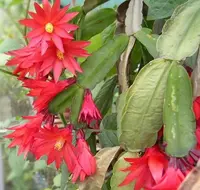
Easter cactus, Rhipsalidopsis gaertneri, is an epiphytic cactus from cloud forests of Brazil, where it grows on trees and rocks in cool, shaded habitats. It is a compact plant with flat, jointed stem segments and star-shaped flowers in spring, usually in shades of red, pink, or white. Unlike desert cacti, it prefers moderate light, regular moisture, and a loose, airy potting mix. Its need for a cool, slightly drier rest period before flowering means it is moderately easy but not completely fuss-free. Learning how to care for Easter Cactus helps keep its growth balanced and flowering reliable indoors.

Care Difficulty
Moderate Care

Light Preference
Bright Indirect Light

Water Requirements
Moderate Water

Temperature Preference
Tropical / Frost Sensitive

Hardiness Zone
11–12

Soil Texture
Loamy, Peaty, Organic-rich

Soil pH
Acidic (5.5–6.5), Slightly acidic (6.5–7.0)

Soil Drainage
Moist but well-drained

Fertilization
Light (every 4–6 weeks)
Scan your plant to receive care tips personalized for your specific plant
Available on iOS and Android
This epiphytic cactus prefers bright, indirect light that mimics dappled woodland conditions.
Watering for this cactus should balance steady moisture with strong drainage to protect its fine roots.
This species prefers mild, stable temperatures similar to cool, bright indoor conditions.
This forest cactus prefers moderate room humidity and reacts if air is very dry.
Use a loose, airy mix that combines organic matter with coarse particles for fast drainage.
This species adapts very well to container growing for most home environments.
Rhipsalidopsis gaertneri benefits from light, balanced feeding during active growth to support flowering without stressing its roots.
Rhipsalidopsis gaertneri responds well to light pruning that maintains a compact, branching form after flowering.
This cactus prefers slightly root-bound conditions and only needs infrequent repotting into a fresh, free-draining mix.
Rhipsalidopsis gaertneri is most commonly propagated from short stem segment cuttings taken during the warm growing season.
This species is not frost hardy and needs cool, frost-free indoor conditions during winter dormancy.

Plant Health Check
Not sure what's wrong with your plant? Check your plant's health inside the app.
This species is native to humid cloud forests in southeastern Brazil, where it often grows as an epiphyte on tree branches rather than in soil, anchored in moss and leaf litter.
Flowering is triggered by short-day photoperiods and cooler night temperatures, so in nature it typically blooms around late winter to spring when nights are longer and slightly cooler.
Its flowers are radially symmetrical with a distinct star-like outline, reflecting its former placement in the genus Hatiora and helping distinguish it from the more tubular flowers of Christmas and Thanksgiving cacti.

This species has undergone repeated taxonomic reclassification and is still the subject of debate, having been placed in several genera (including Hatiora and Schlumbergera) as botanists refine its position within the cactus family based on both flower morphology and modern DNA studies.
Lack of blooms usually comes from too much light at night, warm winter temperatures, or no short rest period. Provide cooler nights in winter, slightly drier soil, and several weeks of long, uninterrupted dark nights to set buds.
Keep your plants happy and healthy with plant identification, disease detection, and easy care guidance.

 POPULAR
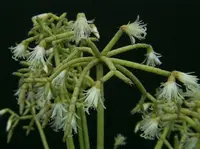
Rice cactus
Rhipsalis cereuscula

Krimson Queen Hoya
Hoya carnosa 'Tricolor'
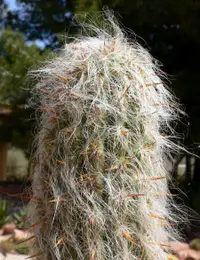
Old Man of the Andes
Oreocereus celsianus
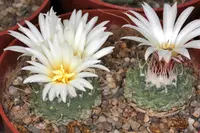
Cactus
Strombocactus disciformis

Cereus fernambucensis
Cereus fernambucensis
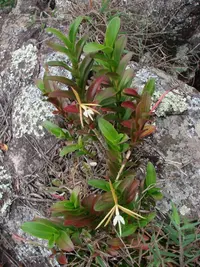
night scented orchid
Epidendrum nocturnum
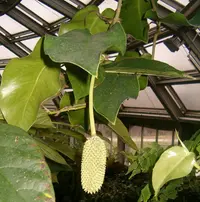
Monstera tuberculata
Monstera tuberculata
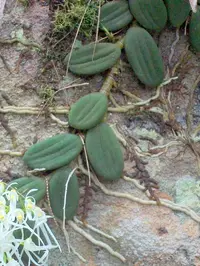
tongue orchid
Dendrobium linguiforme